


Ceiling Cassette vs Wall-Mounted Mini Splits: Which One Fits Your Space Best?
You want efficient heating and cooling — but you also want a space that feels intentional. The real difference between ceiling cassette and wall-mounted mini splits isn’t “better vs worse”… it’s about layout, airflow feel, and visual footprint.
📌 Table of Contents
Jump to the section you care about — then keep reading without a big “fixed” block taking space.
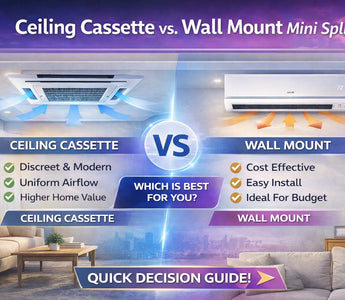
Pick Wall-Mounted for the best value, fast installation, and direct airflow control (bedrooms, offices, studios, quick upgrades). Pick Ceiling Cassette for a built-in look, free walls, and smoother room-wide comfort (living rooms, open layouts, retail, modern renovations).
1) The Real Difference: Visual Footprint + Airflow Style

Wall-mounted and ceiling cassette mini splits both deliver efficient heating and cooling using inverter technology. The choice comes down to how you want the system to fit into your room.
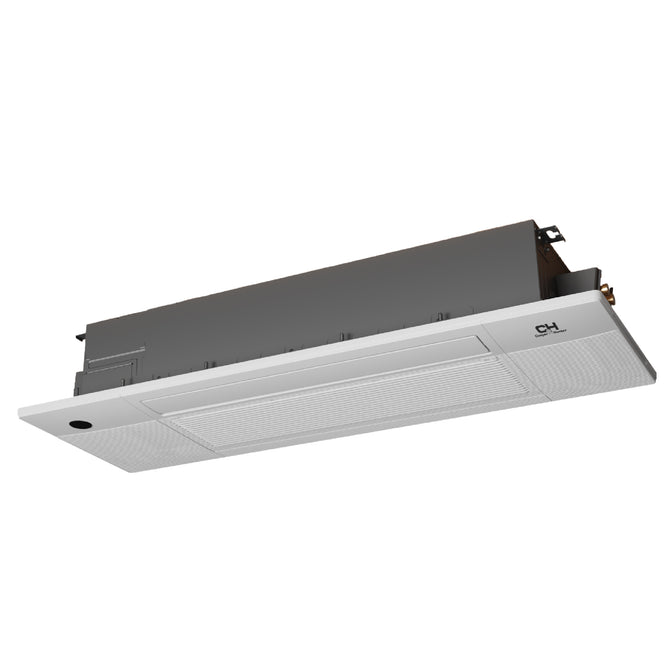
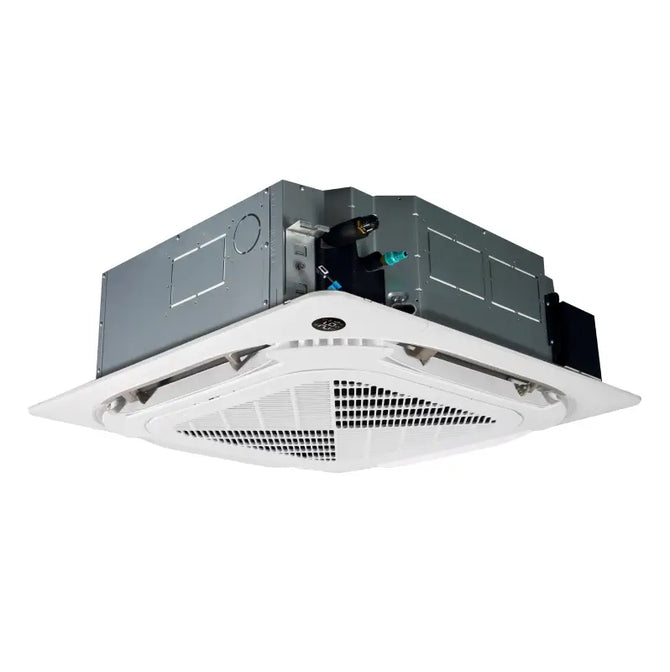
Want minimal visual impact + open walls? Choose a ceiling cassette.
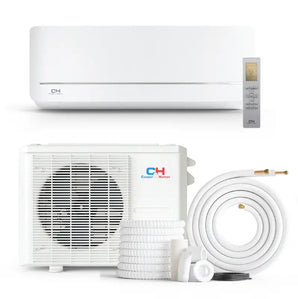
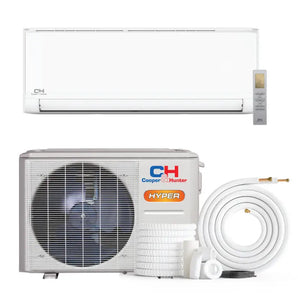
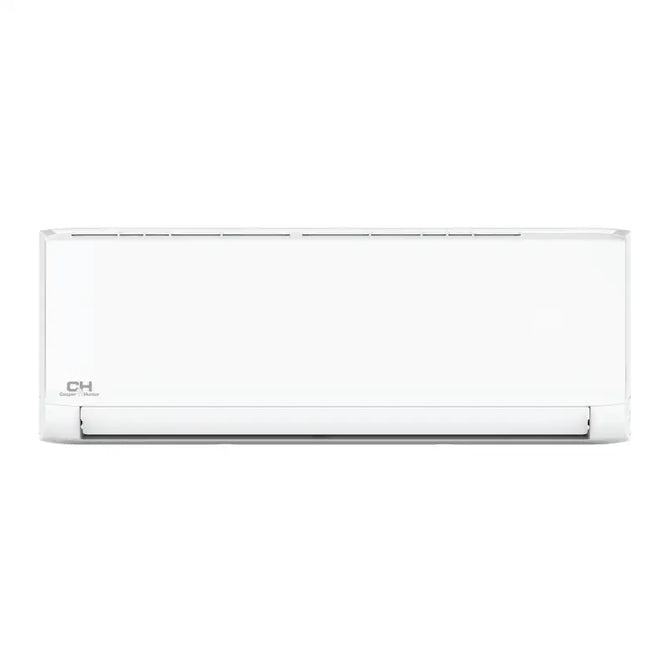
- Wall-Mounted: clean and popular option, ideal for targeted comfort zones.
- Ceiling Cassette: integrated look, keeps walls available for décor, furniture, shelving, or signage.
2) Comfort & Airflow Feel: “Direct Breeze” vs “Room Blend”

With modern systems, comfort is not about “loud vs quiet” — it’s about how airflow feels in daily life. Wall-mounted units deliver a more direct stream, while ceiling cassettes help blend comfort across the room.
Noise Reality (2026 Models)
In real-world rooms, both styles are designed to be low-noise. Most “comfort problems” come from sizing and placement, not the unit type.
3) Best Spaces for Each System (Home + Commercial)
This is where the decision becomes simple. Match the system style to the room’s purpose and layout.
Fast install, best value, and direct airflow control — perfect for bedrooms, home offices, and compact comfort zones.
Helps spread comfort more evenly across wide areas while keeping walls open for design and furniture placement.
Wall-mounted for speed + value. Ceiling cassette for a premium finish in client-facing spaces and modern interiors.
4) Modern Install Reality: What Actually Matters
In today’s market, ceiling cassette installs are not “complicated” — they’re simply a different design choice. The goal is clean placement and a layout that supports comfort and aesthetics.
- Placement planning: center the cassette for balanced airflow across the room.
- Clean routing: line routing should stay neat (minimal visual clutter).
- Reliable drainage: keep the drain path short and dependable (many cassettes include a built-in pump).
5) Maintenance & Ownership: Easy Wins for Long-Term Comfort
Both styles are easy to maintain with correct installation. The best choice is the one that fits your routine and makes filter cleaning simple.
Filters are easy to reach and clean. Great for homeowners who want simple routine care.
Access is through the panel. Still straightforward — best paired with reachable placement in the room.
6) Cost & Long-Term Value: The “Finished Result” Matters
Ceiling cassette systems used to be seen mainly in high-end interiors, but today they’re common in modern homes and commercial spaces. While cassettes can cost more upfront, the value often shows up in layout flexibility, cleaner aesthetics, and room-wide comfort.
| Feature | Wall-Mounted Unit | Ceiling Cassette |
|---|---|---|
| Budget Level | Best-value option for most installs | Typically higher upfront investment |
| Visual Footprint | Visible indoor unit on the wall | Flush, built-in look with minimal visual impact |
| Airflow Feel | Direct airflow (great for targeted comfort) | More evenly blended comfort (great for open spaces) |
| Best For Spaces | Bedrooms Home offices Studios Garages / workshops Quick upgrades & remodels Budget-focused projects |
Living rooms Open-plan spaces Modern apartments / lofts Retail floors & showrooms Offices & client-facing areas Design-first renovations |
| Service & Access | Easy front access for filters & cleaning | Access via ceiling panel (simple with smart placement) |
| Overall Design Value | Practical, clean, and widely used | Premium look that supports architectural interiors |
Ready to Choose Your Best Fit?
Whether you want the best-value wall mount or the clean built-in look of a ceiling cassette, MiniSplitsForLess.com has modern options built for U.S. homes and businesses.
Frequently Asked Questions
What is the difference between a ceiling cassette and a wall-mounted mini split?
Both deliver efficient heating and cooling. The main difference is appearance and airflow style. Wall-mounted units provide direct, targeted comfort, while ceiling cassettes offer a built-in look and typically spread air more evenly across the room.
When should I choose a wall-mounted mini split over a ceiling cassette?
Choose wall-mounted when you want the best value, fast installation, and straightforward comfort control. It’s ideal for bedrooms, home offices, studios, small shops, garages, and budget-friendly upgrades.
What are the requirements for installing a ceiling cassette?
A ceiling cassette needs suitable ceiling cavity depth, a clean placement point for balanced airflow, and a reliable routing plan for lines and condensate drainage. Modern cassette designs fit many residential and light-commercial layouts.
Which mini split system is better for rental properties?
Both can be a great choice depending on priorities. Wall-mounted units are popular for value and easy service access, while ceiling cassettes are often chosen for premium finishes and open-wall designs in modern interiors.
Are ceiling cassettes good for open-plan living rooms?
Yes. Ceiling cassettes are often chosen for open layouts because airflow can blend across a wider space, helping comfort feel more even across the room.
What matters most for comfort: the unit type or correct sizing?
Correct sizing (BTU) and smart placement usually matter more than the unit style. A properly sized wall-mounted or ceiling cassette mini split can feel excellent and stay efficient.