



Healthy AC Hacks to Prevent Summer Sickness
Discover thermostat sweet-spots, humidity fixes, and maintenance routines that beat ‘air-conditioner sickness’ while cutting energy bills across the United States.
Set your AC to 78 °F, aim vents away from people, clean filters monthly, and keep humidity at 40–60 %. These tweaks crush ‘air-conditioner sickness’ and lower cooling costs by up to 10 %.
Key Takeaways
Better ventilation and moderate cooling curb summer virus spread indoors.
Stick to 75–78 °F for daytime comfort and savings.
Keep the indoor/outdoor gap ≤ 20 °F for healthier airways and lower bills.
Maintain 40–60 % RH to protect mucous membranes and reduce virus viability.
Rinse or replace AC filters every month for peak airflow and cleaner air.
1. Why Can Air Conditioning Make You Sick?
Dropping indoor air below 70 °F after stepping in from 95 °F heat forces your body into a thermoregulatory micro-shock. Cap the drop to ≤ 20 °F to stay safe.
Cold jets aimed at your neck, back, or face can trigger localized vasospasm and muscle stiffness. Angle louvers upward or sideways to avoid drafts.
Clogged filters load the air with dust, pollen, and bacteria. Replace/clean filters every 30–60 days.
AC coils wring moisture from the air; if relative humidity slips below 40 %, respiratory mucosa cracks.
Recirculating the same cooled air without fresh intake raises contaminant load.
2. Ideal Temperature & Timer Settings
| Scenario | °F | °C | Timer/Mode | Notes |
|---|---|---|---|---|
| Occupied daytime (desk work) | 75–78 | 24–26 | Auto / Cool | Supplement with ceiling fan for perceived –4 °F. |
| Active households / gyms | 73–75 | 23–24 | Auto / Cool | Higher metabolism allows a warmer set-point. |
| Sleep mode | 72–75 | 22–24 | “Sleep” (+1 °F/hr) | Helps circadian temp drop without drafts. |
| Away ≥ 4 hrs | 80–82 | 27–28 | Eco setback | Smart thermostat auto-recovers before return. |
| Pets alone | 78–80 | 26–27 | Auto | Most pets tolerate up to 80 °F with water access. |
3. Smart Vent Placement & Draft-Proofing
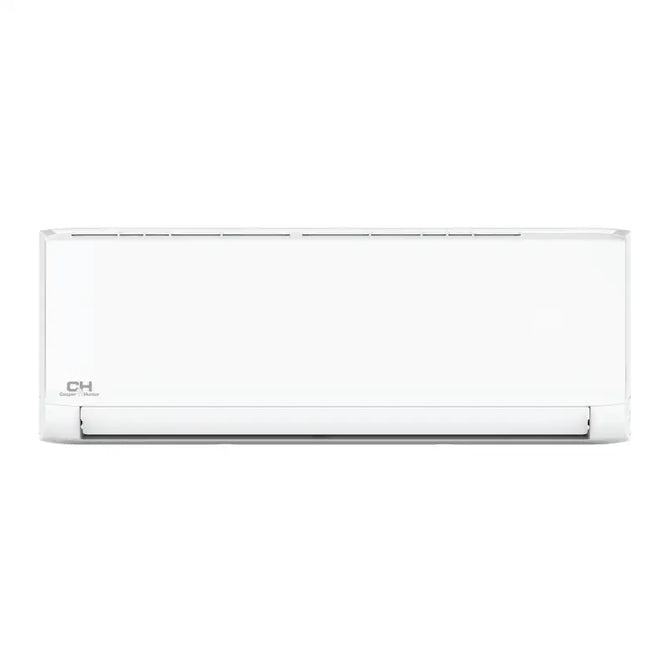
Best wall-unit spots: upper third of a wall, opposite or adjacent to windows. Avoid aiming directly at beds, couches, or cubicles.
- Angle louvers 15–30° upward so cool air travels across the ceiling, mixes, then descends evenly.
- Use deflectors on fixed vents to redirect flow from desks.
- Mind furniture: keep bookshelves and tall cabinets at least 3 ft from supply vents to prevent short-cycling.
4. Filter Cleaning & Deep Maintenance
- Switch system off and pop the old filter.
- Check MERV rating; MERV-13 blocks most respiratory aerosols.
- For reusable screens, vacuum with a brush, then rinse and air-dry fully.
- Mark change dates on a calendar or smart-home app reminder.
5. Humidity Hacks & DIY Solutions
- Run a cool-mist or evaporative humidifier on low overnight.
- Place houseplants (peace lilies, Boston ferns) near returns—they exhale moisture.
- Wet-towel hack: drape a damp terry towel over a chair or drying rack; it releases ~0.3 pt/hr.
- Seal window & door gaps so conditioned air dehumidifies inside, not outside.
6. Smart Controls, Sensors & Future-Proofing
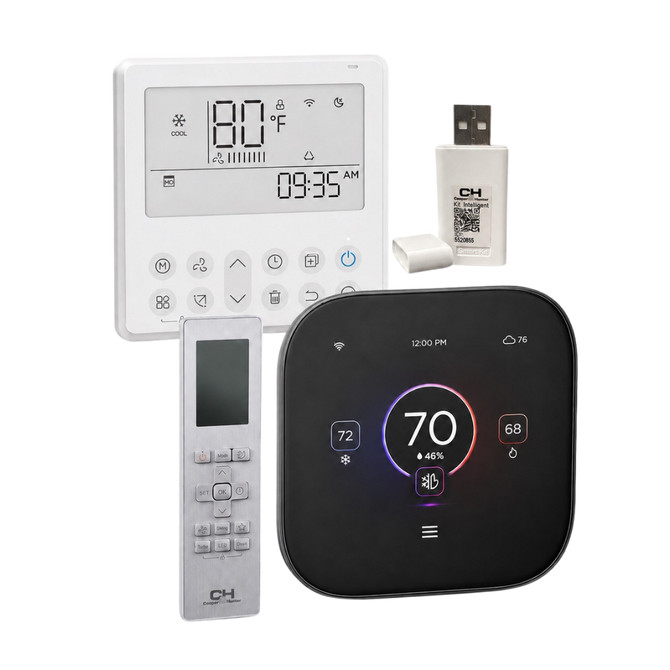
Wi-Fi thermostats with occupancy and humidity sensors learn your patterns, trimming 8–10 % off annual cooling costs. Pair them with MERV-13 filters and CO₂ sensors (<800 ppm target) for a holistic indoor-air dashboard.
- Geo-fencing: Auto-setbacks the moment everyone leaves.
- Seasonal scheduling: raises set-point 2 °F on milder days.
- Filter reminders: built-in counters trigger push notifications after 250 hours of fan run-time.
7. Year-Round Maintenance Calendar
- Professional coil cleaning & refrigerant check
- Test condensate drain pan
- Replace batteries in thermostat
- Inspect filter monthly
- Vacuum indoor vents & ceiling diffusers
- Keep condenser 2 ft clear of foliage
- Hose down outdoor coil after leaf drop
- Schedule duct-sealing audit
- Run ceiling fans clockwise on low to recirculate warm air
Frequently Asked Questions
Can air conditioning make you sick in the summer?
Extreme cold, dirty filters, low humidity, drafts, and poor ventilation can irritate airways and aid virus spread, but proper settings and maintenance eliminate most risks.
What temperature should I set my AC to avoid a cold?
Stick to 75–78 °F by day, 72–75 °F at night, and limit the indoor/outdoor gap to 20 °F.
How often should AC filters be cleaned to stay healthy?
Check filters monthly; clean or replace every 30–60 days during heavy cooling.
Does sleeping with the AC on cause sore throat?
It can if cold air hits you or RH dips below 40 %. Use “Sleep” mode, redirect vents, and add a humidifier.
Ready to Stay Healthy This Summer?
Follow these simple AC tweaks to slash ‘air-conditioner sickness’ risk and enjoy crisp, comfortable air all season long.
Explore Key Takeaways