




2026 Mini Split Installation Cost at a Glance
- In 2026, most mini split installs land between $3,000–$7,000 for single-zone and $8,000–$25,000+ for multi-zone or whole-home systems.
- Brands, SEER2 efficiency, refrigerant type, electrical upgrades, and line-set routing drive big price swings.
- Thoughtful system design and simple line-set routes can often save $1,000–$3,000 in labor and materials.
- 2025 federal 25C credits may end, yet state and utility rebates can still save $500–$5,000 in 2026.
How much does mini split installation cost in 2026 for a typical U.S. home?
In 2026, most U.S. homeowners pay about $3,000–$7,000 for a simple mini split and $8,000–$25,000+ for whole-home, multi-zone systems, depending on zones, brand, efficiency, and electrical or structural work.
Mini Split Installation Cost by Square Footage and BTU
The cost to install a ductless mini split AC system depends heavily on how many square feet each indoor unit serves and how many BTUs you need for your climate. Rules of thumb are helpful, but a proper Manual J or equivalent load calculation is always the best practice.
| Square Footage (per zone) | BTU Needed (approx.) | Typical Installed Cost (2026) | Typical Use Case |
|---|---|---|---|
| 150–250 sq. ft. | 6,000 BTU (0.5 ton) | $2,800–$3,800 | Small bedroom, office, or sunroom |
| 300–400 sq. ft. | 9,000 BTU (0.75 ton) | $3,200–$4,500 | Kitchen, larger home office, studio apartment |
| 450–550 sq. ft. | 12,000 BTU (1 ton) | $3,800–$5,300 | Primary bedroom or compact living room |
| 600–1,000 sq. ft. | 18,000 BTU (1.5 ton) | $4,800–$6,800 | Garage, bonus room, or medium living room |
| 1,200–1,600 sq. ft. | 24,000 BTU (2 ton) | $6,200–$8,500 | Large open-plan living and dining space |
| 1,600–1,900 sq. ft. | 30,000 BTU (2.5 ton) | $7,500–$9,800 | Expanded main floor or large apartment |
| 1,900–2,500 sq. ft. | 36,000 BTU (3 ton) | $8,500–$11,500 | Smaller whole-home or big open concept |
| 2,500–3,000 sq. ft. | 42,000 BTU (3.5 ton) | $10,000–$14,000 | Larger single-family homes |
| 3,000–3,500 sq. ft. | 48,000 BTU (4 ton) | $12,000–$15,500 | Spacious homes with open layouts |
| 3,500–4,000 sq. ft. | 60,000 BTU (5 ton) | $15,000–$19,000 | Large or luxury homes, whole-home coverage |
Small spaces (150–400 sq. ft.)
Kitchens, small offices, and studios typically use 6,000–9,000 BTU systems and fall at the lower end of the cost range, especially with value brands.
Larger rooms (450–1,000 sq. ft.)
Primary bedrooms, garages, and living rooms usually need 12,000–18,000 BTU. Cold-climate models push costs toward the top of each band.

Cost to Install Mini Split by Number of Zones
When you see “2-zone” or “3-zone” on a ductless mini split, it describes how many indoor units connect to a single outdoor condenser. More zones mean more line-sets, drains, wiring, and a higher overall mini split cost per zone.
| Number of Zones | BTU Range (approx.) | Estimated Installation Cost (2026) | Typical Application |
|---|---|---|---|
| Single-zone mini split | 6,000–18,000 BTU | $3,000–$7,000 | One room, garage, or small addition |
| Dual-zone mini split | 12,000–24,000 BTU | $6,000–$12,000 | Two bedrooms or bedroom + living room |
| Three-zone mini split | 18,000–36,000 BTU | $8,000–$18,000 | Small home, apartment, or main living areas |
| Four-zone mini split | 24,000–42,000 BTU | $12,000–$22,000 | Whole-home systems in average U.S. homes |
| Five-zone+ mini split | 30,000–60,000 BTU | $15,000–$25,000+ | Large homes or complex layouts |
How much does it cost to install a single-zone mini split in 2026?
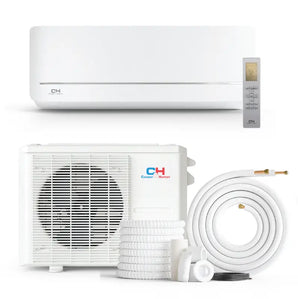
A professionally installed single-zone mini split in 2026 usually costs $3,000–$7,000 total, with budget brands like Cooper & Hunter, Olmo, or Bravo often landing toward the lower end in typical, low-complexity installs.
How much does it cost to install a 2-zone or 3-zone mini split system?
Most 2- or 3-zone mini split systems cost $8,000–$18,000 installed in 2026, with prices rising for higher SEER2 efficiency, longer line-sets, difficult routing, cold-climate models, and electrical upgrades or panel work.
When single-zone makes sense
Great for a garage, bonus room, or new addition where you only need comfort in one space and want a lower mini split installation cost 2026.
When multi-zone is better
Ideal for main living areas or whole homes where several rooms need separate temperature control from one outdoor unit.

What to Consider Before You Buy in 2026
- Confirm your home’s heating and cooling loads with a proper Manual J or equivalent, not just square footage.
- Decide if you’re conditioning one room, an addition, or your entire home with multiple zones.
- Choose SEER2 and HSPF2 levels that balance upfront cost with long-term energy savings for your climate.
- Ask how A2L refrigerants and 2026 EPA rules affect your equipment options and mini split installation cost.
- Check your electrical panel capacity and distance to your planned outdoor unit location.
- Compare quotes from at least two licensed contractors, itemized for equipment, labor, permits, and extras.
- Decide whether you want premium brands or value brands like Cooper & Hunter, Olmo, or Bravo.
Other Mini Split Installation Costs in 2026
Beyond the equipment and number of zones, several line items can significantly impact your final ductless mini split cost to install AC in 2026.
Labor and crew time
Labor is often the largest part of the bill. Many U.S. homeowners see total mini split labor cost between $1,500 and $5,000+ depending on how many indoor heads are installed, working heights, attic or crawl space work, and regional hourly rates.
Permits and inspections
Most cities require permits for new HVAC and electrical work. Expect roughly $100–$500+ for permits and inspections, sometimes more in strict or high-cost jurisdictions.
Electrical upgrades
Subpanels, new breakers, disconnects, and dedicated circuits can add $500–$3,000 depending on panel capacity, distance, and local electrician pricing.
Outdoor and indoor unit costs
Equipment-only, budget single-zone kits often run $1,000–$3,000, while multi-zone condensers and multiple indoor units cost more. Higher SEER2, cold-climate ratings, or ENERGY STAR certification increase price.
Line-set, brackets, and line-hide
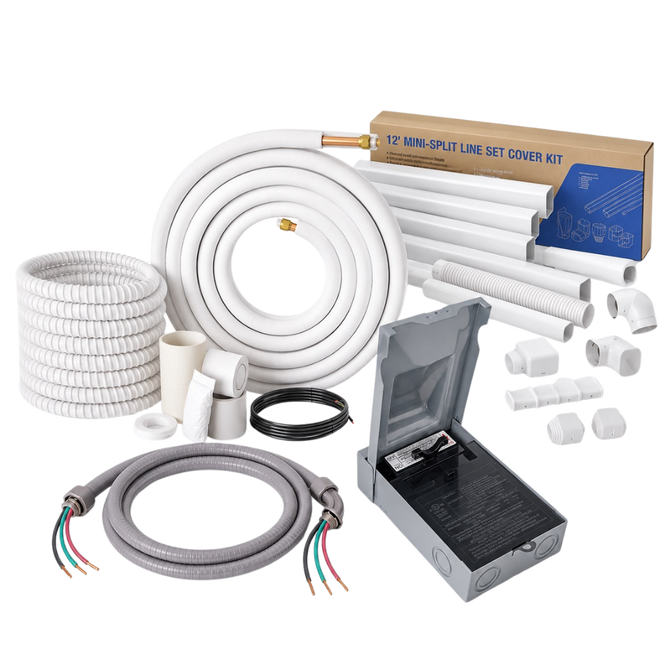
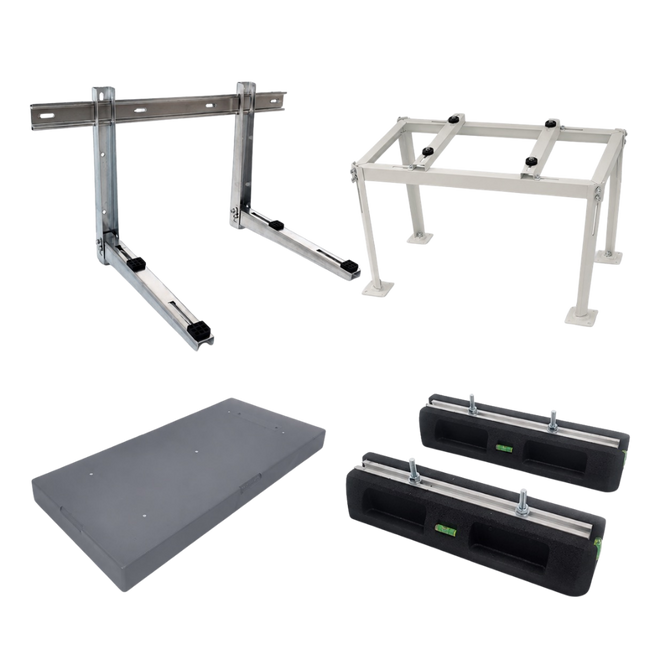
Copper line-sets, UV-stable line covers, wall brackets, and condensate pumps usually add $150–$600+, especially on multi-story installs with long runs.
Upgrades and repairs
Drywall patching, carpentry, masonry work, and painting after the install can add $200–$2,000+ depending on how invasive the routing is.
Why is mini split installation so expensive compared with the unit price?
Mini split installation is expensive because labor, electrical work, permits, refrigerant handling, and line-set routing can equal or exceed the equipment price, especially for multi-zone layouts or older homes needing upgrades.
How 2025/2026 Refrigerant Rules Affect Mini Split Pricing
The U.S. EPA AIM Act is phasing down high-GWP refrigerants like R-410A in favor of lower-GWP alternatives such as A2L refrigerants (R-32, R-454B). From 2026 onward, new central AC and heat pump systems must meet stricter global warming potential limits.
Before 2026
Many systems still use R-410A. Some contractors discount older inventory, but long-term service costs may rise as supplies tighten.
From 2026 onward
Newer A2L-based systems often cost more upfront, and installation requires updated tools, training, and safety procedures—adding to labor cost.

How to Save on Mini Split Installation Cost in 2026
Even with inflation and new refrigerant rules, you still have several ways to reduce what you pay for a ductless mini split cost installed in 2026.
Compare multiple quotes
Request at least two or three itemized quotes. Ask each contractor to break out equipment, labor, permits, electrical work, and extras so you can compare true mini split labor cost and margins.
Choose the right brand tier
Premium brands can be a good fit in some projects. Value brands like Cooper & Hunter, Olmo, and Bravo often deliver strong performance and SEER2 ratings at a lower price point for typical U.S. homes.
Install in shoulder seasons
Spring and fall are usually less busy for HVAC companies. Scheduling work in the off-season can sometimes reduce labor rates by 10–20% compared with peak summer heat waves.
What rebates or tax credits can lower mini split installation cost in 2026?
In 2026, many federal 25C tax credits are set to end after 2025 unless extended, but utility rebates, state programs found via DSIRE, and occasional manufacturer promotions can still trim $500–$5,000 from installed costs.
Through the Inflation Reduction Act, Section 25C currently offers up to 30% of eligible costs, capped at $2,000 per year for qualifying heat pumps through the end of 2025. After that, programs like HOMES and HEERA, plus state-level and utility rebates listed on DSIRE, remain key tools for lowering your 2026 bill.
Often cheaper equipment with solid efficiency. Great for cost-conscious homeowners who still want reliable comfort.
Higher-end features and cold-climate options, but usually higher upfront cost for similar BTU and SEER2 ratings.
Many utilities and states offer mini split rebates. Check DSIRE and local programs to stack incentives where possible.

Mini Split Costs Across U.S. Climates
Your U.S. climate zone has a direct impact on mini split installation cost 2026 and the type of system you need.
Cold-climate heat pumps, higher BTUs per square foot, and more defrost cycles mean higher equipment and labor costs overall.
Strong dehumidification, multiple zones, and high AC demand increase system size and drive up local labor rates.
Smaller total BTUs and fewer extreme days can mean lower operating costs and more flexibility in equipment choice.
Regional labor rates, permit fees, and how local building departments interpret A2L refrigerant and electrical codes also create real price differences from state to state.
Mini Split vs Central Air Cost Comparison
Upfront, a ductless mini split system usually costs 20–50% more than a basic central air conditioner in homes that already have ductwork. Over time, however, ductless systems can win on total cost of ownership.
| Factor | Mini Split | Central Air |
|---|---|---|
| Upfront install cost | Higher, especially without ducts; more line-sets and indoor units. | Lower if ductwork already exists and is in good shape. |
| Operating cost | Often lower thanks to zoning and high SEER2 efficiency. | Can be higher, especially with leaky or uninsulated ducts. |
| Zoned comfort | Each room or zone can be controlled separately. | Usually one thermostat for the whole home. |
| Heating capability | Many mini splits heat and cool; good for shoulder seasons. | Usually cooling only; separate furnace handles heating. |

Mini Split Maintenance and Operating Costs
Ductless systems are relatively simple to maintain. Most manufacturers recommend:
- Rinsing or vacuuming indoor filters every few weeks during heavy use.
- Keeping outdoor units clear of leaves, snow, and debris.
- Scheduling a professional tune-up about once per year.
A basic professional service visit usually costs around $150–$250 per year. Because there are no ducts, you also avoid the $300–$500 many central systems need for duct cleaning and sealing.
For day-to-day use, many single-zone mini splits cost roughly $30–$60 per month to run in cooling mode, while comparable central AC systems in similar homes often reach $80–$120 per month, depending on rates and climate.
Mini Split Installation Cost FAQ for 2026
How much does mini split installation cost in 2026 for a typical U.S. home?
In 2026, most U.S. homeowners pay about $3,000–$7,000 for a simple mini split and $8,000–$25,000+ for whole-home, multi-zone systems, depending on zones, brand, efficiency, and electrical or structural work.
How much does it cost to install a single-zone mini split in 2026?
A professionally installed single-zone mini split in 2026 usually costs $3,000–$7,000 total, with budget brands like Cooper & Hunter, Olmo, or Bravo often landing toward the lower end in typical, low-complexity installs.
How much does it cost to install a 2-zone or 3-zone mini split system?
Most 2- or 3-zone mini split systems cost $8,000–$18,000 installed in 2026, with prices rising for higher SEER2 efficiency, longer line-sets, difficult routing, cold-climate models, and electrical upgrades or panel work.
Why is mini split installation so expensive compared with the unit price?
Mini split installation is expensive because labor, electrical work, permits, refrigerant handling, and line-set routing can equal or exceed the equipment price, especially for multi-zone layouts or older homes needing upgrades.
What rebates or tax credits can lower mini split installation cost in 2026?
In 2026, many federal 25C tax credits are set to end after 2025 unless extended, but utility rebates, state programs found via DSIRE, and occasional manufacturer promotions can still trim $500–$5,000 from installed costs.
Bottom Line: What You’ll Really Pay in 2026
In 2026, most U.S. homeowners spend $3,000–$7,000 to install a single-zone mini split and $8,000–$25,000+ for multi-zone or whole-home systems. Your final mini split installation cost hinges on zones, BTUs, SEER2 efficiency, refrigerant type, electrical upgrades, and whether you choose a premium brand or a value brand like Cooper & Hunter, Olmo, or Bravo.
To get the best outcome, size the system correctly, compare several detailed quotes, use DSIRE and local utilities to find incentives, and work with licensed contractors who design simple, code-compliant layouts that keep labor efficient.
In 2026, most U.S. homeowners spend $3,000–$7,000 to install a single-zone mini split and $8,000–$25,000+ for multi-zone or whole-home systems. Your final price depends on zones, BTUs, SEER2 efficiency, refrigerant type, electrical upgrades, and whether you choose a premium brand or a value brand like Cooper & Hunter, Olmo, or Bravo.
Disclaimer: Mini split systems using A2L or other refrigerants must be installed and commissioned by a properly licensed HVAC professional. Local building codes, electrical requirements, and safety standards vary by city and state and may change over time. Cost ranges, rebates, and tax incentives in this guide are estimates based on available 2025–2026 data and may not reflect your exact project. Always confirm current requirements and incentives with your local building department, utility, tax professional, and equipment manufacturer before starting work.