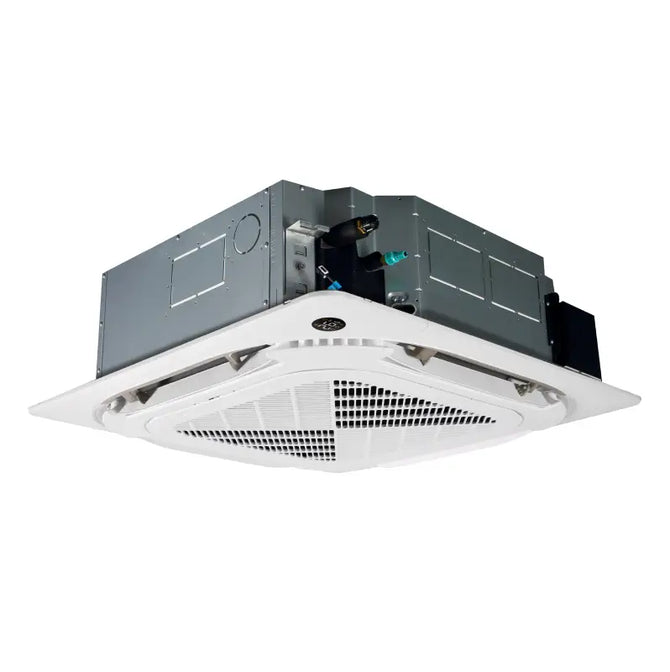
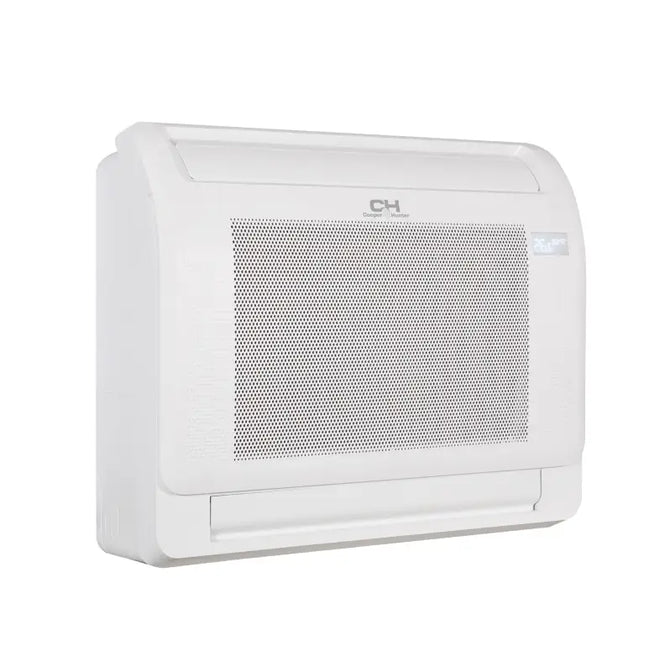
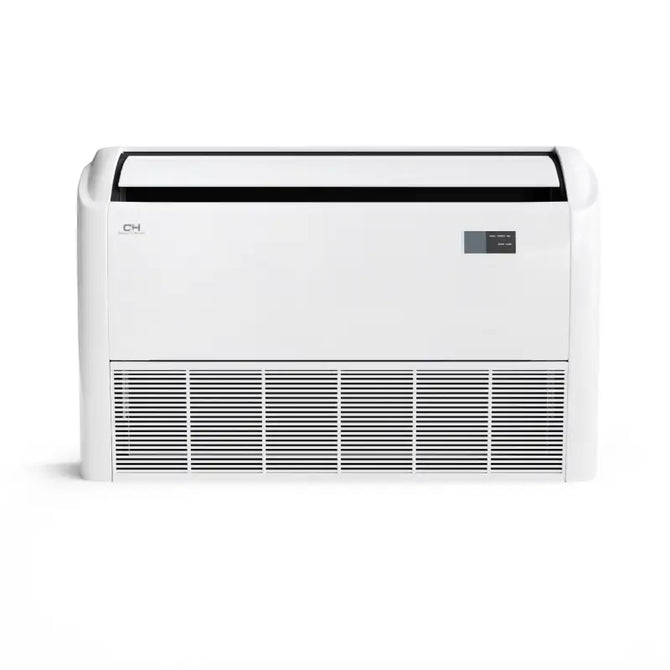
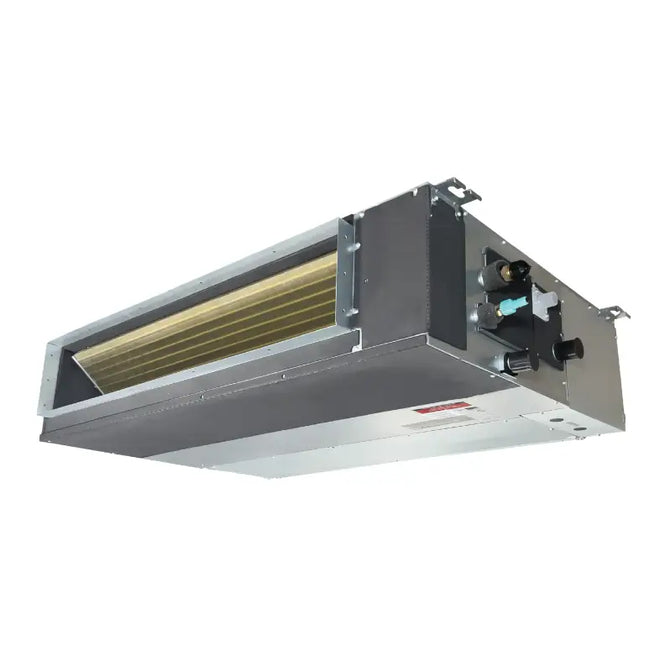




Ah, the thermostat wars. It’s a saga we have all lived through. But as we step into 2026, the era of the central thermostat is ending. We are moving from the "Shotgun" approach of forced air to the "Sniper" precision of ductless technology.
The traditional all-or-nothing approach to cooling feels appallingly wasteful—akin to flipping one switch to light every room in the house. Ductless systems are the precision revolution, eliminating parasitic duct loss and delivering comfort exactly where you need it.
Picture it: 10 PM in February. You're wrapped like a burrito in three layers because the thermostat, strategically yet nonsensically located in the hallway, decides the fate of your comfort. Meanwhile, your kids upstairs are peeling off layers because heat rises. Traditional central air is blissfully oblivious to individual needs.
Reflecting on my own experiences, I remember visiting a friend's house in July. The living room was a blast chiller, while the bedrooms were sweltering. This haphazard climate management is a relic. As we step into 2026, the winds of change are blowing full force.
Think about central forced air as a scattergun approach. It puffs and pushes air through a labyrinth of ducts, hoping that the target rooms achieve the desired climate. It's bulky, noisy, and imprecise.
Parasitic Duct Loss: Ductwork fails spectacularly, wasting 25% to 40% of the energy before it ever reaches its intended destination. That’s akin to watering your garden with a leaky hose.
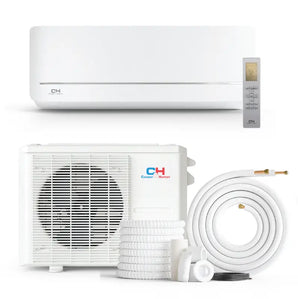
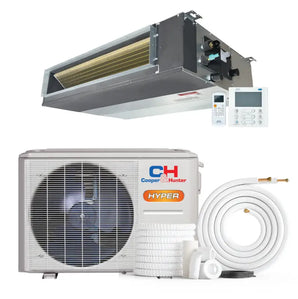
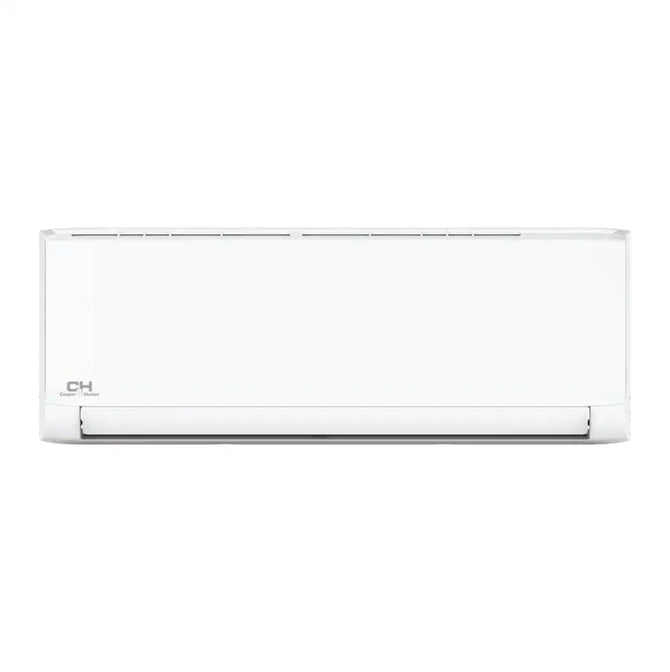
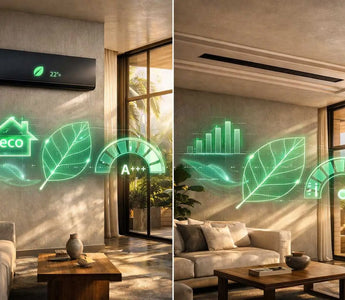
Inefficient Old StandardPrecision Engineering: Like swapping a roomful of musicians for a solo virtuoso. No sprawling tin tunnels. Just a sleek refrigerant line and a head unit delivering targeted comfort via inverter technology.
2026 High EfficiencyI can see the hesitation when people view the initial sticker shock of ductless systems. They glance at upfront costs for central air and think they're getting a deal. But here's the rub.
Ductless systems turn this narrative on its head. Initial installation might seem surgical—a mere 3-inch hole preserves the beauty of your walls—but the operational costs will leave you smiling. With zone control letting you turn off unused areas, your monthly utility bill will reflect your frugality without compromising comfort.
One of my favorite aspects of this modern marvel is the silence. Central air hums along like the relentless drone of a distant train. Ductless systems? They whisper. Running as quietly as a library murmur at about 19 decibels, you might have to double-check the indicator light just to confirm they're on.
Have you ever peered inside a decade-old duct? It’s akin to disturbing a dusty crypt—a treasure trove of dust, mites, and mildew. Every cycle of central air disperses that unwanted mix throughout your abode. Ductless systems segment airflows and use advanced filters, keeping each room's environment fresh. The air in your peaceful bedroom remains there, not wafting in from the musty basement.
Let me settle one lingering doubt. You've probably heard whisperings that heat pumps fail to function in northern frosts. That’s yesterday's myth.
Do mini-splits enhance property value?
Absolutely. Appraisers recognize the significance of "SEER2 20+" and effective zoned climate control as features that enhance a property’s market appeal.
Thinking about completely ditching the creaky old central system?
Go ahead. Modern VRF systems have the capability to manage entire homes with finesse, providing tailored comfort across settings.
What is the payback period?
It varies depending on your home's specifics, but benefits generally become evident between three to five years. And if you’re smart with buying options? You’re looking at potentially recouping costs even sooner.
Is installation free from chaos?
When compared to traditional methods, the answer is clear. Minimal mess, minimal invasion. Just a straightforward, elegant solution fitting snugly into your home's layout.