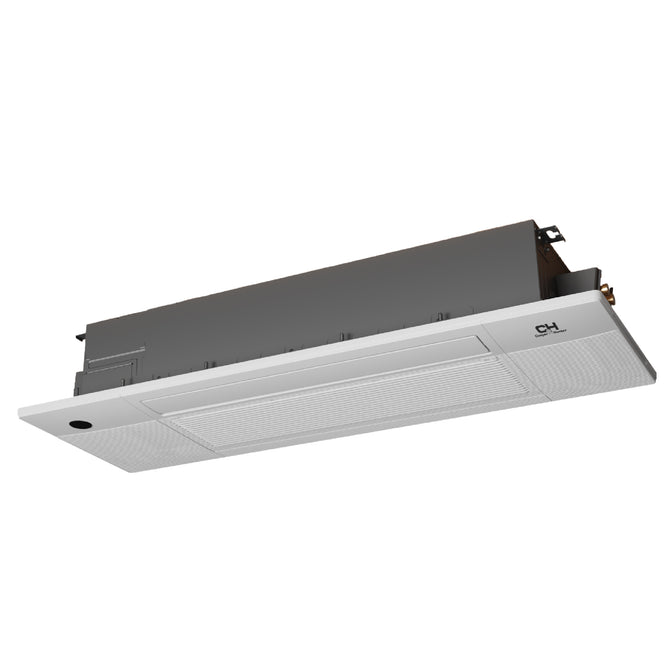
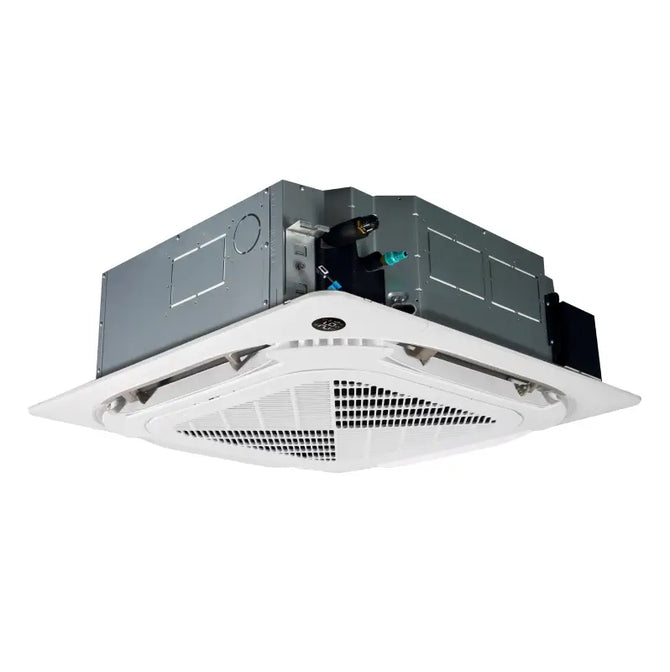
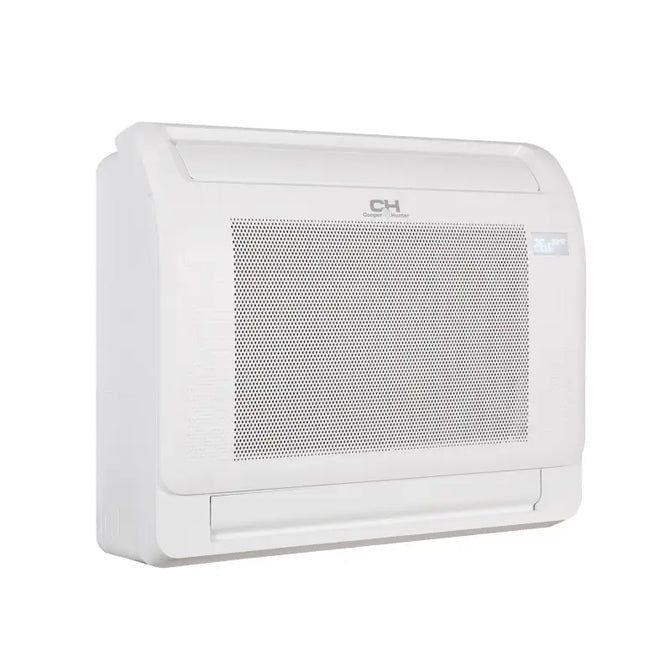
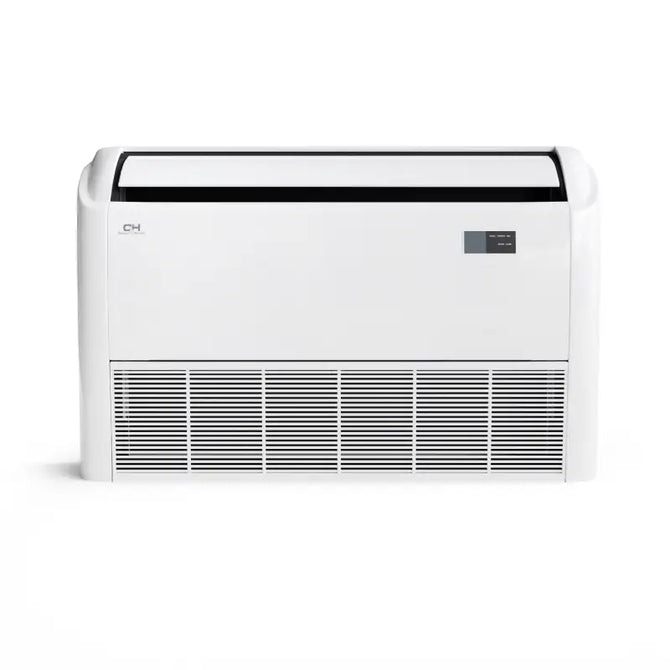




Architectural Integration
Concealed Ducted Mini Split: Hidden Comfort for Modern Interiors
I still remember a brutal custom build back in 2024. The client had just spent mid-six figures on Venetian plaster and floor-to-ceiling glass for their main living area. Then the HVAC contractor walked in holding a massive, plastic white wall-mounted mini-split. It was a disaster. The architect practically threw him off the site.
That is when we pivoted to a concealed ducted mini split. Problem solved.
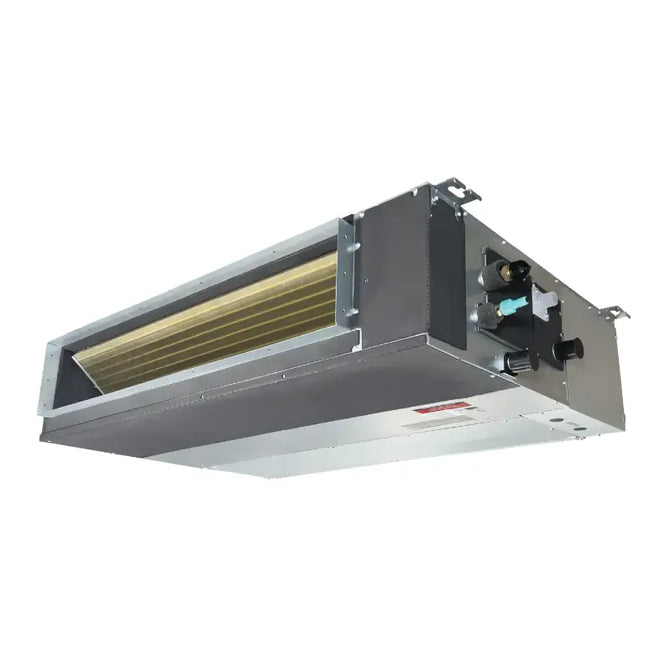
A concealed ducted system is simply a slim, horizontal air handler installed inside a ceiling soffit or cavity. It pushes conditioned air through short ducts to discrete linear diffusers. You get the high SEER2 efficiency of inverter technology, but the hardware stays completely out of sight. When specifying climate control for a high-end remodel today, the conversation has to start with the interior walls. If you are investing heavily in custom finishes, mounting a plastic white box in the middle of the room just won't pass a design review.
What a Concealed Ducted Mini Split Actually Is
Unlike a traditional high-wall unit, a slim duct system operates out of sight. Behind the drywall.
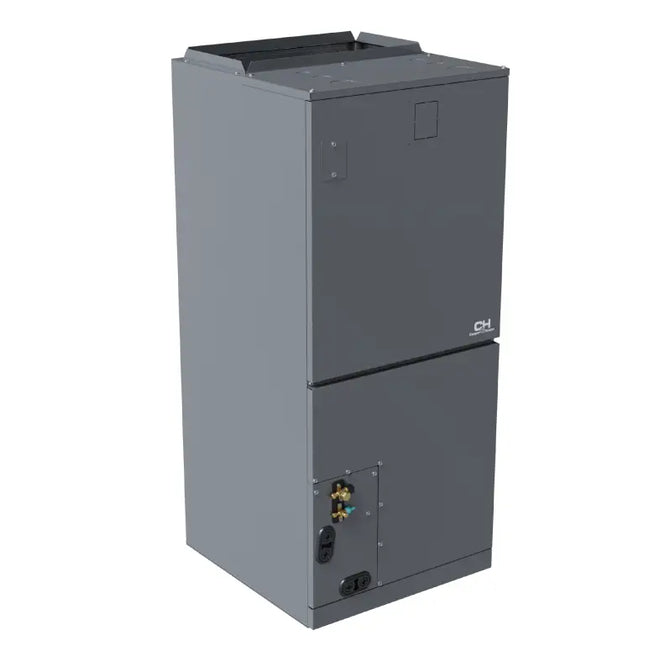
The indoor air handler features a low-profile chassis engineered to squeeze into a ceiling drop, a tight attic space, or a mechanical closet. Instead of blowing air directly into the room from a plastic faceplate, it uses a short network of hidden ductwork connected to architectural linear slot diffusers. Or standard grilles. The return air pulls from a centralized, neutral location.
The outdoor condenser is the exact same one you'd use for a standard ductless setup. Whisper-quiet variable-speed compressor. Individualized zoning. It’s all there. The only difference? The indoor delivery mechanism completely disappears.

Why We Push Concealed Units Over Wall-Mounts
The visual argument is simple. Interior designers agonize over sightlines and spatial symmetry. A plastic wall box ruins that. Here is why I always push for the hidden approach in premium spaces:
🖼️ Aesthetic Preservation
Walls stay completely clear. Hang your artwork. Install floating shelves.
🎧 Acoustic Superiority
Because we bury the mechanical fan inside an insulated ceiling plenum, operational noise drops off a cliff. Most of these units run between 28 and 38 dB(A). That's significantly quieter than your refrigerator.
🌀 Airflow Distribution
Wall units dump air from one spot. A concealed system lets us position multiple supply diffusers exactly where they need to be. You can wash a large window wall with cool air while pulling return air from an empty hallway.
Back to that farmhouse renovation I mentioned. The great room featured vaulted ceilings and exposed timber beams. A wall unit would have stuck out like a sore thumb. By mounting a 24,000 BTU concealed duct model in the adjacent hallway's dropped ceiling, we pushed conditioned air directly into the main room. Invisible comfort.
Anatomy of the Install: Plenum, Ducts, and Diffusers
Specifying a hidden system isn't plug-and-play. It takes spatial awareness and heavy coordination between your framing contractor and your HVAC tech.
External Static Pressure (ESP) dictates everything here. Think of ESP as the resistance the fan has to overcome to push air through the ducts.
Static Pressure & Duct Run Limits
Most slim duct mini splits are low-to-medium static pressure units, operating between 0.2 and 0.6 inches of water gauge (inWG). Because of this intentionally low pressure—which is what keeps the unit quiet—you absolutely cannot hook one up to 40 feet of twisted flex duct. Keep duct runs short. Under 15 linear feet per branch is my hard rule. Use smooth rigid sheet metal. If you must use flex duct, pull it tight. Exceed the ESP rating and you throttle the airflow, freeze the coil, and tank your SEER2 rating. Period.
Soffit and Ceiling Cavity Requirements
Where does the unit physically go? Most low-profile air handlers need a 10 to 14-inch clearance cavity.
A 9,000 BTU slim-duct unit can usually slide comfortably into a 10-inch soffit. But if you need more power, systems pushing 18,000 to 24,000 BTUs require larger blower wheels and thicker coils. Expect to need 12 to 14 inches of vertical clearance.
Always account for the condensate drain line slope (¼ inch of fall per foot). More importantly, mandate an access panel. Put the access panel directly below the unit's control board and motor. If you don't, good luck cleaning the filter or servicing the board down the road without a drywall saw.
Zoning Configurations
You don't have to commit an entire property to one type of indoor unit. Hybrid zoning is incredibly flexible. Yes, you can run concealed units and standard wall units off the exact same outdoor compressor.
- Single-Zone Setup: One condenser powers one concealed air handler. Perfect for an isolated master suite addition or a home theater.
- Multi-Zone Setup: A single high-capacity outdoor condenser connects to several indoor units across the house.
When budgeting whole-home retrofits, I often mix and match. We'll specify concealed ducted units for the highly visible living areas and primary bedroom. Then, we drop standard high-wall units in the home gym or garage to save money. This dual-zone configuration breakdown explains the math behind mixed systems well.
Sizing the Unit: BTU Logic
Oversizing is the enemy. Buy a unit that is too large for your space and it will short cycle. It turns on and off rapidly, fails to remove humidity, and leaves the room feeling cold and clammy.
Do an ACCA Manual J load calculation. It factors in your insulation R-value, window orientation, and local climate data.
Run the Manual J calculation to get your total cooling load. Because a ducted unit loses roughly 5–8% of its rated capacity overcoming duct resistance, select a unit whose delivered (ducted) capacity still covers that load — don't undersize by assuming the nameplate BTU reaches the room. This is about matching delivered output to the load, not padding the load itself. Relying on outdated square-footage rules of thumb will bite you. For exact numbers, look at this BTU sizing methodology.
Cost, SEER2 Performance, and Smart Integration
By 2026, the HVAC industry fully transitioned to SEER2 standards and next-generation A2L refrigerants. A solid concealed ducted mini split easily hits SEER2 ratings between 18 and 22. Wall units might hit 25+ because they have zero duct resistance, but concealed systems still crush traditional central AC.
In fact, these units are perfect central air replacements. For older homes without existing ductwork, you get central-air aesthetics without installing a massive furnace or running leaky duct networks through an unconditioned attic.
Hardware costs generally run 15% to 25% higher than wall-mounted equivalents. Labor is higher too, strictly because of the custom duct fabrication and framing coordination. And no, you cannot install this yourself. Flaring refrigerant lines, pulling a vacuum, and pressure testing require an EPA 608 certification and specialized tools.
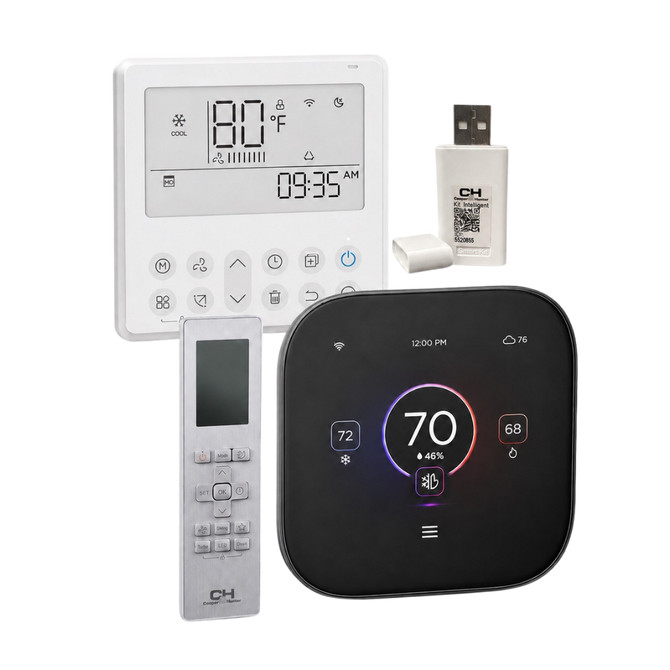
On the controls side, these aren't dumb machines. They wire into wall controllers, and optional Wi-Fi modules let them communicate directly with your smartphone and modern smart-home ecosystems.
Specifying Your System: A 6-Step Workflow
Ready to map this out? Follow this workflow to avoid tearing out drywall later.
Confirm Ceiling Cavity Depth
Measure the soffit or joist-bay space. Verify it against the manufacturer spec sheet before framing is locked.
Execute a Load Calculation
Run the Manual J for the specific zone.
Map the Geometry
Keep supply ducts under 15 feet. Position linear diffusers near windows to combat solar gain. Properly sized slot diffusers won't restrict airflow. Put the return grille in an inconspicuous spot.
Validate External Static Pressure
Keep combined resistance below the unit's max ESP.
Coordinate Mechanical Routing
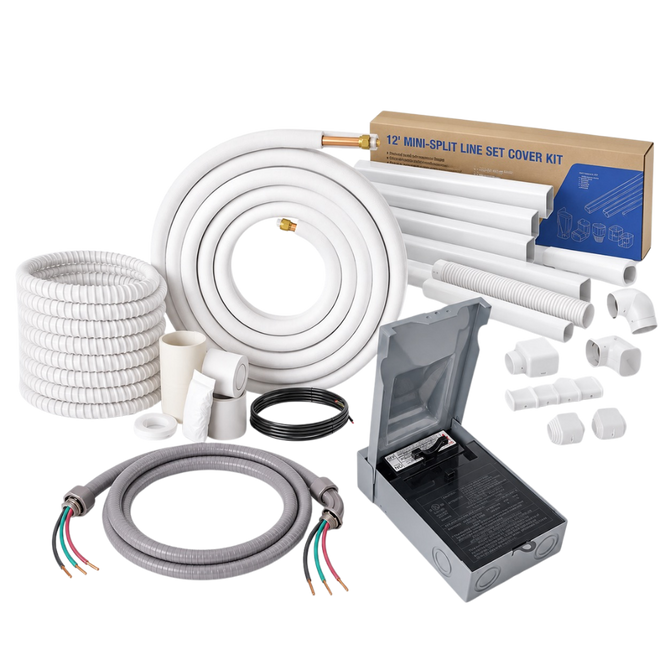
Plan the lineset, communication wire, and drain path. If linesets run outside, specify decorative line-set covers.
Plan Service Access
Mandate a drop-down access panel underneath the unit. Don't skip this step.
Frequently Asked Questions
Yes. Multi-zone configurations can connect several concealed indoor units to a single outdoor condenser. By properly sizing the units according to a Manual J load calculation, you can effectively heat and cool an entire home without traditional central ductwork.
No. They require very short duct runs (usually under 15 feet) and discrete linear diffusers. This avoids the bulky, inefficient extensive duct networks required by traditional central air systems.
Absolutely. Modern multi-zone systems allow you to mix and match indoor unit types. You can specify concealed units for high-visibility living areas and standard wall-mounted units for bedrooms or garages. Learn more in our dual-zone setup guide.
Routine maintenance consists primarily of cleaning the air filter. It is critical during installation to include a drop-down access panel directly below the unit so that the filter and control board remain accessible without cutting into drywall.
Final Thoughts
The days of compromising interior design for thermal comfort are behind us. Hidden mini splits give you inverter heat pump performance without ruining your ceilings and walls. Whether you're dealing with a historic brownstone or a new custom build, getting the mechanicals out of sight changes the entire feel of the room.
Browse the full concealed ducted catalog and find the exact unit to fit your floorplan.