



How to Choose the Best Mini Split System in 2026
A step-by-step guide to picking the right ductless mini split in 2026 — sized correctly, aligned with new refrigerant rules, and realistic about your budget, comfort problems, and U.S. rebates.
The best mini split in 2026 is the one that solves your comfort problem, fits your home, and makes financial sense.
In 2026, a “best” ductless mini split for a U.S. home is:
- Correctly sized (BTUs) for your rooms, climate, and insulation — not just “bigger is better”.
- Uses a modern, low-GWP refrigerant such as R-32 or R-454B, not just legacy R-410A.
- Meets or beats current SEER2/HSPF2 minimums by a few points, especially if it’s your main system.
- Fits your electrical panel and has a clean plan for outdoor placement and line-set routing.
- Delivers the features you’ll actually use (quiet, cold-climate heating, Wi-Fi, dehumidify) within a budget that still works after installation and any rebates.
Start with your comfort problem, not the brand
Forget logos for a minute. The right system is the one that fixes the room or zone that bothers you every day.
Before you compare models, name your main pain point:
- One bedroom or bonus room that is always too hot or too cold
- A sunroom, attic, or garage you want to use year-round
- A small home with no ductwork at all
- High bills from space heaters, baseboard heat, or old window units
Quick matches
One “problem” room, addition, office
→ Single-zone mini split (one outdoor + one indoor head).
Small home or large open space (≈800–1,500 sq ft)
→ One or two heads on a compact system.
Whole-home comfort (≈1,500–3,000+ sq ft)
→ Designed multi-zone system or several strategically placed single-zones.
Cold-climate main heating
→ High-efficiency cold-climate heat pump mini split with strong low-temperature ratings.
Size it right: BTUs, square footage & climate
A correctly sized mini split should feel almost invisible — quiet, steady, and not constantly turning on and off.
Quick room-by-room BTU guide (typical U.S. homes)
- Up to 250 sq ft → about 6,000 BTU
- 250–400 sq ft → about 9,000 BTU
- 400–550 sq ft → about 12,000 BTU
- 550–800 sq ft → about 18,000 BTU
- 800–1,200 sq ft → about 24,000 BTU
- 1,200–1,500 sq ft → about 30,000 BTU
When to adjust the BTUs
- + Add 10–20% if the room has big west/south windows, poor insulation, or is in a very hot climate.
- − Reduce by ~10–15% if the space is very well insulated and shaded.
For multi-zone systems, do not just add all room BTUs and match them 1:1 with the outdoor unit. Manufacturers allow some diversity, and over-loading or under-loading the outdoor unit is a common source of comfort complaints. A good installer or a mini-split-specific calculator can help fine-tune the design.
Choose single-zone, multi-zone, or whole-home
The layout you pick today will decide how flexible, efficient, and resilient your comfort will feel for years.
Single-zone mini splits
Best for one room, a small apartment, an office, or an addition. You get simple sizing, one thermostat, and if that unit ever has a problem, it only affects that space.
- Pros: Simple, efficient, usually best performance per dollar, easy to understand.
- Cons: Several outdoor units if you repeat this approach across the whole home.
Multi-zone mini splits
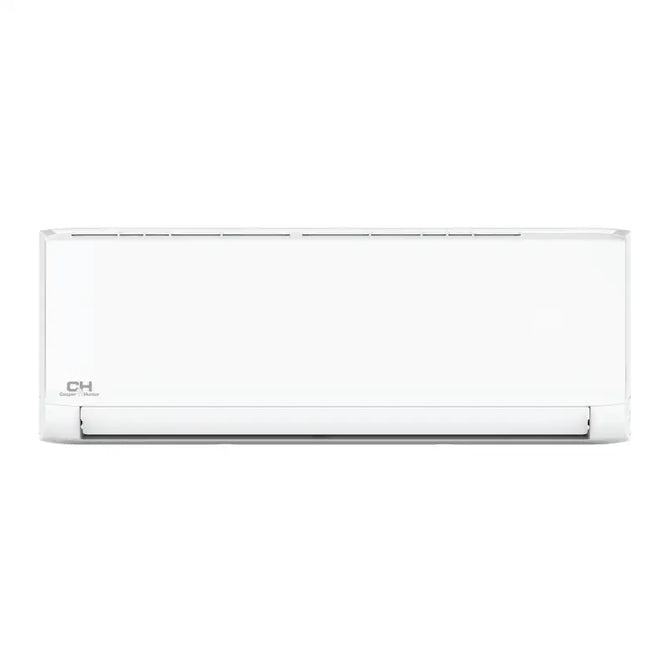
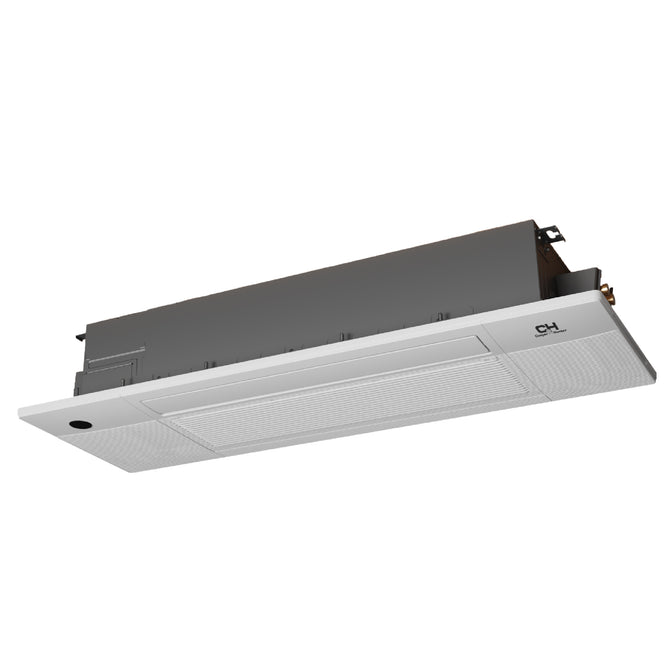
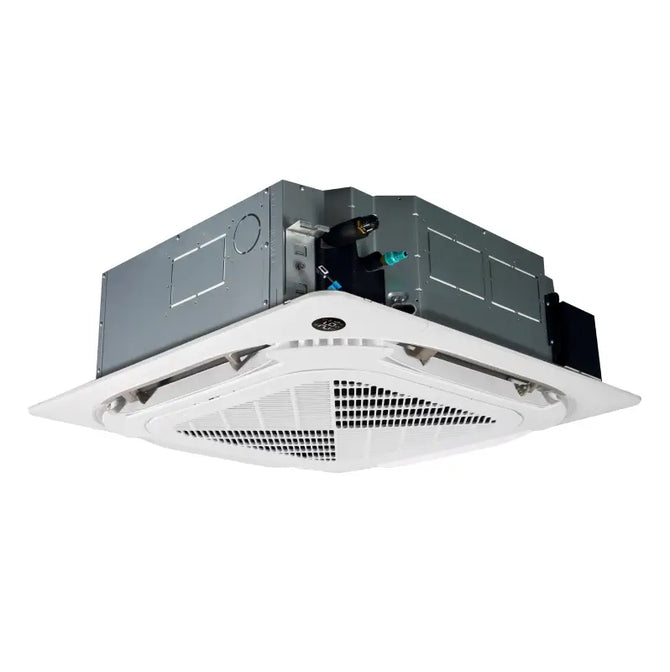
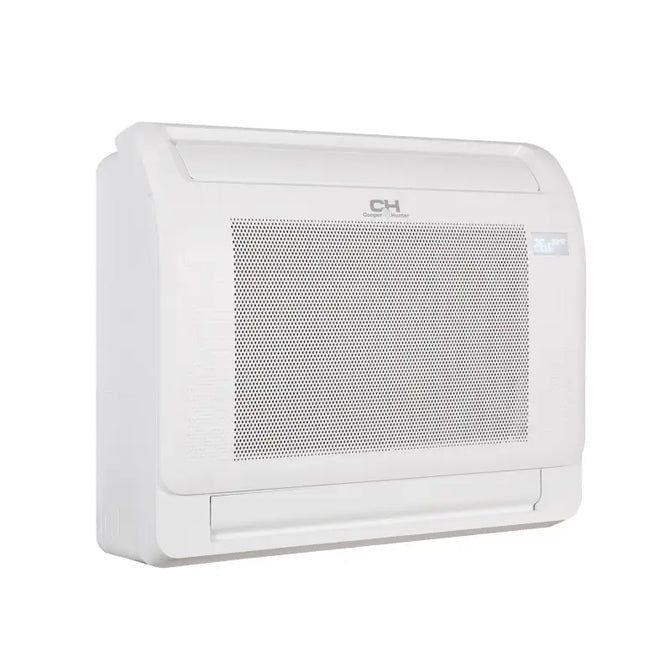
One outdoor unit feeding two to six (or more) indoor heads. Great when multiple rooms need separate control and you want a cleaner exterior look.
- Pros: One outdoor unit, flexible indoor head types, zoning per room or zone.
- Cons: If the outdoor unit fails, all zones are down; easy to mis-size or over-head a small space.
Whole-home / cold-climate setups
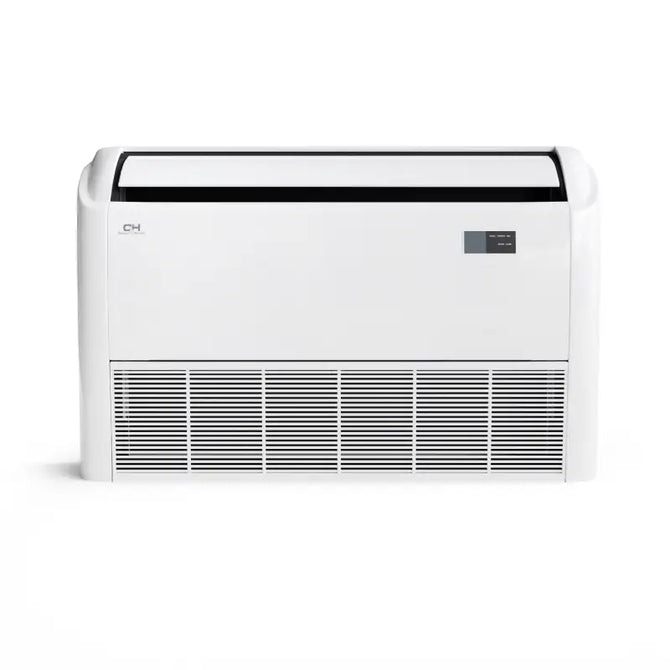
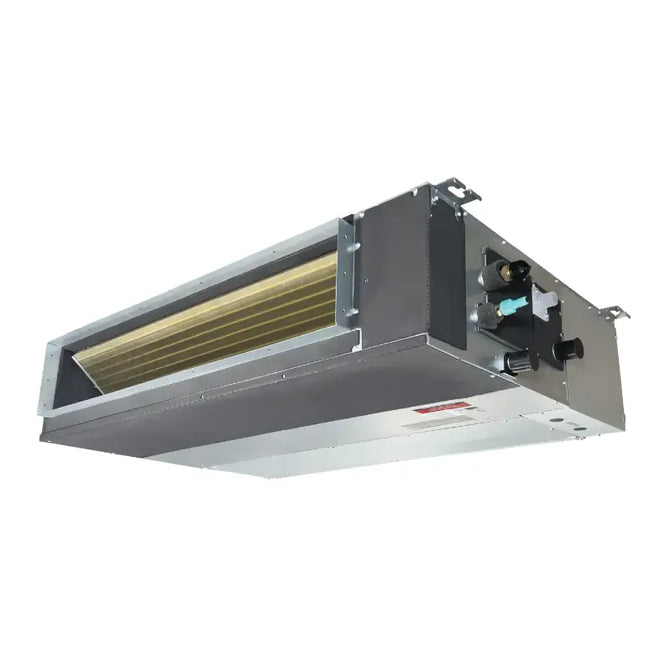
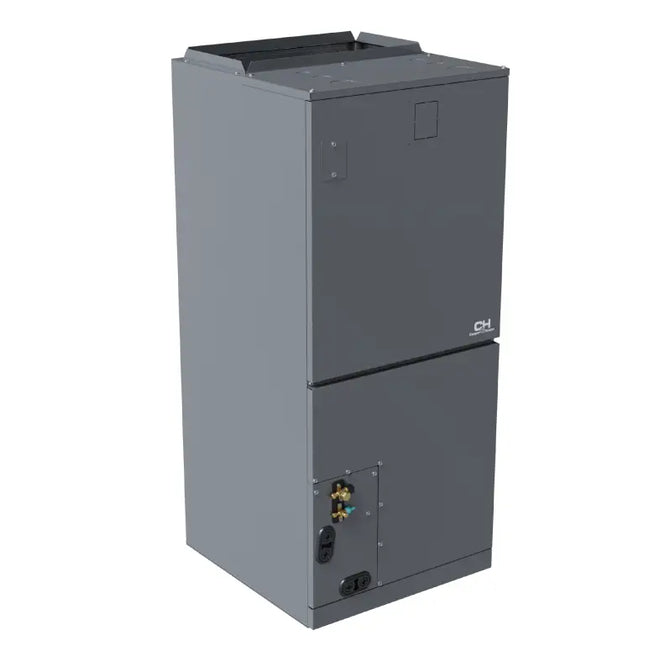
In 2026, many homeowners are using ductless or ducted mini split heat pumps as the primary heating and cooling system. For that, look for cold-climate ratings (strong capacity at low outdoor temperatures) and high SEER2/HSPF2 numbers.
Understanding SEER2, EER2, and HSPF2 Ratings
The new SEER2, EER2, and HSPF2 standards better reflect real-world HVAC performance than the old SEER and HSPF labels.
On 2026 spec sheets, you’ll mostly see:
- SEER2 — seasonal cooling efficiency (higher means more efficient cooling).
- EER2 — cooling efficiency measured at a specific high-load condition.
- HSPF2 — seasonal heating efficiency (higher means more efficient heating).
On our website, you can explore a wide range of systems across different SEER ratings — from 16 SEER up to 25 SEER:
16 SEER (3) | 17 SEER (4) | 18 SEER (7) | 19 SEER (4) | 20 SEER (6) | 21 SEER (44) | 22 SEER (15) | 23 SEER (50) | 24 SEER (31) | 25 SEER (3)
You can use the filter options to find the system with the efficiency level that fits your goals — or try our BTU Load Calculator to estimate your home’s cooling and heating needs.
- 🏠 Main system / long-term home: choose SEER2 20+ models with strong HSPF2 values — ideal for year-round comfort and energy savings.
- 🧩 Occasional-use room or budget build: systems with SEER2 16–18 can still provide excellent efficiency at a lower cost.
Refrigerant: R-410A vs R-32 vs R-454B
New U.S. rules are pushing AC and heat pump equipment toward lower-GWP refrigerants — which affects what you should buy in 2026.
Under the U.S. AIM Act, high-GWP refrigerants such as R-410A are being phased down. From 2025–2026 onward, many new residential systems move to R-32 or R-454B, which have a lower global-warming potential.
- New systems in 2026: most reputable brands focus on R-32 or R-454B lines.
- Existing R-410A systems: still legal to own and service, but the refrigerant will likely get more expensive.
- No DIY conversions: do not convert an R-410A system to an A2L refrigerant — systems are designed for specific refrigerants.
In practical terms: if you’re buying new equipment in 2026, it usually makes sense to choose a system that already uses R-32 or R-454B, so you’re aligned with future service and regulations.
Check electrical, placement & line-set routing
Many “surprises” in mini split projects happen not with the unit itself, but with the panel, breaker, or where you can actually run the lines.
Electrical basics
- Voltage: smaller single-zone units may run on 115 V, larger and multi-zone units often need 208/230 V.
- Amps & breaker: every model lists minimum circuit ampacity and max breaker size — your panel has to support it.
- Wire run: longer distances from the panel can add installation cost.
Placement & line-sets
- Plan where the outdoor unit will sit (pad, stand, or wall bracket), away from bedroom windows if possible.
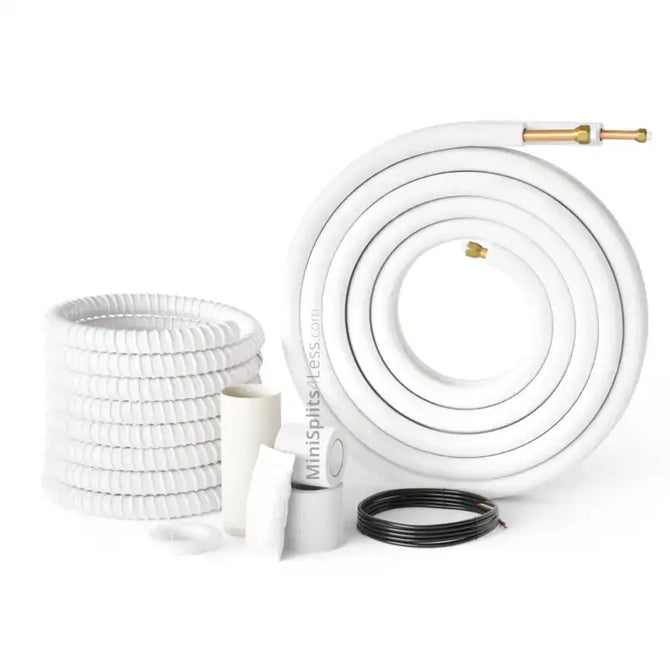
- Think through a neat route for the refrigerant lines and drain with line-set covers.
- Check local code and HOA rules about exterior equipment and penetrations.
Features that actually matter day-to-day
People complain most about noise, controls, and humidity — not the SEER2 printed on the label.
Quiet operation
For bedrooms and offices, look for indoor sound levels in the low- to mid-20s dB(A) on low fan. Keep outdoor units away from sleeping areas and neighbor windows when possible.
Humidity & comfort
In humid climates, prioritize systems with strong dehumidify modes and good turndown (inverter technology) so the unit can run gently and steadily, not just blast and stop.
Smart controls
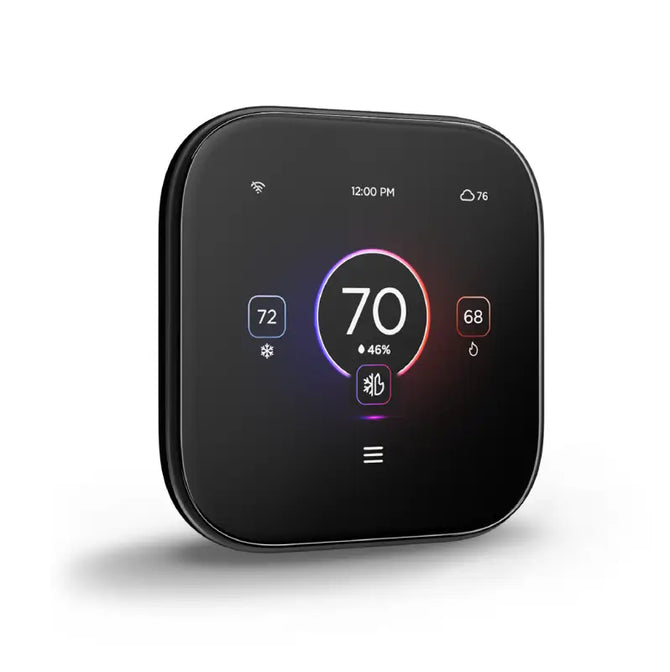
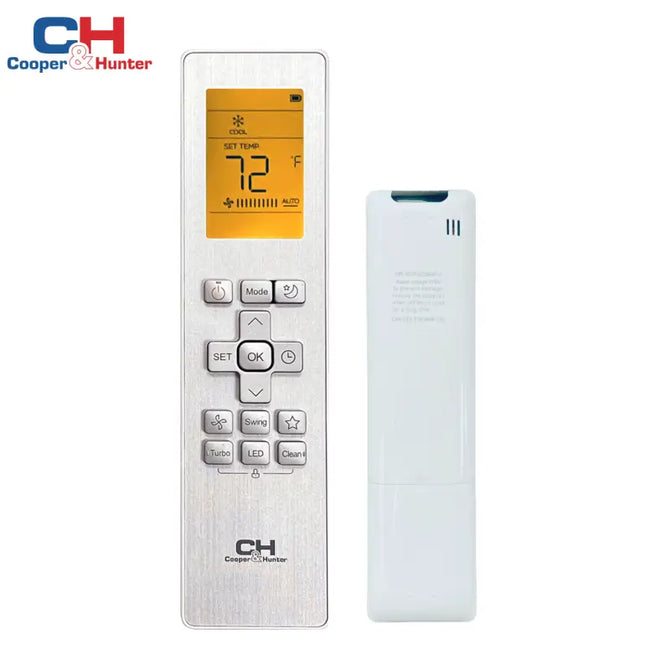
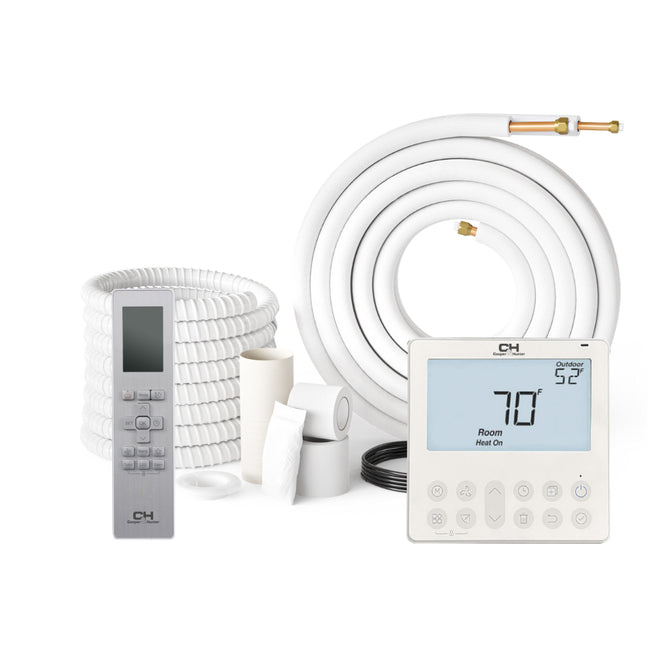
Wi-Fi apps should make life easier — scheduling, remote control, sometimes basic energy tracking. Check that the app and ecosystem (Alexa, Google, etc.) are ones you’re comfortable using.
Filters & maintenance
Easy-to-remove, washable filters and clear access for professional cleaning will keep performance and indoor air quality high with less hassle.
Budget, rebates & total cost of ownership
The “cheapest” system up front is not always the cheapest to own once you factor in power bills and incentives.
What goes into your real project cost?
- Equipment: outdoor unit, indoor head(s), remote/controls.
- Installation labor: line-sets, wall penetrations, vacuum and charge, commissioning.
- Accessories: pad or stand, disconnect box, line-set covers, condensate pump if needed.
- Permits & inspections: required in many U.S. cities.
Incentives in 2026
Federal, state, and utility incentives change over time. Some tax credits created earlier in the decade may phase down, while many state and utility rebates for efficient heat pumps continue. Always check your state energy office and local utility websites for the latest eligibility rules before you buy.
- 💵 Confirm whether your chosen mini split must be ENERGY STAR or ENERGY STAR Most Efficient to qualify.
- 📎 Ask if rebates require a specific SEER2/HSPF2 level or an approved installer list.
- 📊 Compare the total cost after incentives against expected energy savings over 10–15 years.
Quick buyer checklist for 2026
Use this list right before you click “Buy” or sign a proposal — it’s a fast sanity check.
- ☑I know exactly which rooms this system is supposed to fix.
- ☑The BTU sizing considers square footage, insulation, and my climate.
- ☑I’ve chosen between single-zone and multi-zone with pros and cons in mind.
- ☑The system uses a modern refrigerant (R-32 or R-454B).
- ☑SEER2 and HSPF2 are comfortably above the bare minimum for my region.
- ☑My electrical panel and breakers can support the unit.
- ☑We have a clean plan for outdoor location and line-set routing.
- ☑The indoor and outdoor sound levels work for how I use the space.
- ☑I’ve checked current rebates/credits and included them in the budget.
- ☑I have a simple plan for filter cleaning and occasional professional maintenance.
FAQ: Common mini split questions for 2026
Short answers you can skim quickly — useful for search, voice assistants, and quick comparison.
What SEER2 rating is “good enough” for a mini split in 2026?
For a main system in a home you plan to stay in, SEER2 20+ with a solid HSPF2 is often a strong choice. For occasional-use rooms or tighter budgets, something modestly above your regional minimum — usually around SEER2 16–18 — can still be reasonable.
Is R-410A now “bad” or illegal?
R-410A systems are still legal to own and service, but the refrigerant is being phased down due to its higher global-warming potential. That usually means higher refrigerant prices over time. If you are buying new equipment in 2026, it typically makes sense to choose a system that already uses R-32 or R-454B.
Can I DIY install a mini split to save money?
Some kits are marketed for DIY, but many U.S. jurisdictions require permits and licensed work for code compliance and warranties. A poor installation can lead to leaks, low efficiency, and early failure. For most homeowners, a professional install is the safer long-term choice.
Can a mini split be my only heat source?
Yes, in many modern, well-insulated homes, especially with cold-climate rated mini split heat pumps. In very cold climates or leaky older homes, many people keep backup heat (electric, gas, or wood) for extreme cold snaps and power outages.
Ready to compare mini split systems for your 2026 project?
Use this guide as a checklist while you browse ductless mini splits. Focus on the rooms you need to fix, modern refrigerants, realistic efficiency, and your total cost after installation and incentives.