

Inverter Technology: Why It’s Ideal for Heating and Cooling
MiniSplitsForLess and ENERGY STAR both highlight inverter technology for heating and cooling as a smarter way to stay comfortable while using less energy. This guide explains how it works, when it’s worth it, and how to choose the right inverter mini split or heat pump.
Inverter technology lets your system match how much heating or cooling you need instead of blasting on and off.
Inverter technology for heating and cooling uses a variable-speed compressor to track your home’s needs in real time. That means steadier temperatures, quieter operation, and significantly lower energy use compared with similar non-inverter systems.
- Reduces wasteful on/off cycling to cut electricity use by roughly 20–40% in typical homes.
- Improves comfort with fewer hot/cold swings and better humidity control.
- Runs quieter at low speed, especially outdoors and in bedrooms or offices.
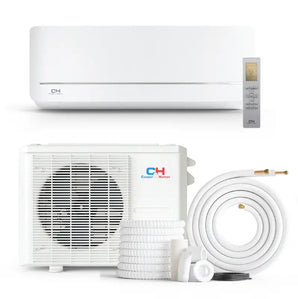
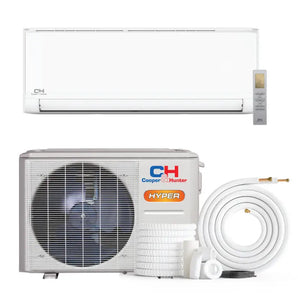
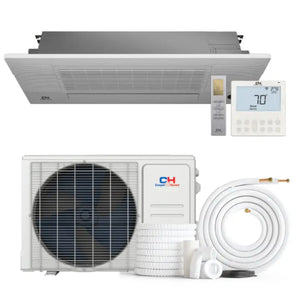
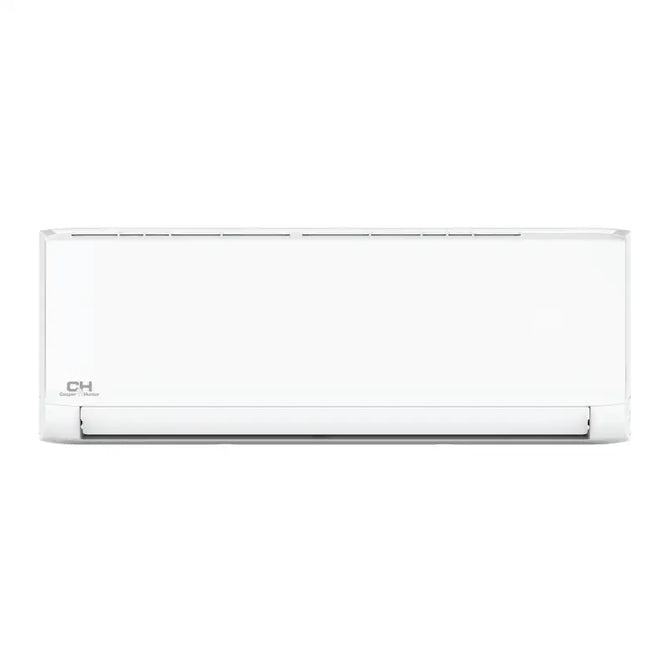
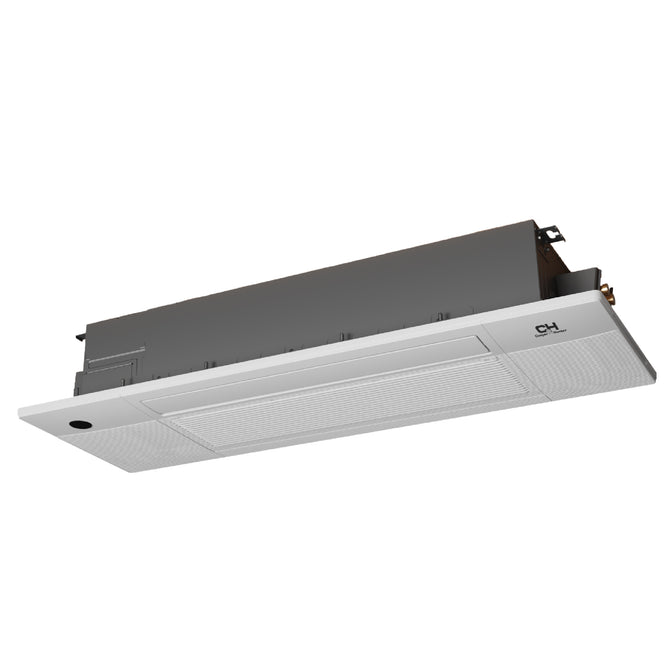
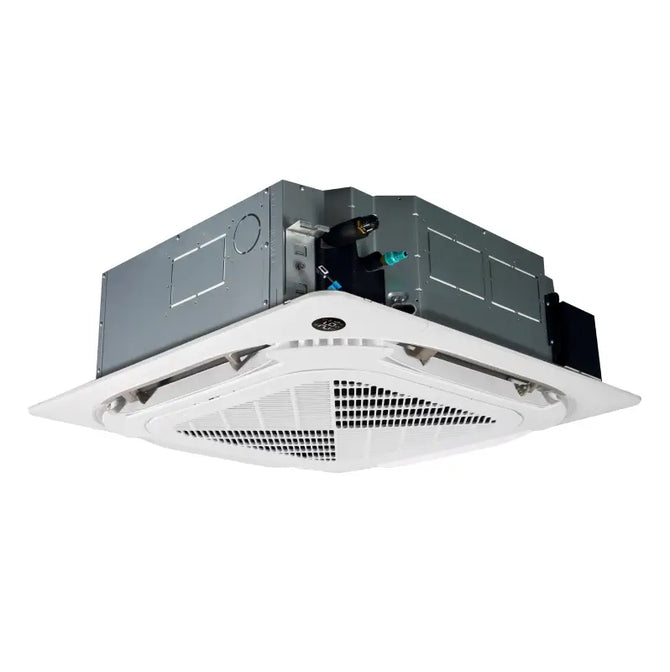
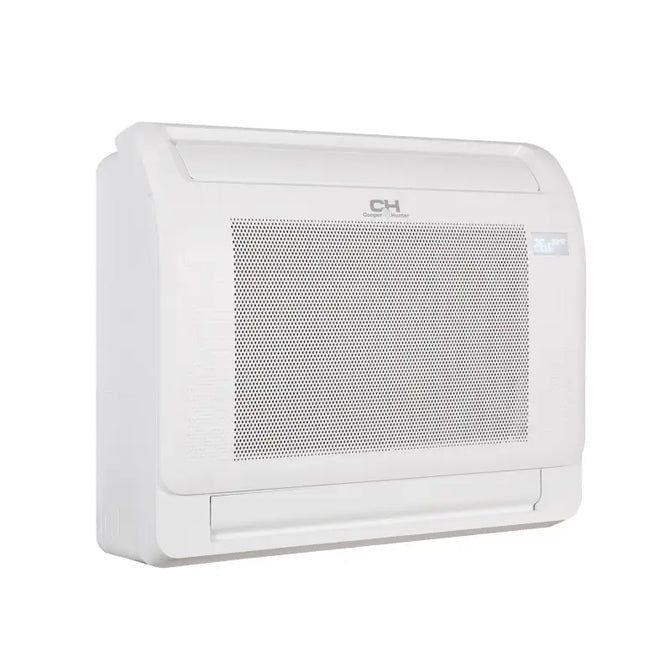
- Ideal for ductless mini splits and heat pumps from brands like Cooper & Hunter, Bravo, and Olmo.
What is inverter technology in heating and cooling systems?
Inverter technology uses electronics to vary a compressor’s speed so your heating and cooling system only works as hard as needed, maintaining steadier temperatures with less energy waste.
In a traditional HVAC system, the compressor is either fully on or fully off. When the thermostat calls for heating or cooling, the compressor starts at full power, runs until the setpoint is reached, and then shuts down. A few minutes later, the cycle repeats — which is noisy, inefficient, and hard on components.
An inverter system replaces that stop-and-go behavior with a variable-speed compressor driven by electronics. Once the space reaches the target temperature, the system does not shut off completely. It simply slows down and “cruises,” supplying just enough heating or cooling to hold a stable, comfortable indoor environment.
This is why inverter mini splits and inverter heat pumps feel different in daily use: fewer blasts of air, fewer temperature swings, and a sense that the room is always “just right” instead of constantly drifting too warm or too cool.
How does an inverter air conditioner or heat pump save energy?
An inverter air conditioner or heat pump saves energy by ramping the compressor up or down instead of constantly starting and stopping, which cuts power-hungry on/off cycles and can reduce electricity use by roughly 30–50% versus non-inverter units.
Every time a traditional compressor starts, it draws a surge of electricity. Over a long summer or winter, those peaks add up. Because an inverter compressor can start gently and then settle at a lower speed, it avoids repeated high-current starts — and spends far more time in an efficient “cruise” mode.
In mild weather, an inverter mini split may run for hours at a very low speed, using surprisingly little power while holding a steady indoor temperature. When the load increases — a heat wave, a cold snap, more people in the room — the compressor ramps up smoothly, then ramps down again once the space is back in balance.
Over a year of real-world use, many U.S. homes see roughly 20–40% lower heating and cooling costs from inverter systems compared with similar non-inverter equipment, when the system is sized and installed correctly.
Is an inverter mini split better than a non-inverter system?
For most homes, an inverter mini split is better than a non-inverter system because it offers higher efficiency, quieter operation, more precise temperature and humidity control, and often longer equipment life, even though upfront equipment cost is usually higher.
If you currently rely on older central AC, electric baseboard heat, window units, or space heaters, upgrading to an inverter mini split can dramatically change how your home feels. Instead of short bursts of hot or cold air, you get a steady, gentle output that keeps the room consistently comfortable.
Inverter mini splits also excel at zoning. You can condition only the rooms you actually use — like bedrooms, a home office, or a finished basement — rather than paying to heat and cool the entire house all the time. That’s why they are popular for additions, older homes without ducts, and homes with mixed comfort issues.
The tradeoff is that inverter equipment typically costs more up front than basic non-inverter systems. But for many U.S. homeowners, the energy savings, improved comfort, and quieter operation make that investment worthwhile within just a few years.
How inverter mini splits perform in U.S. climates
Inverter technology adapts to hot, cold, and humid conditions, making mini splits a strong option in most U.S. regions when you choose the right model.
Hot & humid South and Gulf Coast
Long cooling seasons and high humidity are where inverter systems shine. By running for longer at low speeds, they can remove more moisture from the air while keeping rooms at a steady temperature, which often feels better at the same thermostat setting.
Dry West & Southwest
In dry climates, cooling load is high but humidity is less of a problem. High-efficiency inverter mini splits reduce peak electricity demand and pair well with solar, because they can adjust their output as available solar power changes throughout the day.
Mixed, cold, and coastal regions
In the Northeast, Midwest, and Pacific Northwest, inverter heat pumps can handle both heating and cooling in one system. Cold-climate models are designed to deliver strong heating output at low outdoor temperatures, while coastal areas benefit from quiet, efficient operation in dense neighborhoods.
The key is matching each system’s heating and cooling capacity to your local climate and insulation level. That’s where product specs, efficiency ratings, and low-ambient performance come into play.
Do inverter heat pumps work well in cold U.S. climates?
Modern inverter heat pumps designed for cold climates can deliver reliable heating at outdoor temperatures near or below 5°F, but you should look for ENERGY STAR cold-climate models and check the unit’s low-ambient rating for your specific region.
Earlier generations of heat pumps struggled in freezing weather and often needed electric resistance backup. Cold-climate inverter systems use advanced compressors, better refrigerants, and smarter controls to keep delivering heat at much lower outdoor temperatures, sometimes down to −5°F or even lower depending on the model.
When you compare Cooper & Hunter, Bravo, or Olmo inverter mini splits on MiniSplitsForLess, look closely at the heating performance tables. Pay attention to:
- Rated heating capacity at 47°F, 17°F, and the lowest published outdoor temperature.
- Whether the unit is labeled or marketed as a cold-climate heat pump.
- Any notes about supplemental or backup heat for very low outdoor temperatures.
In many U.S. regions, a correctly sized cold-climate inverter heat pump can be the primary heat source for a home. In more extreme climates or leaky older homes, many people keep a backup heat source for the coldest days or unusual weather events.
Costs, savings & incentives for inverter HVAC
How much can inverter HVAC cut my heating and cooling bills?
Actual savings vary, but many inverter HVAC systems cut annual heating and cooling costs by roughly 20–40% compared with similar non-inverter equipment when properly sized, installed, and used in typical U.S. homes.
If you replace an older 10–13 SEER central AC, window units, or electric resistance heat with an efficient inverter mini split, the difference on your electric bill can be substantial. The more hours per year you run heating and cooling, the more those efficiency gains matter.
Are there U.S. tax credits or rebates for inverter heat pumps?
Yes. Through at least December 31, 2025, qualifying high-efficiency heat pumps may earn a federal tax credit of up to $2,000 per year, and many utilities and states add separate rebates, so always confirm current incentives before you buy.
Federal incentives are complemented in many areas by state and utility rebates for high-efficiency equipment, especially cold-climate or ENERGY STAR certified inverter heat pumps. Together, these programs can significantly reduce the upfront cost of an inverter system.
Because incentive rules change over time, it’s smart to check the latest information from the IRS, ENERGY STAR, your state energy office, and your local utility before finalizing your purchase or installation plan.
What to check before choosing an inverter system
A little homework before you order an inverter mini split makes the difference between “works okay” and “wow, this changed my home.”
- 1. Match system size to each room and your climate — avoid both oversizing and undersizing.
- 2. Check SEER2 and HSPF2 ratings relative to your regional minimums and local electricity rates.
- 3. Look for ENERGY STAR or cold-climate labels if you rely on the system for winter heat.
- 4. Confirm low-ambient heating capacity meets your typical winter lows.
- 5. Review compressor and parts warranties for Cooper & Hunter, Bravo, and Olmo models.
- 6. Plan for professional installation, including electrical work and any required permits.
- 7. Check whether your preferred system qualifies for federal, state, or utility incentives.
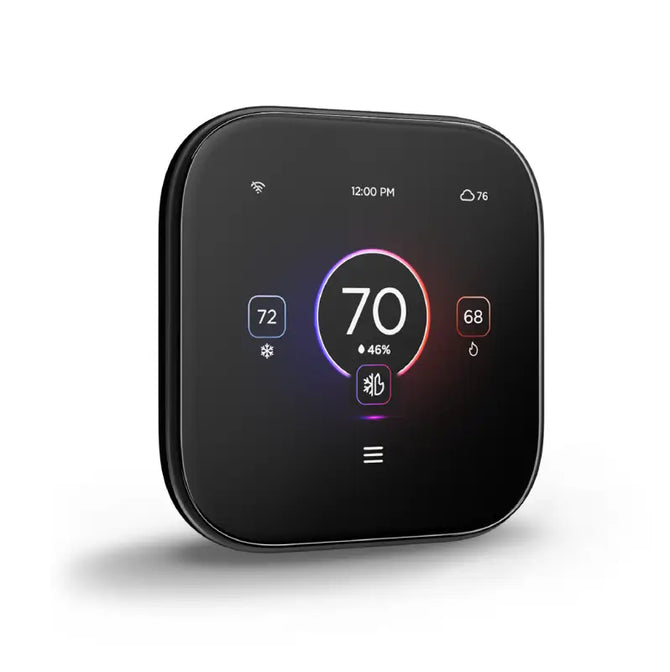
It’s also worth thinking through day-to-day details: where the indoor units will sit on the wall, how visible the outdoor unit will be, how much noise is acceptable, and whether you want Wi-Fi app control.
Inverter vs non-inverter: quick comparison
Use these points as a fast reference or to power a future comparison table on your product pages.
- Compressor speed: inverter is variable; non-inverter is fixed on/off.
- Energy use: inverters typically cut heating and cooling energy use by about 20–40% in real homes.
- Comfort: inverters maintain steadier temperatures and humidity with fewer swings and drafts.
- Noise: inverters usually run quieter, especially outdoors and at low fan speeds.
- Wear and tear: fewer hard starts can reduce mechanical stress on components.
- Upfront cost: inverters cost more initially but can pay back through lower energy bills.
- Maintenance: basic maintenance is similar; inverters benefit from techs familiar with variable-speed electronics.
- Incentives: high-efficiency inverters are more likely to qualify for rebates and tax credits.
Do inverter mini splits need more maintenance than regular AC systems? In practice, the basics are the same — keep filters clean and coils clear of dust and debris. The main difference is that the electronics and variable-speed controls make it even more important to use qualified technicians for installation and any major service.
Quick inverter buyer checklist
Run through this list before you click “Buy” or sign a proposal for an inverter mini split or heat pump.
- ☑ I understand what inverter technology is and why it saves energy.
- ☑ The system size is based on room size, insulation, and climate — not just “bigger is better”.
- ☑ I know whether the system will be my main heat source or a supplemental comfort upgrade.
- ☑ SEER2 and HSPF2 are comfortably above minimums, especially if this is my primary system.
- ☑ The unit’s low-ambient heating rating matches my winter temperatures.
- ☑ My electrical panel and breakers can support the required voltage and amps.
- ☑ I have a clear plan for professional installation and any needed permits.
- ☑ I’ve checked current rebates/tax credits and included them in my budget.
- ☑ I know how and how often to clean filters and schedule maintenance.
FAQ: Inverter technology for heating and cooling
Short, copy-friendly answers that match the language people use in search and voice assistants.
What is inverter technology in heating and cooling systems?
Inverter technology uses electronics to vary a compressor’s speed so your heating and cooling system only works as hard as needed, maintaining steadier temperatures with less energy waste.
How does an inverter air conditioner or heat pump save energy?
An inverter air conditioner or heat pump saves energy by ramping the compressor up or down instead of constantly starting and stopping, which cuts power-hungry on/off cycles and can reduce electricity use by roughly 30–50% versus non-inverter units.
Is an inverter mini split better than a non-inverter system?
For most homes, an inverter mini split is better than a non-inverter system because it offers higher efficiency, quieter operation, more precise temperature and humidity control, and often longer equipment life, even though upfront equipment cost is usually higher.
Do inverter heat pumps work well in cold U.S. climates?
Modern inverter heat pumps designed for cold climates can deliver reliable heating at outdoor temperatures near or below 5°F, but you should look for ENERGY STAR cold-climate models and check the unit’s low-ambient rating for your specific region.
How much can inverter HVAC cut my heating and cooling bills?
Actual savings vary, but many inverter HVAC systems cut annual heating and cooling costs by roughly 20–40% compared with similar non-inverter equipment when properly sized, installed, and used in typical U.S. homes.
Are there U.S. tax credits or rebates for inverter heat pumps?
Yes. Through at least December 31, 2025, qualifying high-efficiency heat pumps may earn a federal tax credit of up to $2,000 per year, and many utilities and states add separate rebates, so always confirm current incentives before you buy.
Do inverter mini splits need more maintenance than regular AC systems?
Maintenance basics are similar—clean filters and coils—but inverter systems benefit from service by technicians familiar with variable-speed electronics.
Can an inverter mini split be my only heat source in winter?
In many U.S. climates a correctly sized cold-climate inverter heat pump can be a primary heat source, but extreme cold areas may still need backup heat.
Ready to compare inverter mini splits and heat pumps for your home?
Use this inverter guide as a checklist while you browse. Focus on comfort problems you want to fix, efficiency ratings, low-ambient performance, and your total cost after installation and incentives — then pick the Cooper & Hunter, Bravo, or Olmo system that fits best.
Disclaimer
This article provides general information about inverter heating and cooling systems and potential incentives and is not a substitute for professional HVAC, electrical, tax, or legal advice. HVAC systems and refrigerants, including newer A2L/A3 blends, must be installed and serviced by licensed professionals, and local codes and permitting requirements vary. Incentives and tax credits can change or expire; always confirm current eligibility with your installer, utility, ENERGY STAR, and the IRS before making purchase decisions.