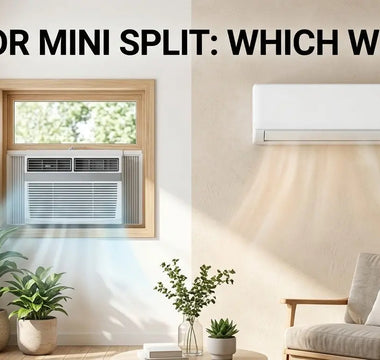



2026 Climate Solution Guide
Mini Split AC and Heat Systems: Your All-in-One Climate Solution for 2026
Most homeowners know this moment all too well: you're standing in a sweltering living room in July, mentally adding up the repair bill for an aging central AC, then immediately worrying about what happens when the furnace starts acting up in November. Two old systems. Two maintenance contracts. Two things to stress about.
What if you could swap both out for one quieter, smarter system that costs less to operate and may even qualify for federal tax credits?
That’s not hype. That’s where mini split AC and heat systems stand in 2026—and this guide gives you the full, unfiltered picture before you spend a single dollar.
One System, Two Seasons: How Mini Splits Replaced the Furnace-and-AC Stack
The traditional American home relies on a two-machine climate setup: a gas furnace for winter and a central air conditioner for summer. Separate ductwork. Separate fuel sources. Separate service lives. That arrangement made sense in 1975. In 2026, it’s redundant by design.
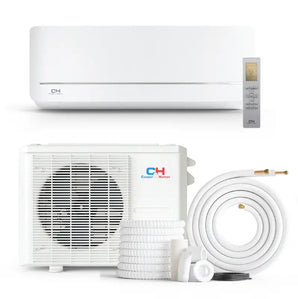
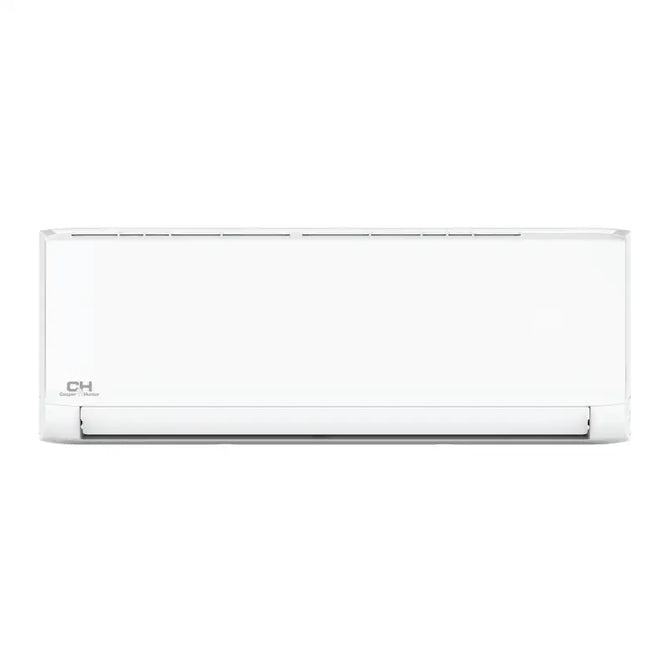
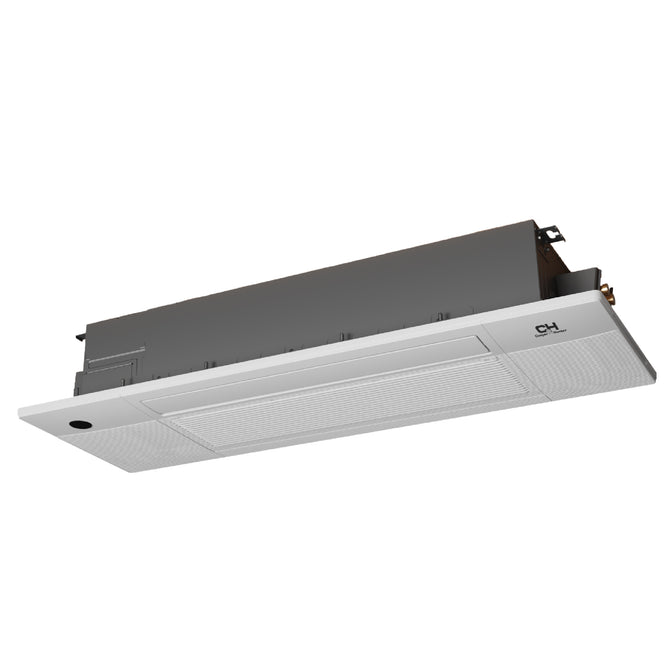
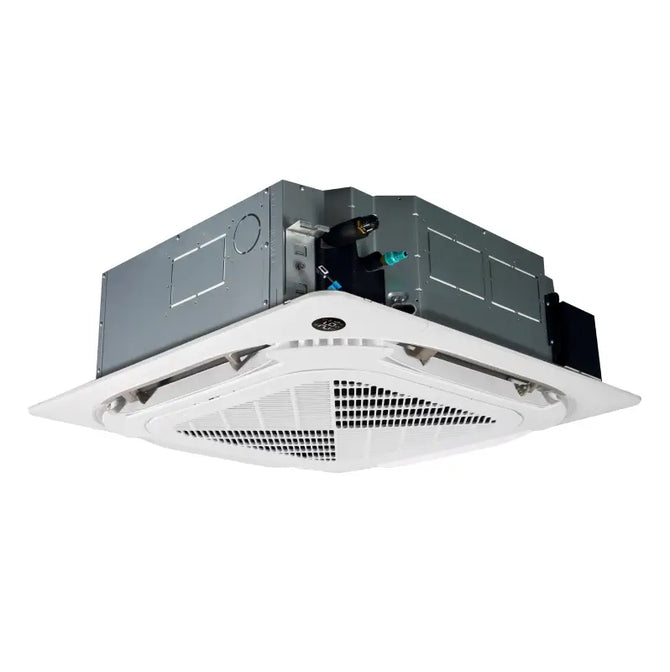
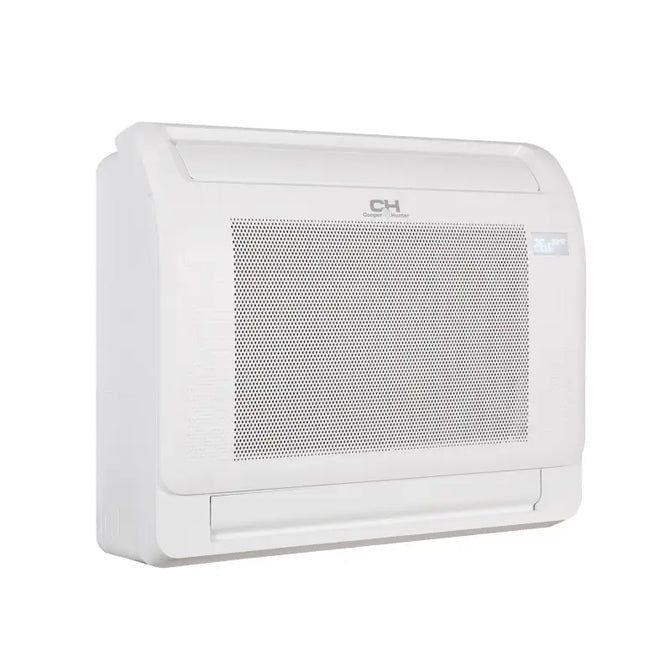
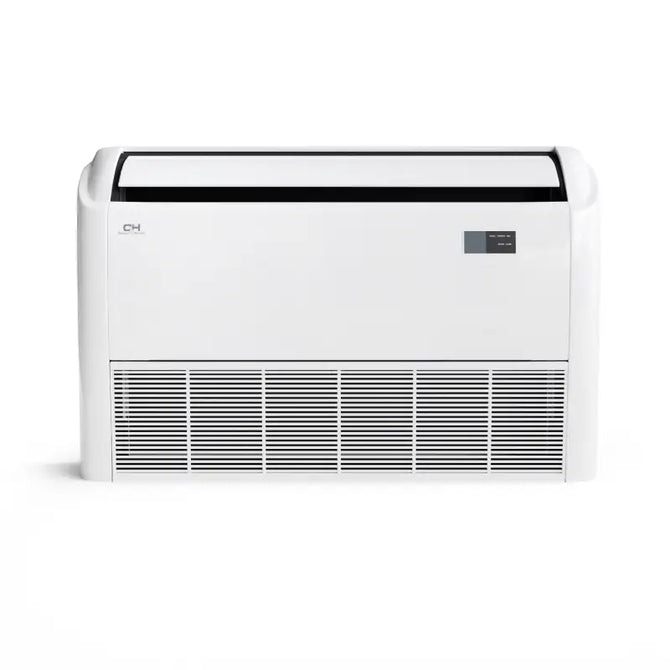
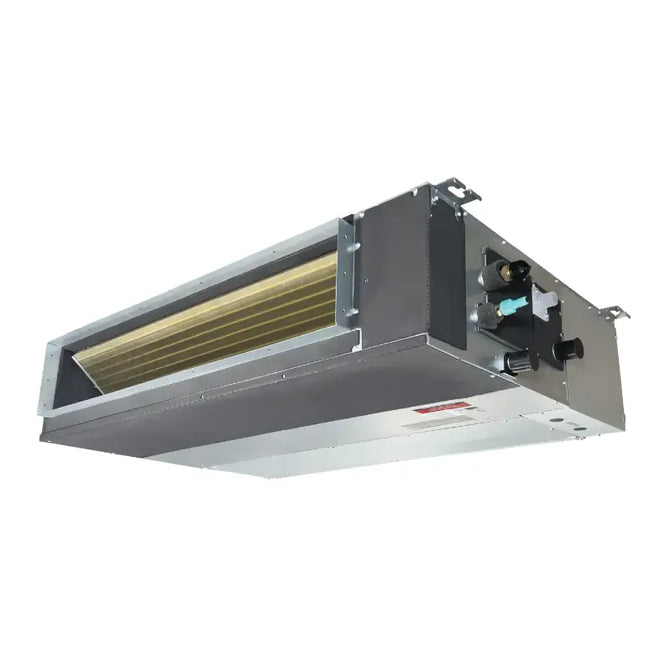
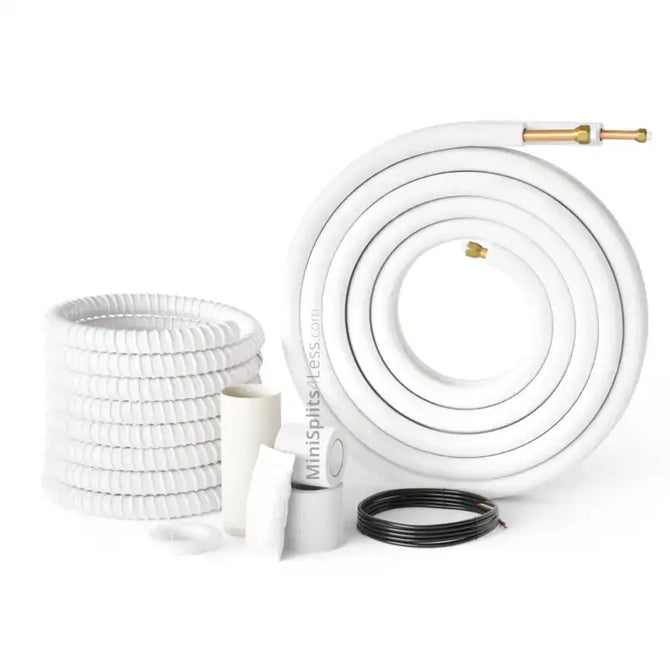
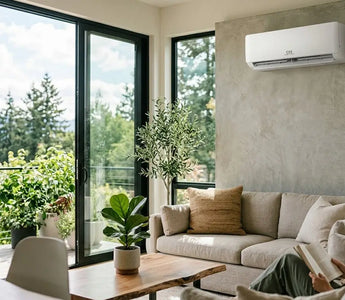
A ductless heat pump—also known as a mini split—works on a surprisingly simple principle. One outdoor condenser connects through refrigerant lines to one or more indoor air handlers. In summer, the system moves heat out of your home. In winter, it reverses course and pulls heat energy from the outdoor air, even when temperatures are far colder than most people expect, then brings that warmth indoors.
No combustion. No duct losses, which the U.S. Department of Energy estimates at 20–30% in typical homes. No juggling separate systems.
The inverter-driven compressor is the key piece. Unlike conventional systems that simply switch on and off, an inverter compressor constantly adjusts output—running at 30% capacity on a mild day, then ramping up to 100% during a polar vortex. The payoff? More stable indoor temperatures, lower peak electricity demand, and efficiency numbers central systems just can’t reach.

Yes, Mini Splits Heat in Winter—Here's the Performance Data
Let’s tackle the biggest concern head-on, because this is the one that stops more buyers than anything else:
"Will a mini split actually heat my house when it's 10 degrees outside?"
For standard mini splits: generally yes, though efficiency drops as temperatures fall. For cold-climate heat pumps—often called hyper-heat units—the answer is a clear yes, down to temperatures that would make your car complain.
The benchmark that matters is ENERGY STAR’s Cold Climate Air Source Heat Pump (ccASHP) designation, which requires a minimum Coefficient of Performance (COP) of 1.75 at 5°F. In plain English, that means even at 5 degrees Fahrenheit, a qualifying unit delivers 1.75 watts of heat for every 1 watt of electricity it uses. A gas furnace, by contrast, converts fuel to heat at roughly 80–98% efficiency—but that’s a different thermodynamic process entirely, because heat pumps don’t “create” heat; they move it.
Top 2026 models go even farther:
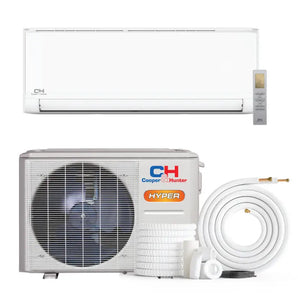
- Cooper & Hunter Hyper Heat: Rated heating capacity maintained to -13°F, operational to -22°F
- Olmo Hi-Inverter: Efficient heating performance built to handle extreme drops down to -4°F
- Bravo Eco Comfort: Reliable and stable heating operation in standard winter climates down to 5°F
These are not quirky lab-only numbers. Field data from homeowners in Minnesota and Vermont using these systems shows steady, comfortable indoor temperatures without backup heat during the vast majority of winter events.
Cold-Climate Performance by U.S. Region (Zones 4–7)
The International Energy Conservation Code (IECC) divides the U.S. into climate zones. Here’s the straight, zone-by-zone verdict for mini split heating performance in 2026:
| IECC Zone | Typical Location | Winter Design Temp | Standard Mini Split | Hyper-Heat Mini Split | Backup Heat Needed? |
|---|---|---|---|---|---|
| Zone 4 | Kansas City, Baltimore | 10–20°F | ✅ Capable | ✅ Excellent | Rarely |
| Zone 5 | Chicago, Denver, Boston | 0–10°F | ⚠️ Reduced output | ✅ Capable | Prudent for extremes |
| Zone 6 | Minneapolis, Burlington | -10–0°F | ❌ Insufficient | ✅ Capable | For sub -15°F events |
| Zone 7 | Fairbanks, Northern MN | Below -10°F | ❌ Not recommended | ⚠️ Operational, reduced | Yes—electric or wood backup |
Key takeaway: In Zones 1–5, a properly specified hyper-heat mini split system is a legitimate sole-source heating solution. In Zones 6–7, it covers 90–95% of annual heating hours and only needs backup heat during unusual extreme events.
Cooling Performance: SEER2 Ratings That Beat Central AC
Heating tends to get all the attention. Fair enough. But the cooling performance deserves just as much attention, because this is where mini splits honestly make central air look outdated.
SEER2 (Seasonal Energy Efficiency Ratio 2) is the post-2023 DOE efficiency standard, based on a more realistic M1 blower test. Put simply, SEER2 numbers line up better with what you actually pay on your power bill.
Current benchmarks:
- Central air conditioners: Top-tier models peak near 18–21 SEER2
- Standard mini splits: 20–26 SEER2 is common
- Premium mini splits : 28–33+ SEER2
A 33 SEER2 system is roughly 60% more efficient than a 20 SEER2 central AC under the same cooling load. For a 2,000 sq ft home, that gap can mean $400–$700 in annual cooling savings, depending on local electricity rates.
Then there’s comfort—the part efficiency labels dont fully show. Because the inverter compressor keeps adjusting instead of cycling hard on and off, mini splits hold a much tighter temperature range (±0.5°F vs. ±2–3°F with cycling systems) and remove humidity more effectively. That sticky, clammy feel on a muggy July afternoon? Mini splits deal with it much better than conventional systems.
The Value Equation: Equipment, Installation, and Financial Incentives
Understanding Your Investment
When evaluating the investment in a modern mini split system, it's essential to look beyond the initial sticker price. Total costs vary significantly based on your home's layout, local labor rates, equipment tier (standard vs. hyper-heat), and the complexity of the installation—such as the length of refrigerant lines, wall penetrations, or necessary electrical panel upgrades.
Rather than focusing on a single generalized estimate, consider the long-term value. Homeowners typically see a return on investment through reduced monthly utility bills, minimized maintenance (maintaining one system instead of two), and an extended equipment lifespan. We highly recommend consulting with multiple qualified HVAC professionals to get a comprehensive quote tailored to your specific property and heating needs.
Federal Tax Credits and Local Rebates
This is where the economics start to shift. Under current federal initiatives, ENERGY STAR-certified mini split heat pump systems may qualify for valuable tax credits. These federal incentives are often stackable with state and local utility rebates, which can substantially lower your overall effective cost.
Because tax laws, rebate programs, and individual eligibility can vary widely, these incentives represent a significant opportunity to upgrade your home's efficiency for less. Always research your state's specific energy programs before purchasing.
Important: Consult a licensed tax professional for your specific eligibility regarding federal and state incentives. Incentives generally require the system to meet current ENERGY STAR cold climate certification thresholds.
Break-Even Temperature: When a Mini Split Beats Your Gas Furnace
This is the question a lot of competitors tiptoe around. Let’s not.
A heat pump’s COP (Coefficient of Performance) falls as outdoor temperatures drop. In moderate weather, a mini split is dramatically cheaper than gas. The real question is: where’s the crossover point?
| Outdoor Temp | Heat Pump COP | Heat Cost per 100k BTU (at $0.14/kWh) | Gas Furnace Cost per 100k BTU (at $1.20/therm, 95% AFUE) |
|---|---|---|---|
| 47°F | 4.0 | $1.03 | $1.26 |
| 35°F | 3.0 | $1.37 | $1.26 |
| 20°F | 2.0 | $2.06 | $1.26 |
| 5°F | 1.5 | $2.74 | $1.26 |
*At 2026 average U.S. electricity rate of ~$0.14/kWh and natural gas at ~$1.20/therm.
The break-even temperature in most U.S. markets is approximately 30–35°F. Above that point, your mini split usually costs less to run than a gas furnace. Below it, gas tends to hold a slight marginal-cost advantage.
Here’s the bigger strategic point: in most of the continental U.S., temperatures under 35°F make up a minority of total heating hours—even in colder regions. Minneapolis, for example, averages roughly 2,300 heating hours per year, and fewer than 800 of those fall below 30°F. So for most of the heating season, the ductless heat pump still comes out ahead economically.
Decoding HSPF2: What the New Numbers Actually Mean
A quick note for buyers who like to read the spec sheet closely. The DOE moved to HSPF2 testing in 2023 using a tougher, more realistic protocol. Old HSPF numbers are not directly comparable.
A rough conversion looks like this:
| HSPF (old) | HSPF2 (new) | Real-World COP Range |
|---|---|---|
| 10 | ~8.2 | 2.5–3.0 |
| 12 | ~10.0 | 3.0–3.5 |
| 14+ | ~11.5+ | 3.5–4.0+ |
When comparing models, always use HSPF2 for apples-to-apples comparison. A unit marketed as “HSPF 14” under the old method may perform about the same as a model rated HSPF2 11.5. That difference matters when you’re estimating 10-year energy costs.
Sizing and Configuration: Single-Zone, Multi-Zone, or Whole-Home
Getting the BTU sizing right is the most important decision in any mini split purchase. Go too small, and the system will struggle on extreme days. Go too large, and you get short cycling—the unit reaches the setpoint too quickly, shuts off, and doesn’t run long enough to dehumidify properly. Then that clammy-house feeling is back.
Quick-Reference Sizing Framework
Use this as a starting point, then confirm final specs with a Manual J load calculation:
| Space Type | Square Footage | Recommended BTU Range |
|---|---|---|
| Single room / studio | 150–350 sq ft | 9,000 BTU |
| Large room / open plan | 350–700 sq ft | 12,000–18,000 BTU |
| Small apartment / zone | 700–1,000 sq ft | 18,000–24,000 BTU |
| Whole home (single zone) | 1,000–1,500 sq ft | 24,000–36,000 BTU |
| Multi-zone whole home | 1,500–3,000+ sq ft | Multi-zone system, 2–5 indoor units |
Adjustment factors that increase BTU needs:
- Poor insulation or older construction (+15–25%)
- High ceilings (>9 ft) (+10%)
- Large windows, south-facing glass (+10–20%)
- Climate Zone 6–7 (+15%)
Adjustment factors that decrease BTU needs:
- Recently insulated attic and walls (-10–15%)
- Shaded exposure (-10%)

Single-Zone vs. Multi-Zone: The Decision Tree
Choose a single-zone mini split if:
- You’re conditioning one room, an addition, a garage, or a detached structure
- You’re supplementing existing central HVAC in a trouble spot
- Budget is your main constraint
Choose a multi-zone mini split if:
- You want whole-home coverage from one outdoor condenser
- You have 2–8 separate areas with different comfort needs (bedroom vs. living room)
- You’re replacing central HVAC completely
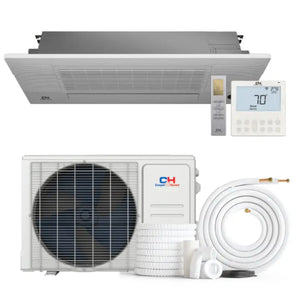
Multi-zone systems connect several indoor air handlers to one outdoor unit through a single refrigerant circuit. It’s an efficient setup, but it needs careful design—each indoor unit’s BTU capacity has to match both the condenser’s total output and the load of the room it serves. This is where a qualified HVAC professional who understands AHRI-certified system combinations really matters.
Is a Mini Split AC and Heat System Right for Your Home?
Run through these three questions. They’ll tell you more than any glossy brochure ever will.
What's your climate zone?
If you’re in Zones 1–5, a cold climate heat pump mini split can serve as your main—and possibly only—heating and cooling system. If you’re in Zone 6–7, plan on having supplemental backup for the coldest 50–80 hours of the year.
Do you have existing ductwork you want to keep?
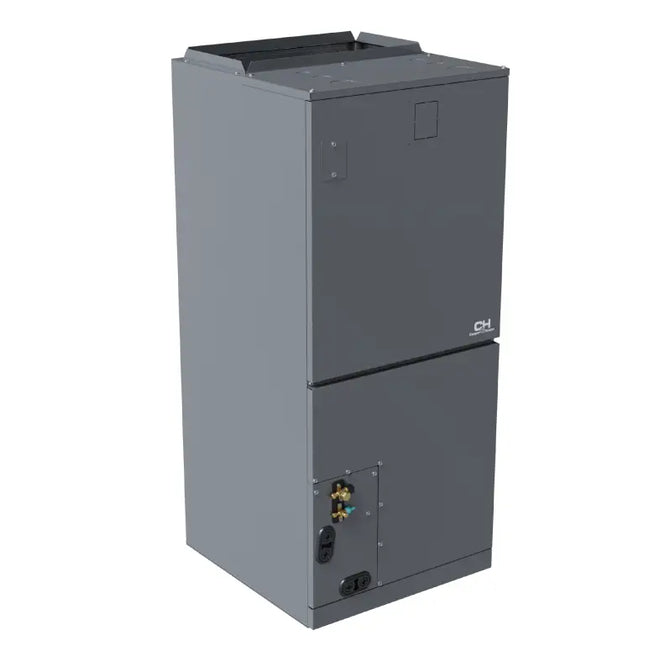
If your home already has working central ductwork, a ducted mini split or cold climate central heat pump may cost less than going fully ductless. If your home has no ducts—or the existing ducts are old, leaky, or hard to extend—a ductless mini split is usually the cleaner answer.
What's your 10-year financial horizon?
Include the equipment and installation cost, subtract federal and state rebates plus tax credits, then add the projected annual energy savings compared with your current system. For most homeowners replacing equipment older than 10 years, the 10-year total cost of ownership favors the mini split. Sometimes by a lot.
If you answered Zone 1–5, ductless or flexible on ducts, and you’re replacing aging equipment, you’ve got a strong case for going all-in on a mini split AC and heat system.
FAQ: Mini Split AC and Heat Systems
Do mini splits work as well for heating as they do for cooling?
Yes—if they’re properly sized and matched to your climate zone. Cooling efficiency is measured in SEER2; heating efficiency in HSPF2. You need to evaluate both. A unit with great SEER2 but weak HSPF2 is not a true all-season system.
Can one mini split heat and cool an entire house?
A single-zone unit usually serves 350–1,500 sq ft effectively. Whole-home coverage requires a multi-zone condenser with 2–8 indoor air handlers connected by shared refrigerant lines—one outdoor unit, multiple indoor zones.
What's the lifespan of a mini split AC and heat system?
Expect 15–20 years with annual professional maintenance. That’s comparable to a quality central AC and noticeably longer than most gas furnaces, which average 15–18 years in real-world use.
Do I still need a backup heat source with a mini split?
In IECC Zones 1–5, a properly specified hyper-heat mini split is enough as a sole-source heating system. In Zones 6–7, a small electric resistance strip or supplemental wood heat is smart for rare sub -15°F events.
Your Next Step Toward Year-Round Comfort
The case for a mini split AC and heat system in 2026 is stronger than it has ever been. Efficiency ratings have moved past central systems. Cold-climate performance has crushed the old “heat pumps don’t work in winter” myth. And federal incentives have made the numbers attractive enough that replacing both your furnace and air conditioner with one elegant system is no longer a bold move—it’s the rational one.
The path forward:
Identify your IECC climate zone
(available at energycodes.gov)
Calculate your room or whole-home BTU load
using a Manual J tool or professional assessment
Compare SEER2 and HSPF2 ratings
side-by-side across brands—not legacy HSPF numbers
Check your federal and state incentive stack
before finalizing budget
Get at least two professional installation quotes
from HVAC contractors familiar with ductless systems
At minisplitsforless.com, you’ll find curated selections across every major performance tier, climate zone, and budget level—with transparent specs and straightforward pricing so you can make an informed choice without showroom pressure.
One system. Two seasons. Year after year, for the next 15–20 years.
A mini split AC and heat system uses a reversible inverter heat pump to cool in summer and heat in winter from one outdoor unit. Cold-climate 2026 models maintain rated heating capacity to -13°F and operate to -22°F, achieving COP 3.0–4.0—delivering 30–60% lower operating costs than electric resistance heat and matching natural gas above 30°F.
*Installation of mini split systems, including refrigerant line connections, must be performed by EPA 608-certified technicians. All electrical work should meet local code requirements. Verify current federal or state credit eligibility with a qualified tax professional. Rebate availability varies by state and utility provider.