



2026 Master Resource
Mini Splits FAQ: Top Questions US Homeowners Ask in 2026
Get definitive answers to your ductless heat pump questions with MiniSplitsForLess.
What is a mini split? Let's get one thing straight: a mini split moves heat—it does not generate it. An inverter compressor in the outdoor unit varies refrigerant flow to the indoor air handler through a sealed copper line set. This modulation delivers precise temperature control at 30–40% lower energy consumption than fixed-speed systems. No ductwork. No thermal loss.
Upgrading your home’s climate control is a massive financial commitment. Cost transparency? It's practically a joke in this industry. Most contractors hide behind "free estimates" and sales pitches. Welcome to your master resource. We stripped away the marketing fluff to build a pure, data-backed guide answering the most urgent questions homeowners actually face in 2026.
From decoding the real-world value of a SEER2 efficiency rating to navigating the mandated industry shift toward R-454B refrigerant, consider this your pre-purchase blueprint.
What Is a Mini Split and How Does It Actually Work?
Traditional central air conditioners blast air through leaky, dust-filled ductwork. Ductless units bypass the middleman entirely. You transfer heat instead of burning fossil fuels to create it.

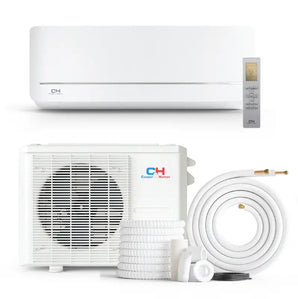
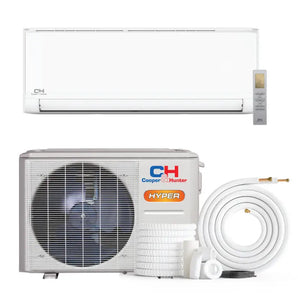
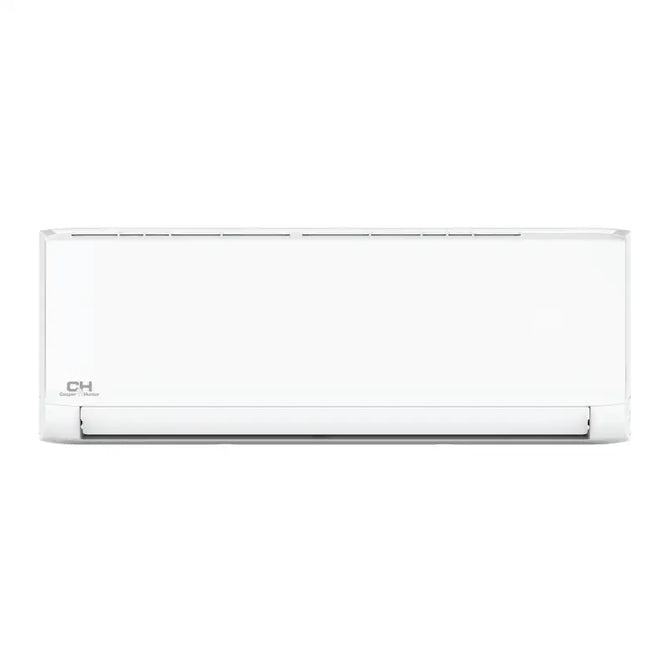
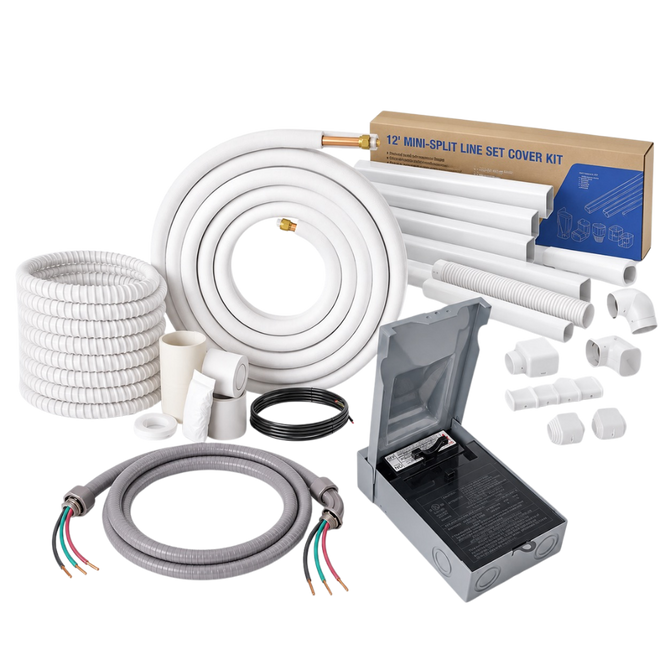
The setup is basic. Outside sits the condenser. Inside rests the air handler. Connecting them is a discrete conduit housing the power cable, copper refrigerant tubing, and a condensate drain.
Forget how standard ACs work. Those old systems are like a cheap light switch—they are either 100% on (sounding like a jet taking off) or 100% off. An inverter-driven mini split acts like a dimmer switch. It constantly analyzes room temperature and adjusts the compressor speed in micro-increments. You get quiet operation, absolute thermal consistency, and power bills that don't make you want to cry.
How Much Does a Mini Split Cost in 2026?
Let's break down the real numbers for 2026. Hardware is one thing. Labor is another entirely.
Equipment-Only Pricing by BTU
If you source the hardware yourself, expect these baseline equipment costs for premium, high-efficiency brands. Honestly, I've seen homeowners buy off-brand units to save $300, only to pay a grand when the cheap compressor fries a month out of warranty. Don't do it.
- 9,000 to 12,000 BTU (Single Zone): $800 – $1,400
- 18,000 to 24,000 BTU (Single Zone): $1,300 – $2,200
- 36,000 BTU (Multi-Zone Condenser + 3 Heads): $3,200 – $4,500
- 48,000 BTU (Multi-Zone Condenser + 4 Heads): $4,100 – $5,800
Trying to outfit a whole house? Review our multi-zone configuration cost breakdown.
Installed Cost by Region
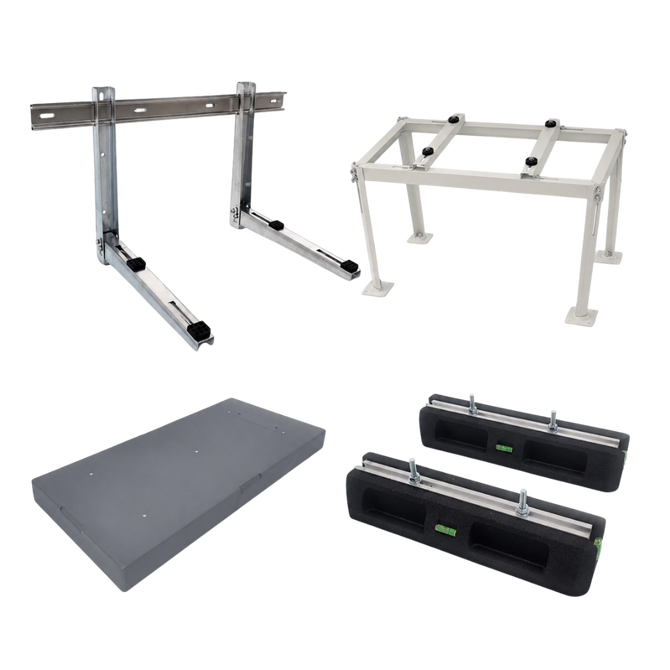
Labor rates vary wildly. Equipment usually eats up about 55–65% of your total invoice. The rest goes to electrical disconnects, wall brackets, line set covers, and licensed HVAC labor. Speaking of brackets: insist on stainless steel or heavy-duty powder-coated aluminum. I’ve seen cheap steel brackets rust through and drop a 100-pound condenser off a wall in a single season.
| US Region | Single-Zone Install (Total) | Multi-Zone Install (Total) |
|---|---|---|
| South (FL, TX, GA) | $2,500 – $4,200 | $5,500 – $10,500 |
| Northeast (NY, MA, PA) | $3,800 – $5,800 | $7,500 – $14,000 |
| Midwest (IL, MI, OH) | $2,900 – $4,800 | $6,200 – $12,000 |
| West Coast (CA, WA, OR) | $4,000 – $6,500 | $8,000 – $15,500 |
*Note: Panel upgrades or 50+ foot line sets will shove these estimates right to the top tier.
How Are Mini Splits Installed? (Timeline & Process)
Plan for one dedicated working day for a single zone. Multi-zone systems will tear up your house for two or three days. The standard licensed installation looks like this:
Standard 9-Step Installation Process
Calculate precise loads
Verify room dimensions and thermal loss factors.
Mount the indoor bracket
Secure the metal plate directly to wall studs.
Drill the exterior hole
Core a precise 3-inch passage for the line set.
Run the connections
Feed copper lines, wiring, and drain pipe outdoors.
Set the outdoor condenser
Mount on a specialized resin pad or wall bracket.
Flaring and torquing
Create flawless, leak-proof connections at the copper joints.
Pressure test the system
Pressurize with dry nitrogen to ensure system integrity.
Pull a deep vacuum
Remove all non-condensables and moisture from the lines.
Release the refrigerant
Open the service valves to safely charge the system.
Can you DIY? Sure. YouTube makes it look like putting together Legos. Pre-charged DIY systems are technically legal without an EPA Section 608 certification. But here's the reality check: doing it yourself voids the warranty on roughly 80% of the premium equipment out there. Mess up a single flare connection, and you just vented $300 worth of refrigerant into the atmosphere.
What Size Mini Split Do I Need? (BTU by Square Footage)
Bigger is better, right? Wrong. That's the most common mistake homeowners make.
Oversize the unit, and it short-cycles. Your room gets cold, but the humidity stays high. You end up shivering in a clammy room. Undersize it, and the compressor burns out trying to keep up. It's that simple.

The standard baseline is 20 BTU per square foot of conditioned space. A 500-square-foot garage generally needs a 10,000 to 12,000 BTU unit.
But square footage is just the starting line. Got a kitchen? Bump the BTUs by 15% to fight appliance heat. Got a massive west-facing window baking in the afternoon sun? Add another 10%. Don't guess. Study our complete BTU sizing methodology before you hit checkout.
Are Mini Splits Efficient Enough for Cold US Climates?
I still get people asking if heat pumps turn into useless ice blocks in January. Maybe in 2010. Today? Not even close.

Modern "hyper-heat" or extreme cold climate heat pumps deliver 100% of their rated capacity down to -5°F, and keep pushing out heat at -13°F to -22°F. They use enhanced vapor injection (EVI) and dual-stage compressors to pull it off.
When buying for a freezing climate, ignore standard SEER2. Look directly at the HSPF2 (Heating Seasonal Performance Factor). A rating of HSPF2 9.0 or higher is your guarantee it won't quit in a blizzard. Plus, it qualifies the unit for the 25C federal tax credit under the IRA.
R-410A vs. R-454B: Which Refrigerant Should I Buy in 2026?
Here is the harsh truth. The industry is being forced into a massive chemical shift. Legacy R-410A refrigerant (GWP of 2,088) is dead walking. The new 2026 standard is R-454B refrigerant, an A2L-class fluid with a GWP of just 466.
Should you care? Yes.
Installing an older R-410A system might be slightly cheaper today, but the supply of that gas is being strangled by regulations. Five years from now, a simple recharge on an R-410A system will cost you a small fortune. Buying R-454B secures your investment. Read up on the chemistry in our R-454B refrigerant transition explained.
How Long Do Mini Splits Last? (Lifespan & Maintenance)
15 to 20 years. That's the promise. But only if you actually maintain it.
I've pulled filters out of three-year-old units that looked like they were growing sweaters. Wash the damn filters every four weeks. Ignored filters choke airflow, force the blower wheel into overdrive, and slaughter your energy efficiency. Seriously, it takes five minutes.
Every two years, bite the bullet and hire a tech for a deep clean. They’ll use a specialized chemical foam on the indoor coil to kill the mold you didn't know you were breathing, and pressure-wash the outdoor condenser fins.
Mini Split vs. Central Air vs. Window AC: Which Wins?
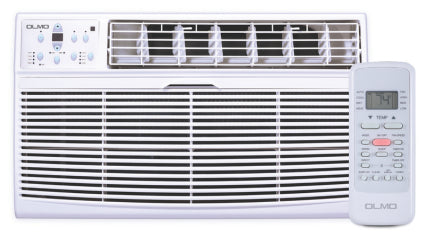
Window units are loud, ugly, and practically invite burglars inside. Central air is great—if you already have the ductwork. If you don't, dropping ceilings and tearing open walls to run sheet metal is a remodeling nightmare.
| Feature | Ductless Mini Split | Traditional Central Air | Standard Window AC |
|---|---|---|---|
| Efficiency (SEER2) | Extremely High (19–38) | Moderate to High (14–22) | Low (10–12) |
| Noise Level | Whisper Quiet (19–32 dB) | Moderate (Duct noise) | Very Loud (50+ dB) |
| Installation Intrusiveness | Minimal (3-inch wall hole) | High (Requires ductwork) | Low (Sash window only) |
| Zoning Capability | Superior (Per-room control) | Poor (Whole house uniform) | Single room only |
| Security Risk | None | None | High (Window vulnerability) |
If your house lacks existing ducts, the mini split wins. Flawless victory.
Expert FAQ: Top 4 Quick Answers
1. Do mini splits work below freezing?
Yes. Modern hyper-heat units run flawlessly down to -13°F at their full rated capacity. Standard entry-level units derate around 23°F—meaning they produce less heat as it gets colder. Don't skimp on hyper-heat if you live in the north.
2. How long do mini splits last?
15 to 20 years. But you have to clean the filters. Premium brands back their compressors with 7 to 10-year parts warranties—but read the fine print. That warranty usually requires installation by a certified contractor.
3. Do mini splits dehumidify?
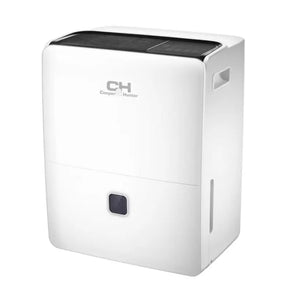
Better than you think. Dedicated "Dry Mode" pulls 1 to 3 pints of moisture per hour without freezing you out of the room. It crushes portable dehumidifiers in energy efficiency. Check the data in our Dry Mode dehumidification performance brief.
4. Can one outdoor unit power multiple rooms?
Yes. Multi-zone condensers can run two to five indoor air handlers off a single outdoor chassis. One central refrigerant circuit, but completely independent temperature control for every room.
Related Questions
- Will a ductless unit actually increase my home’s appraisal value?
- How often should I really clean the reusable air filters?
- Can a mini split be installed on an interior wall?
- Do I need a dedicated electrical circuit for a 12,000 BTU unit?
A2L/A3 refrigerants require installation by licensed technicians; local codes may vary.
Jump straight to our curated 2026 buyer's guide to top-rated units or explore to build your perfect system today.