




The 2026 Retrofit Guide
Mini Splits for Older Homes Without Ductwork
Look, I love old homes. I’ve spent more weekends than I can count admiring solid hardwood floors, intricate plaster moldings, and the kind of craftsmanship you just can't buy anymore. But let’s be brutally honest for a second. When a July heatwave hits, or a deep winter freeze sets in, living in a pre-1970s house can be a special kind of misery.
The lack of modern central air conditioning is a glaring issue. Most of us end up wrestling with noisy, ugly window units that barely take the edge off in high-ceiling rooms, or we trip over portable ACs that do little more than spin our electric meters.
You want comfort. But if you’re anything like me, you absolutely refuse to destroy your home's historic integrity to get it.
After years of seeing older properties butchered by invasive HVAC retrofits, I can tell you that the solution is a ductless mini split system. By ditching the bulky metal ductwork, you can bring state-of-the-art climate control to historic properties without sacrificing an inch of closet space or damaging original woodwork. Whether you are trying to preserve a classic American Victorian or a solid mid-century masonry house, mini splits for older homes without ductwork are pretty much the ultimate zero-compromise upgrade.
The Ductwork Nightmare (and Why We Avoid It)
Older homes were simply not built for forced-air systems. Traditional HVAC requires massive ceiling or floor cavities to run ductwork. I’ve seen contractors tear into vintage houses, resulting in dropped ceilings, ruined plaster, and lost square footage. Honestly, it's an architectural crime.
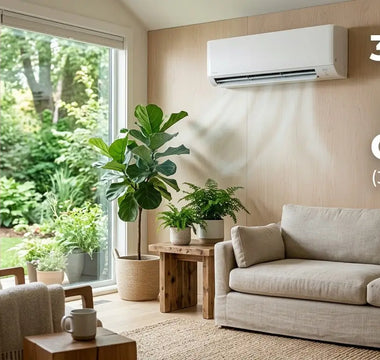
A heat pump for historic house preservation solves this completely. Instead of relying on a centralized air handler trying to force air through leaky metal tubes, a mini split delivers conditioned air directly right where you need it. You preserve your walls, you reclaim your window space, and you actually get to control the temperature. Because old houses often feature wildly varying temperatures, a ductless mini split system lets you set the bedroom to a cool 68°F for sleeping, while keeping the parlor at a modest 72°F.

The Reality of Sizing for Drafty Houses
When figuring out BTU sizing for old homes, standard rules of thumb go right out the window. A modern house might only need 20 BTUs per square foot. In my experience, an older, uninsulated house easily requires 25 to 30 BTUs per square foot just to offset the drafts and thermal loss. You also need to factor in large, sun-facing windows (add about 1,000 BTUs for each) and the number of people regularly using the room. Keep in mind that this is a rough estimate; over-sizing an inverter mini-split is just as harmful as under-sizing, leading to short-cycling and poor dehumidification. For the most accurate assessment, a professional Manual J load calculation is always best.
If you’re staring at your floor plan and scratching your head, don't guess. You can easily calculate the right BTU size using our sizing framework to make sure you aren't under-equipping your space.
Old homes also rarely feature open floor plans, which means air doesn't flow easily from room to room. Slapping one massive indoor head in the central hallway simply won't cool the corner bedrooms. That's why the single-zone vs multi-zone mini split debate usually ends with a multi-zone setup for historic homes. One outdoor compressor can power several smaller 6,000 or 9,000 BTU heads placed in individual closed-off rooms. If you're tackling a whole floor, check out our dual-zone setup guide to wrap your head around the layout strategies.
Installation Challenges: Plaster, Wires, and Studs
Working with a century-old property presents hurdles that require technicians who actually understand historic construction.
Working with Century-Old Plaster
Have you ever tried to drill through 100-year-old horse-hair plaster? It's a nightmare. If a contractor tries a plaster wall mini split installation with a standard drywall hole saw, the plaster will shatter and send massive cracks spider-webbing across your vintage wallpaper. They must use a specialized 3-inch diamond core drill on a low-speed setting, applying gentle pressure to cut cleanly through the lath without vibrating the wall.
Navigating Balloon Framing
Then there's the framing. Pre-1940s homes often use balloon-frame construction, where wall studs run continuously from the foundation to the roof. It makes running wires easier, sure, but the wall cavity acts like a chimney if a fire breaks out. Any penetrations made for your mini split have to be properly sealed with fire-blocking foam.
Updating Maxed-Out Electrical
And don't even get me started on the electrical. You might be hiding outdated knob-and-tube wiring or a maxed-out 100-amp panel. Even though modern inverter heat pump systems are highly efficient, most multi-zone and larger systems still need a dedicated 230V circuit. Have an electrician look at your panel before you buy anything.
Let's Talk Money and Aesthetics
People constantly ask me: Is it really cheaper than just adding ducts?
The financial math isn't just slightly better; it’s night and day. Adding central ductwork to an older home usually runs between $15,000 and $30,000. It requires extensive demolition and takes weeks. A ductless 2-zone mini split installation typically runs $5,000 to $9,000 (with multi-zone systems for 3–4 zones running higher), takes one to three days, and involves zero structural demolition. You just need a single 3-inch hole through the exterior wall to connect the indoor and outdoor units. Plus, you aren't losing 30% of your energy through leaky ducts.
But what about the aesthetics? I hear this all the time: "I don't want a modern plastic box clashing with my antique decor."
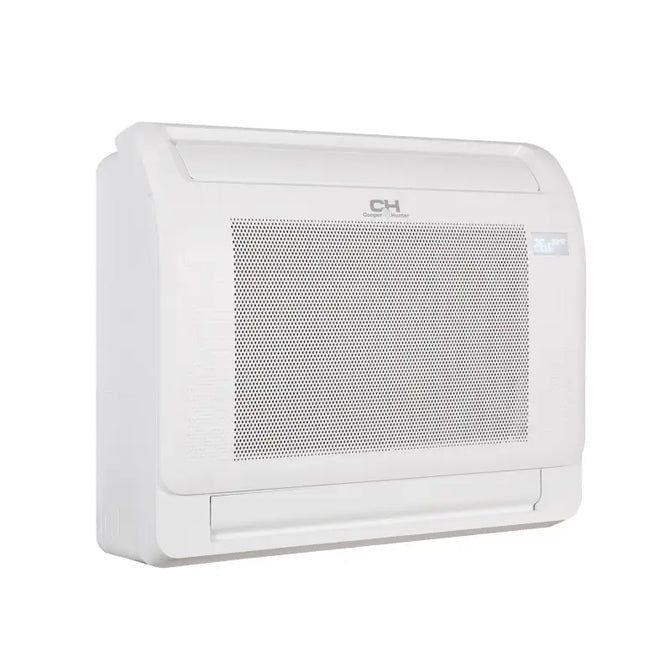
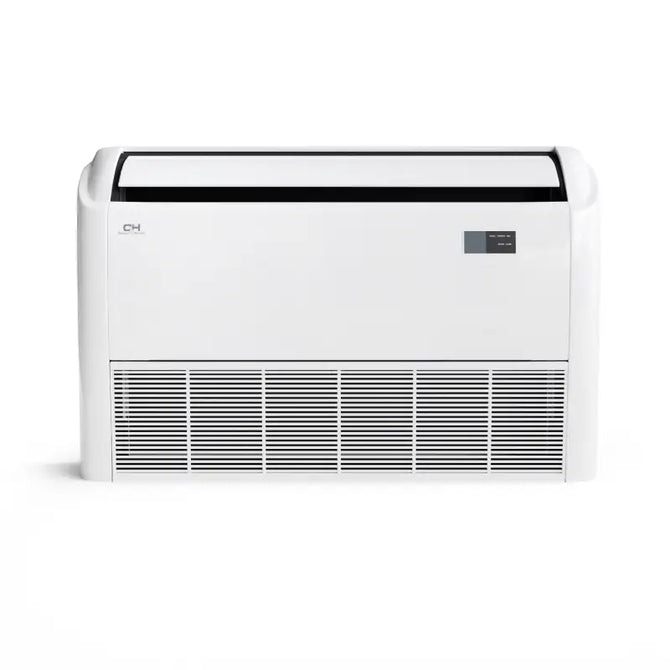
The good news is the industry has evolved. If you have an ornate Victorian and you're removing those massive old cast-iron radiators, you can replace them with mini floor console units. They sit low to the ground, fitting neatly beneath windows and preserving your wall space. For classic bungalows, wall-mounted heads placed high above sightlines blend in surprisingly well.
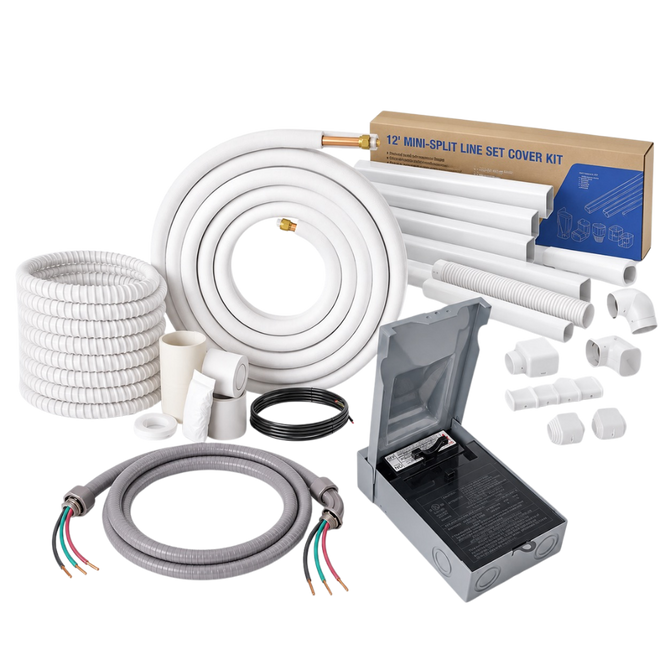
And for the love of architecture, do not leave bare refrigerant lines exposed on the outside of your house. It ruins the curb appeal. Conceal them neatly with decorative line set covers, which you can paint to perfectly match your exterior siding or brickwork.
Looking Ahead: The Best Systems for 2026
When outfitting a classic home, you need reliable, ultra-quiet equipment. You also need to look at where HVAC is heading. The industry is currently shifting toward environmentally friendly refrigerants. Older R-410A models are still widely available and more affordable, but if you want to future-proof your investment, look for R-454B systems, which offer better efficiency and a much lower global warming potential. Having R-454B refrigerant explained is worth a quick read to understand this transition.
As for my top hardware picks for 2026 retrofits:
- Cooper Hunter 18K BTU Mini Floor Console: My absolute favorite aesthetic choice for replacing under-window radiators in historic parlors.
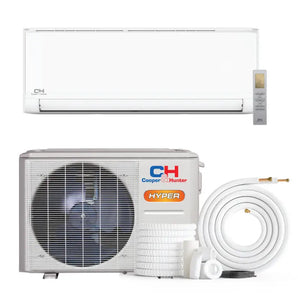
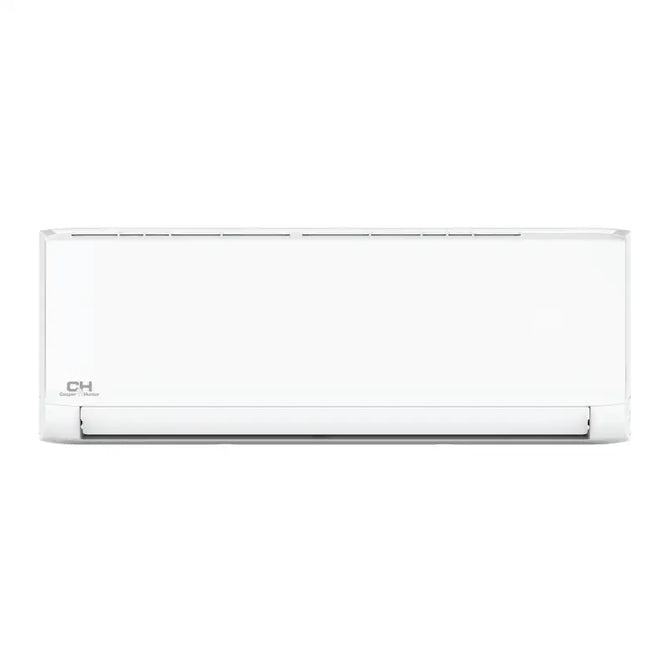
- Cooper Hunter Olivia 24K BTU 21 SEER: An absolute powerhouse if you have large, drafty living spaces, yet it operates at a whisper.
- 18K BTU 2-Zone (9K+9K) System: The sweet spot for balancing temperatures across two adjacent, uninsulated bedrooms on a second floor.
Upgrading an old home doesn't have to mean tearing down its history. With the right sizing, a bit of respect for the original plaster, and modern ductless technology, you can finally live comfortably in the home you love.
Frequently Asked Questions
How much does it cost to install a mini split in an older home?
A ductless 2-zone mini split installation typically runs $5,000 to $9,000 (with multi-zone setups for 3 or more zones being higher), taking one to three days with zero structural demolition. This is significantly cheaper than adding central ductwork, which usually costs between $15,000 and $30,000.
Do mini splits ruin the historic look of older homes?
No. Low-profile mini floor consoles can replace old cast-iron radiators and fit neatly beneath windows. Exterior refrigerant lines can be seamlessly concealed and painted to match your home's siding using decorative line set covers.
Can one mini split cool a whole multi-story old house?
Usually not. Older homes typically lack open floor plans, meaning air doesn't flow easily from room to room. A multi-zone mini split system, which connects several indoor heads to one outdoor compressor, is highly recommended for effectively cooling individual closed-off rooms.
Do old homes need more BTUs than modern ones?
Yes. Due to original single-pane windows, lack of insulation, and drafts, historic houses generally require 25 to 30 BTUs per square foot, plus an additional 1,000 BTUs for large sun-facing windows.
Ready to Retrofit Your Historic Home?
Bring powerful, whisper-quiet heating and cooling to your vintage property without sacrificing its architectural soul. Browse our top-rated ductless systems today.
Find the Perfect Fit*Disclaimer: Modern A2L refrigerants require installation by certified technicians; local building codes and regulations may vary.