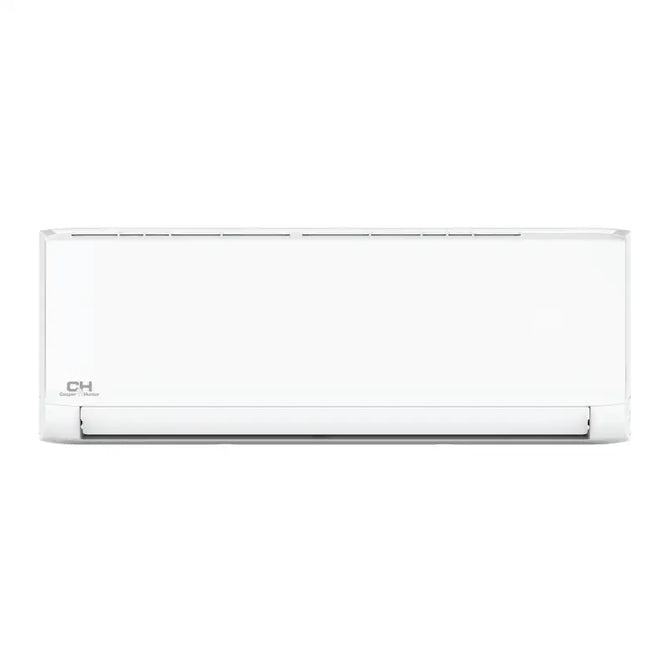
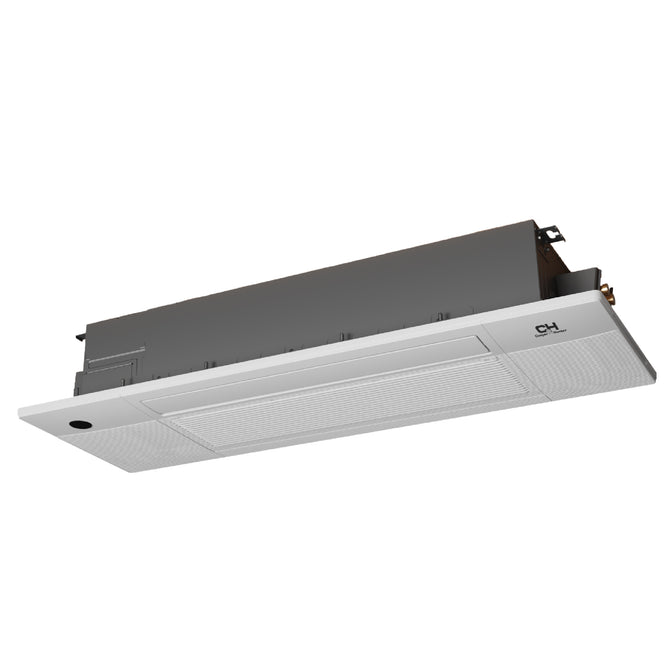
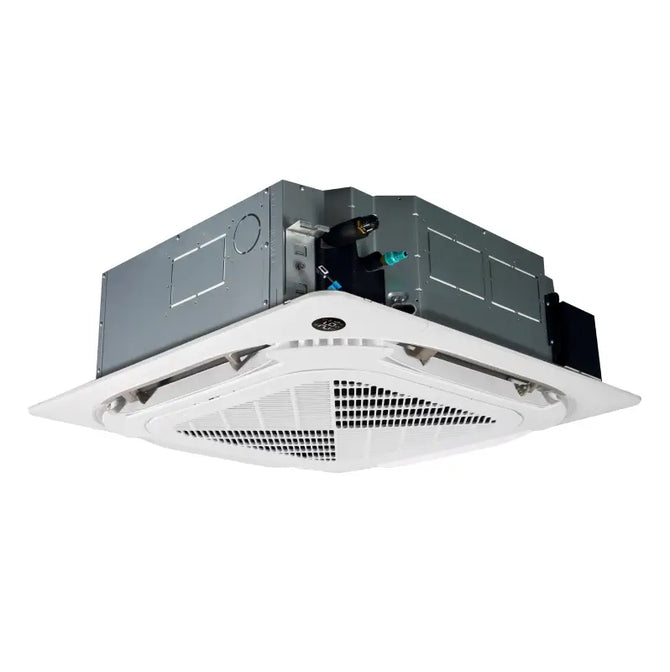
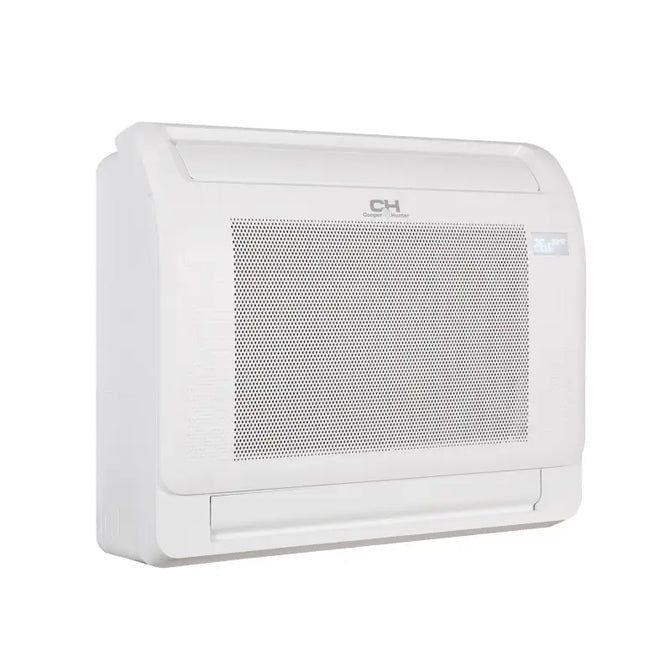




Procurement Strategy • HVAC Installation
The First Hot Week of Summer? Too Late to Shop for a Mini Split
Waiting for the first unexpected heat wave to buy a mini split guarantees high prices and installation delays. Early procurement ensures inventory, precision, and maximized long-term savings.
The first unseasonably hot 90-degree day triggers a chain reaction across the country. Local distributors sell out of optimized equipment instantly.

At MiniSplitsForLess, echoing U.S. Department of Energy warnings, we see the seasonal rush destroy project timelines [1]. Installation schedules vanish, prices surge, and reactive purchasing forces compromises on equipment quality and installation integrity. Proactive deployment is the only way to protect your capital and ensure uninterrupted comfort.
Key Takeaways
- Procuring systems before summer bypasses peak-season localized stockouts and 2026 tariff hikes.
- Early buyers secure compliant A2L (R-32 and R-454B) systems and elite technicians trained in the new 2026 installation standards.
- Early buyers secure precise multi-zone configurations instead of settling for leftover, sub-optimal stock.
- Pre-summer mini split installation guarantees access to elite technicians for flawless vacuum testing.
- Incentive Update: While the federal 25C tax credit expired on December 31, 2025, high-efficiency units still qualify for utility rebates. Early buyers have the best access to equipment that maximizes these local payouts.
- Property managers neutralize operational liabilities and protect rental yields by acting proactively.
The Mechanics of Peak-Season Scarcity

The heating and cooling industry operates on extreme demand curves. Analyzing these market forces reveals exactly how the peak-season HVAC market punishes late adopters.
Inventory Depletion and the A2L Transition
The hardware you need might not be available when the temperature spikes. Heading into 2026, raw material costs and new tariff measures are pushing equipment prices up by an estimated 4-5% [1, 2].
Furthermore, as of January 2026, new central AC and heat pump installations are mandated to use low-GWP A2L refrigerants, officially making R-32 and R-454B the new industry standard. It is important to note that while the A2L cylinder supply chain shortages of 2025 have been fully resolved—with distributors reporting excellent availability ahead of the cooling season—the hardware demand for these newly compliant systems is extremely high.
Summer heat waves trigger simultaneous, localized demand spikes. This immediate influx depletes regional warehouse inventories of optimal BTU configurations and exhausts the schedules of licensed installers, often pushing lead times from days to several weeks.
Late buyers are forced into corners. They accept lower-tier SEER2 ratings or mismatched capacities simply because their preferred units are backordered.
The Labor Deficit: Compromised Contractor Availability
Hardware availability does not equal operational readiness. The most severe bottleneck is human capital. According to Bureau of Labor Statistics data and recent industry reports, the skilled trades are experiencing a persistent labor deficit.
Crucially, the 2026 transition to A2L refrigerants requires updated installation practices, specialized tools, and modern safety training. Elite installation requires absolute precision, but during the summer rush, qualified contractors face high-volume, accelerated deployments. Rushed technicians are more likely to compromise on thorough nitrogen pressure testing and precise micron vacuuming. These calibration errors degrade long-term system efficiency.
Strategic Procurement: The Pre-Summer Advantage

Treating your climate control setup as an act of intelligent asset management changes the outcome.
The optimal window for ductless mini split procurement and installation is during the shoulder seasons of early spring or late autumn. Securing a system prior to the first summer heat wave bypasses peak-season hardware shortages and ensures access to highly qualified HVAC technicians versed in modern A2L protocols.
Securing Optimal System Configurations and Navigating Incentives
Early procurement offers the luxury of choice, which directly impacts your financial returns and efficiency capabilities.
For homeowners, securing the right equipment is crucial for maximizing long-term energy savings. Early buyers have access to a full inventory of ENERGY STAR Most Efficient-rated units — which may qualify for utility rebates of $300–$1,200 depending on your provider and location. Check available incentives at energystar.gov/rebate-finder.
(Internal Link Suggestion: Review our guide on [Choosing the Right BTU for Your Space])
Precision Installation vs. Rushed Deployment
Flawless execution requires time. Proper flaring, exact refrigerant charging, and deep vacuuming cannot be rushed.
| Installation Metric | Pre-Summer Deployment | Peak-Season Rush |
|---|---|---|
| Contractor Lead Time | 3 - 7 days | 3 - 6 weeks |
| Equipment Choice | Full catalog (ENERGY STAR Most Efficient) | Leftover, non-qualifying inventory |
| Testing Quality | Methodical micron vacuuming | Rushed pressure checks |
| Labor Costs | Standard rates | Emergency premiums |
Asset Management for Property Owners and Hospitality

For landlords, hotel operators, and property managers, thermal management must directly drive bottom-line ROI through operational efficiency and asset longevity. Since commercial properties require heavy-duty reliability, avoiding peak-season installation stress is even more critical.
Mitigating Operational Liability and Maximizing Yield
A malfunctioning system during July guarantees negative reviews, tenant churn, and immediate revenue loss. Emergency service calls carry heavy price premiums. By executing a pre-summer mini split installation, commercial property managers shift from reactive damage control to proactive risk mitigation.
Initiate procurement 45 to 60 days prior to historical peak temperature shifts. This buffers against freight transit times, secures premium contractor availability, and allows time to select the exact multi-zone setups required for your specific property layout.
(External Link: Check local climate trends via the National Weather Service to anticipate your region's heat shifts.)
The Proactive Deployment Protocol
Avoid the friction of the peak-season HVAC market. The industry-wide standardization of A2L refrigerants, updated installation practices, and shifting incentive landscapes mean that waiting is a financial risk. Assess your load calculations now. Secure the exact BTU capacity and ENERGY STAR Most Efficient rating your property demands.
Ready to outsmart the summer rush? Browse the extensive inventory at MiniSplitsForLess and initiate your strategic procurement today.
Beat the Rush: Shop Our Sale Collection
Don't wait until the first major heat wave triggers backorders and installation delays. Secure a premium, A2L-compliant mini split today at a fraction of peak-season prices.
Explore Sale ItemsFrequently Asked Questions
When is the best time to buy a mini split?
Why are mini splits harder to get in the summer?
How far in advance of summer should I schedule a mini split installation?
Does buying a mini split in the spring offer better equipment options?
Related Questions
Disclaimer: A2L/A3 refrigerants require installation by certified technicians trained in updated modern handling practices; local codes may vary. Consult a tax professional or your utility provider regarding current state, local, or utility incentive eligibility for your residential or commercial property.