


Complete Guide (2026)
Dual Zone Mini Split Setups: Complete Guide and Cost Breakdown
Keeping two different rooms comfortable shouldn't mean tearing your walls apart or draining your savings.
If you want top-tier temperature control in a master suite and a sunroom at the same time, a dual zone mini split is basically the gold standard. With 2026 efficiency standards looming and energy bills creeping up, messing with noisy window units or fighting with old central air just doesn't make sense anymore.
At MiniSplitsForLess, we talk to homeowners every day who want total control over their air without the nightmare of installing ductwork. This guide breaks down exactly how a 2 zone mini split actually works, how to get your BTU math right, and what you’ll really pay for the gear and the labor.
How Does a 2 Zone Mini Split System Work?
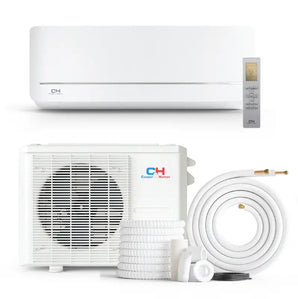
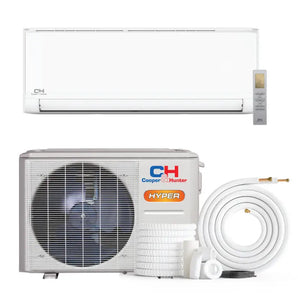
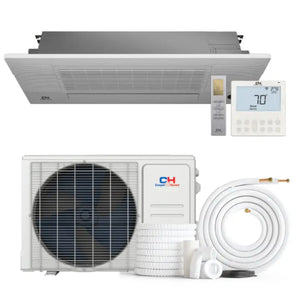
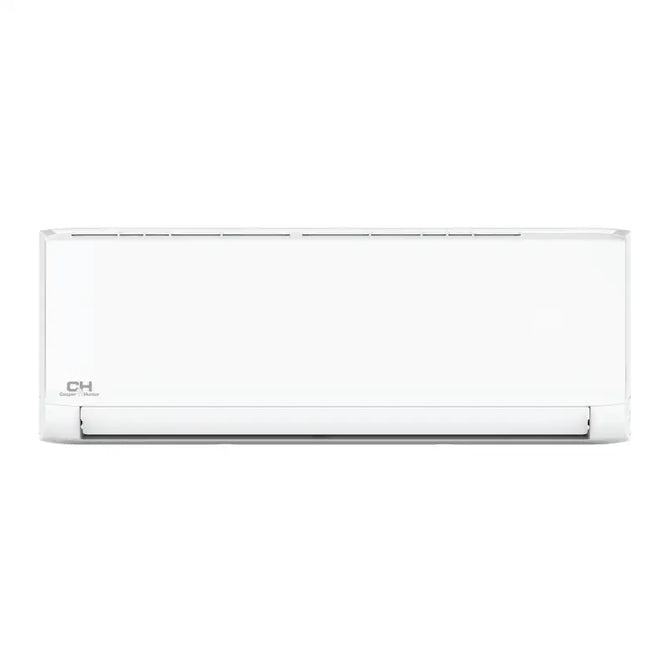
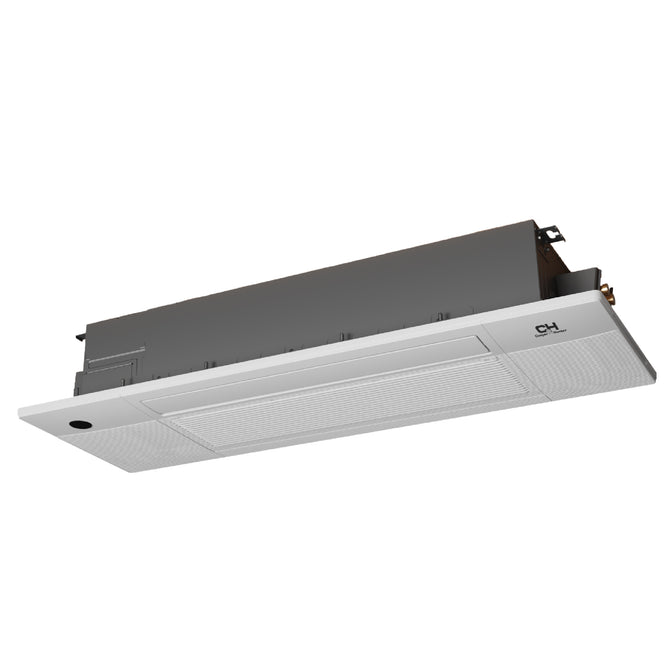
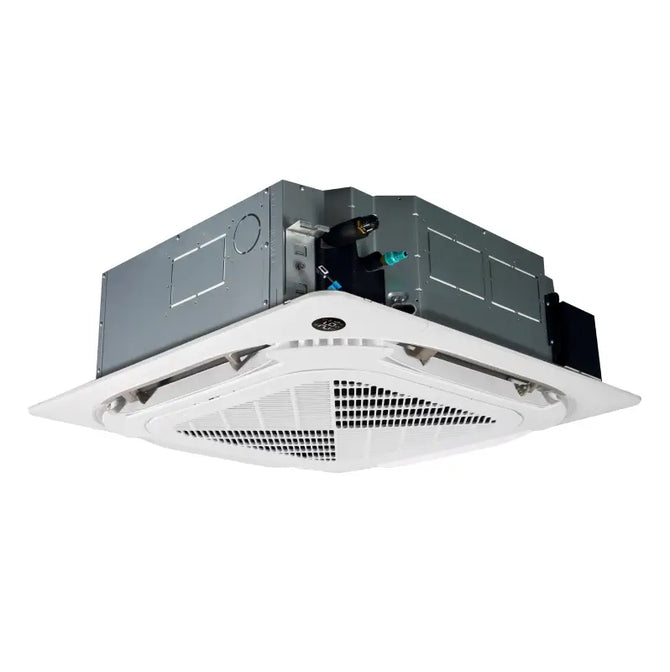
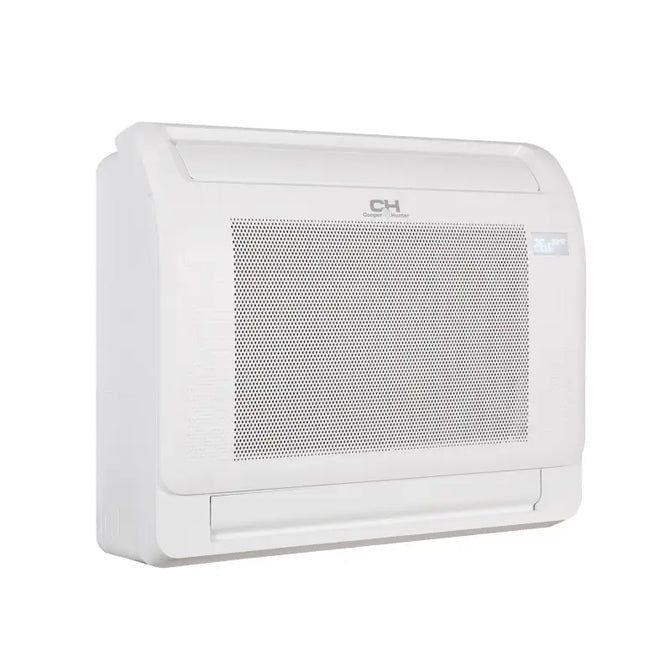
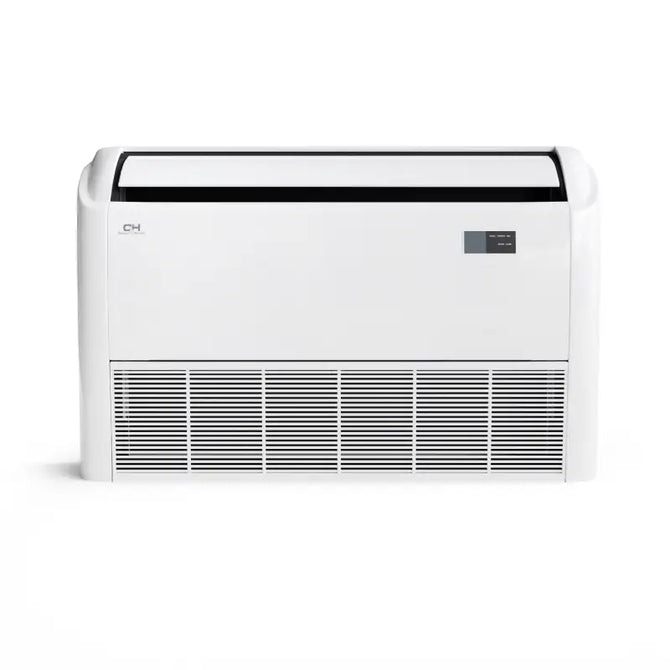
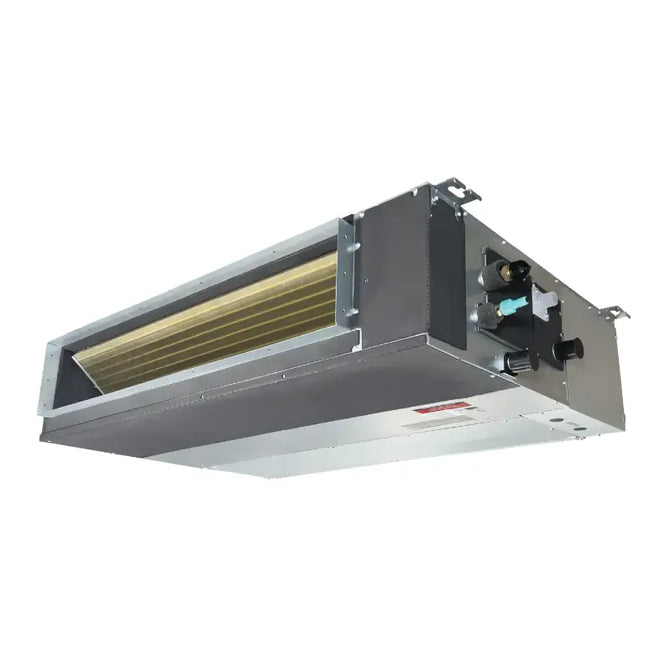
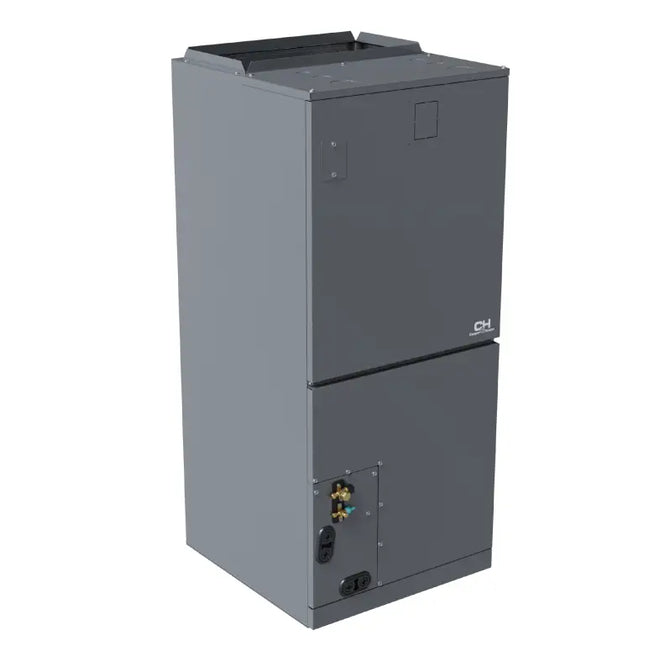
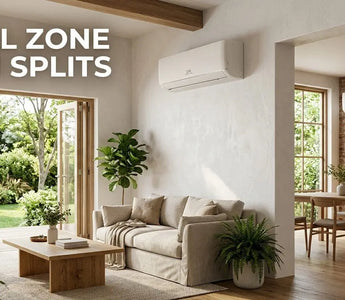
Can one mini split outdoor unit run two indoor units? Absolutely. A dual zone mini split system hooks up one outdoor multi-zone condenser to two separate indoor air handlers. It lets you set different temperatures in two different rooms at once. It's customized comfort without a single duct in sight.
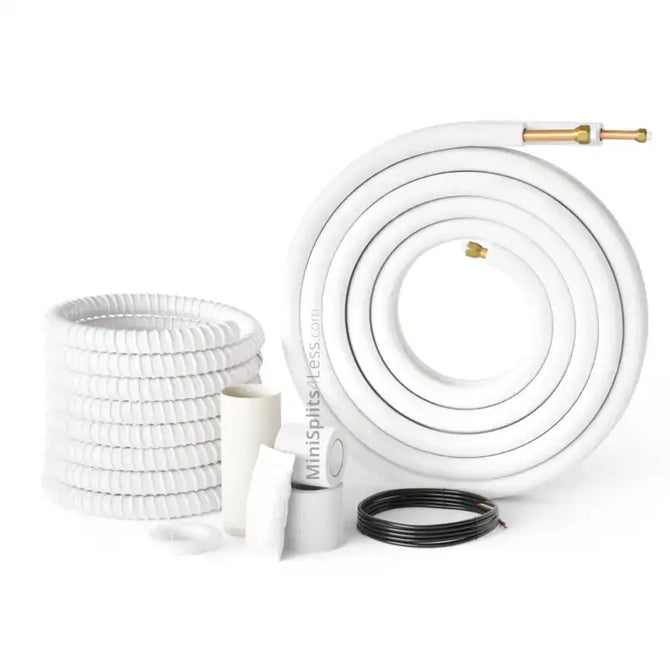
Traditional AC units force air through leaky, dusty ducts. A dual zone HVAC setup gets right to the point. The outdoor compressor connects to the indoor units via copper tubing and electrical wiring. Refrigerant moves back and forth, soaking up heat in the summer and pulling warmth from the winter air.

It’s reliable mini split ac and heat all year long. Thanks to inverter technology, the compressor doesn't just slam on and off. Instead, it adjusts its speed like a dimmer switch. The result? It's quiet. It's steady. And your power bill will finally drop. You can keep the home office at a brisk 68 degrees while the nursery stays at a perfect 72.
BTU Sizing: Matching Your Two Rooms
How do you size a dual zone mini split?
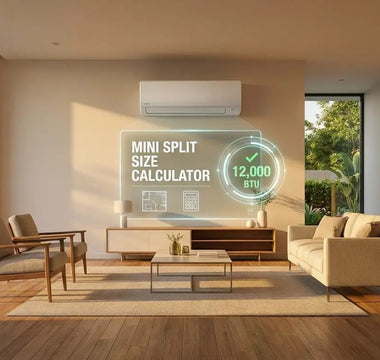
Do the math for each room on its own based on the square footage. Then, pick an outdoor unit with a total BTU capacity that matches or slightly beats the combined total of both indoor units.
Getting your BTU sizing right is what makes or breaks the whole project. British Thermal Units (BTUs) measure how much heat a mini split system can move in an hour. Don't fall for the trap of thinking both rooms need to be the same size. Modern systems are incredibly flexible.
- Small Rooms (100 - 300 sq ft): Think 6,000 to 9,000 BTUs.
- Medium Rooms (300 - 500 sq ft): Usually hits the 12,000 BTU mark.
- Large Spaces (500 - 800 sq ft): You’re looking at 18,000 BTUs or more.

Popular Dual Zone Configurations
When you shop at MiniSplitsForLess, you can play around with different capacities to fit your specific floor plan.
- The Symmetric Setup (12K + 12K): This is the go-to for two matching bedrooms. You'd pair these two units with a 24,000 BTU (2-ton) outdoor condenser.
- The Asymmetric Setup (9K + 18K): This is where it gets interesting for real-world homes. Imagine a 9,000 BTU unit for the master bedroom and an 18,000 BTU unit for an open living area. Hook them both to a 27,000 or 36,000 BTU condenser. This ensures you aren't freezing out a small room just to keep the living room bearable.
Dual Zone Mini Split Cost Breakdown (2026)
How much does a dual zone mini split cost?
Expect to pay between $1,500 and $3,500 for the hardware itself. Professional installation usually tacks on another $1,000 to $2,500. All told, you're looking at $2,500 to $6,000 on average. Capacity, brand, and how hard the install is will shift those numbers.
I'm a big fan of transparency because the HVAC world usually hides the real costs. They often give you one giant "all-in" quote that makes it hard to see where the money is going. Let's pull back the curtain.
Equipment Costs vs. Installation Fees
Buying your mini splits directly through an online shop like MiniSplitsForLess lets you get wholesale prices on the hardware. You can then hire a local pro just for the labor.
| Cost Category | Estimated 2026 Price Range | What is Included? |
|---|---|---|
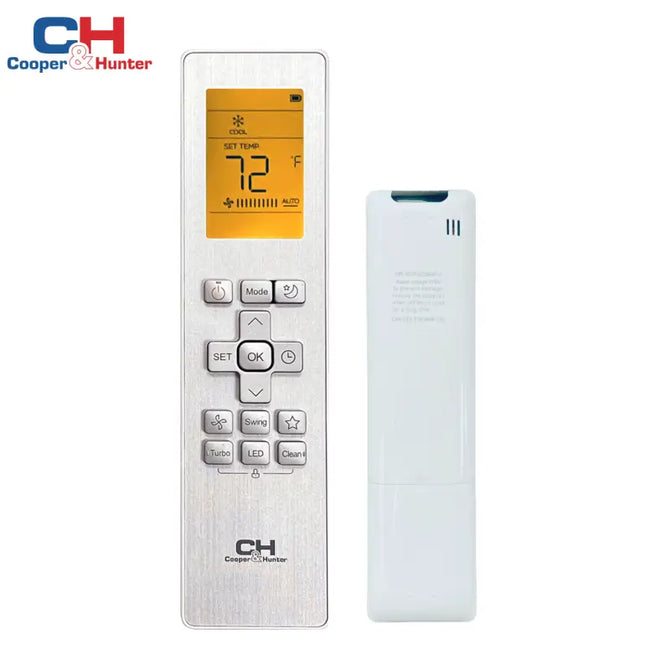
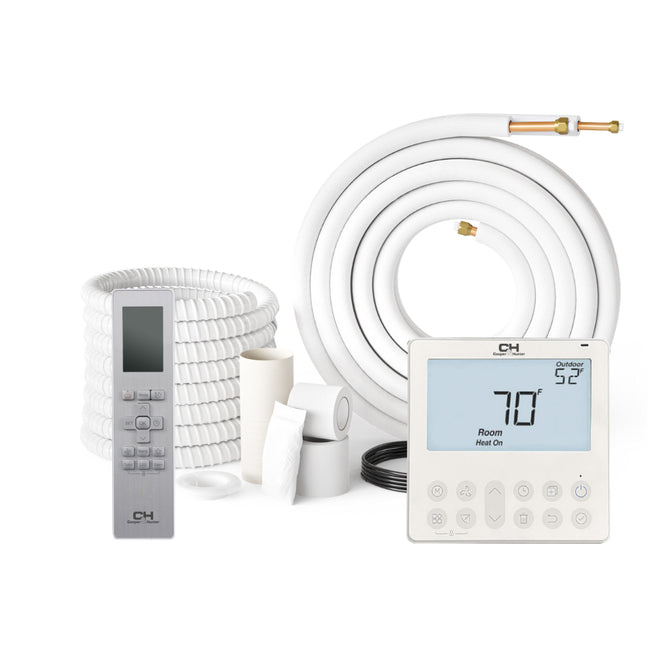
| Equipment (Hardware) | $1,500 – $3,500 | 1 Outdoor Condenser, 2 Indoor Air Handlers, remotes, and standard kits. |
| Contractor Labor | $1,000 – $2,500 | Mounting the units, running lines, and vacuum testing the system. |
| Electrical Work | $300 – $800 | A dedicated 220V circuit, disconnect box, and wiring to the panel. |
| Total Estimated Investment | $2,800 – $6,800 | A fully finished, highly efficient 2-zone climate solution. |
*Note: High-end brands that can handle sub-zero winters will push you toward the top of that price range.
Installation Factors for a 2 Zone Setup
Mapping out your dual zone heat pump matters just as much as the BTUs. A few logistical details will decide how smoothly the install goes.
- Line Set Limitations: Those copper pipes are called line sets. Every condenser has a limit on how long they can be—usually around 130-150 feet total. If your rooms are on opposite ends of the house, check the specs. If the lines are too long, the compressor will burn out early.
- Outdoor Unit Placement: Put the condenser somewhere that's easy to reach from both indoor units. Hiding it in a far corner might look nice, but if it needs 60 feet of piping to reach the bedroom, you're losing efficiency.
- Electrical Requirements: These aren't plug-and-play. You need a dedicated 220V circuit. Don't even try to use a standard 110V outlet. You'll need space in your breaker panel and a disconnect box mounted outside.
- Condensate Drainage: Indoor units squeeze water out of the air. It has to go somewhere. Gravity is your best friend here—simple PVC pipes heading outside. If you're in a basement and can't drain downward, you'll need a tiny pump to push that water out.
Is a Dual Zone System the Best Choice for Your Home?
Investing in a two-zone setup is a total game-changer. No more fighting over the thermostat. Plus, the SEER2 rating on these modern units is incredible. You stop paying to cool rooms nobody is using.
Ready to fix your home's hot spots? Check out the selection at MiniSplitsForLess and find the right BTU mix for your floor plan.
Frequently Asked Questions
Can you add a third indoor unit to a 2 zone mini split later?
No. A 2-zone condenser is built with exactly two ports. If you think you'll want a third room later, buy a 3-zone or 4-zone condenser now and just cap the extra ports until you're ready.
What is the maximum line set length for a dual zone mini split system?
Most systems allow for a total combined length of 130 to 150 feet. However, the run to any single indoor unit is usually capped between 40 and 82 feet. Check your manual.
Do both rooms have to be on the same mode (AC or Heat) at the same time?
Yes. Since they share one compressor, they have to agree. You can't have one room cooling while the other is heating.
What size dual zone mini split do I need for a 1,000 sq ft space divided into two rooms?
Generally, 1,000 sq ft needs about 24,000 BTUs. If the rooms are equal, go with 12K + 12K. If one is much bigger than the other, try an 18K + 9K setup.
Upgrade to a Dual Zone System Today
Stop battling with central air limits. Build your custom 2-zone solution and get wholesale pricing directly shipped to your door.
Find Your 2-Zone System*Disclaimer: Refrigerants A2L/A3 require installation by certified technicians; local codes may vary.*