



Micro-Space Cooling • Sizing Guide
The Smallest Mini Split Systems: 2026 Ultimate Buyer's Guide
Finding climate control for a tiny footprint is an exercise in compromise. When you're outfitting a small backyard garage, wiring a 10x12 tiny home, or cooling a cramped server closet, every inch matters.
The pursuit of the smallest mini split isn't just about grabbing the lowest-capacity unit on the shelf. You're constantly weighing physical dimensions against electrical limitations and thermodynamic physics.
The smallest mini split systems are 6,000 to 9,000 BTU inverter units. Compact indoor heads measure approximately 28 inches wide by 11 inches tall. These 110V systems utilize variable-speed compressors to scale down cooling capacity, providing precise climate control for garages, tiny homes, small apartments, and micro-spaces without short-cycling.
If you’re tired of wall-mounted appliances eating up your headroom or window units that rattle the glass, we need to talk specs, power demands, and the actual sizing realities of compact cooling.
What is the Smallest Mini Split Available?

Many DIYers start their search hunting for a 6000 btu mini split. A tiny room should need a tiny capacity.
In practice, finding a premium, high-efficiency 6,000 BTU unit is frustrating. Most manufacturers design their entry-level models at the 9,000 BTU mark.
While 6,000 BTU units exist, a 9,000 BTU inverter unit is the industry standard for micro-spaces. Modern variable-speed inverter compressors can scale their operation down to as low as 3,000 BTUs.
This downscaling ability is the core mechanical advantage of modern HVAC. Instead of a hard start and stop, the compressor throttles down. It holds the temperature steady. No temperature spikes.
Physical Size vs. Cooling Capacity (BTUs)
Cooling capacity tells you how much heat the system removes, but physical size dictates if it will actually fit on your wall.
I learned this the hard way helping a friend fit a system into a micro-apartment conversion. We bought a standard 9K unit, assuming any small AC would work. We spent three hours staring at the cramped wall space because the indoor head was exactly one inch too wide to fit between the window frame and his custom cabinetry. We ended up having to frame out a custom bulkhead just to mount the chassis.
The tape measure doesn't care about your BTU calculations. Physical clearance dictates everything.
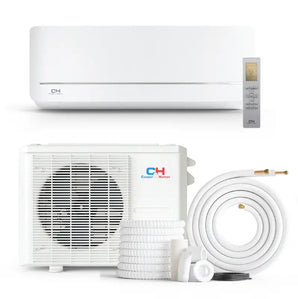
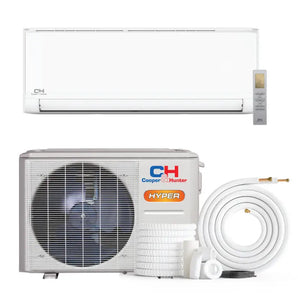
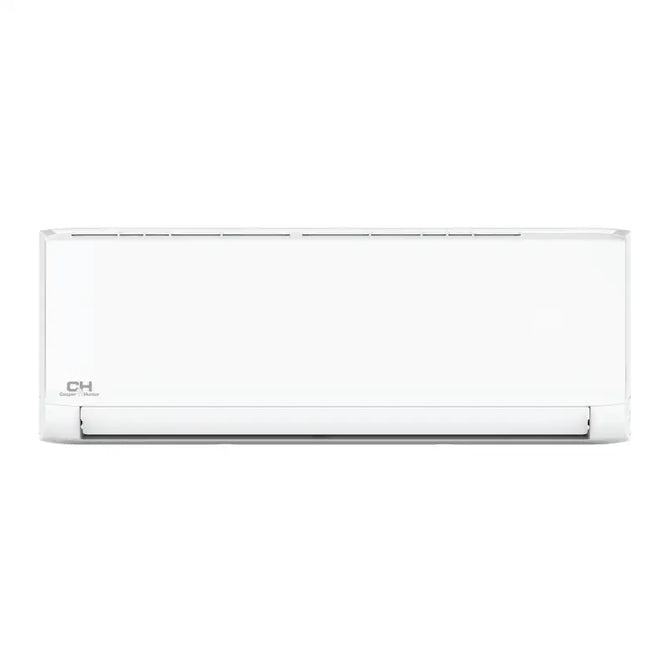
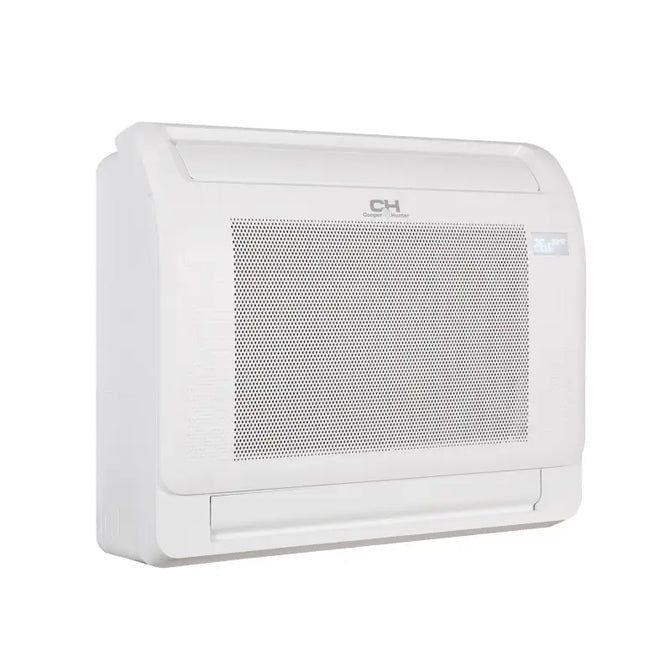
The most compact indoor wall units measure roughly 28 inches wide, 11 inches high, and 8 inches deep. The outdoor condensers require a footprint of about 30 inches wide by 21 inches tall.
Before you buy a compact ductless AC, separate its thermal footprint from its physical one. You can find a 9,000 BTU system in an ultra-slim chassis designed specifically to fit above a standard door frame.
The Reality of Compact Wall AC Units
Swapping a window unit for a dedicated mini split AC completely alters the acoustic and spatial profile of your room.
Window units keep the compressor inside the room. A mini split puts that vibrating hardware outside, allowing indoor heads to drop to about 22 decibels. Then there's the power draw. With SEER2 ratings pushing past 20, these systems pull minimal amps. If you run a compact setup, managing this low draw is critical.
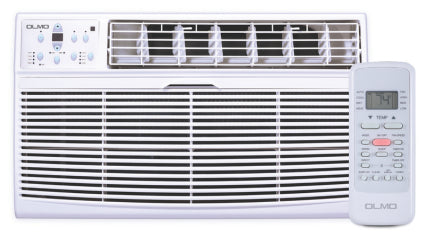
Floor space is a premium. When evaluating a mini split vs portable AC, the wall unit removes the exhaust hoses and tripping hazards.
Ideal Spaces for Small Ductless Units

Compact systems are engineered for tight tolerances.
- Small Garages and Workshops: Standard space heaters or window units eat up valuable work area and leave hot spots. A dedicated 110V mini split mounted high on the wall saves space and keeps the climate perfectly controlled.
- Tiny Homes and Small Apartments: Tight living spaces require standalone climate control without tying into oversized primary ductwork or blocking narrow windows.
- Server Closets: IT hardware generates persistent, dry heat. Continuous cooling prevents thermal throttling.
Yes. A 110V, 9,000 BTU mini split offers high efficiency with low amp draw, perfect for tight residential footprints.
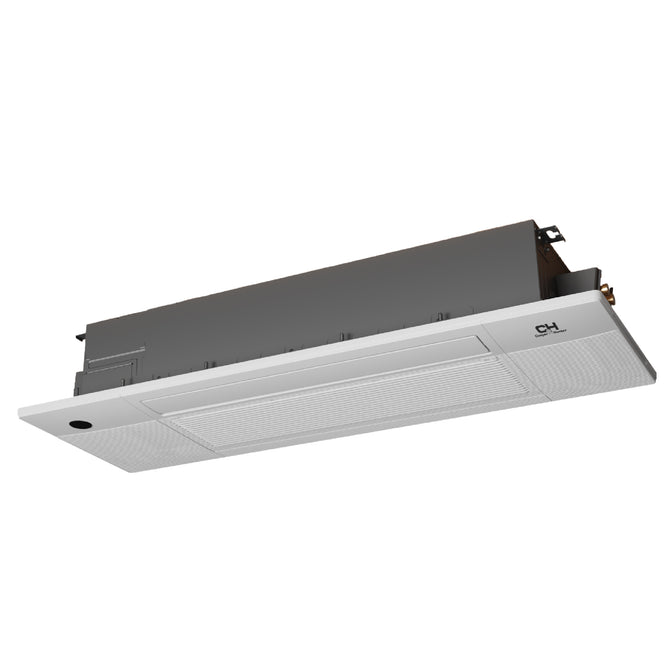
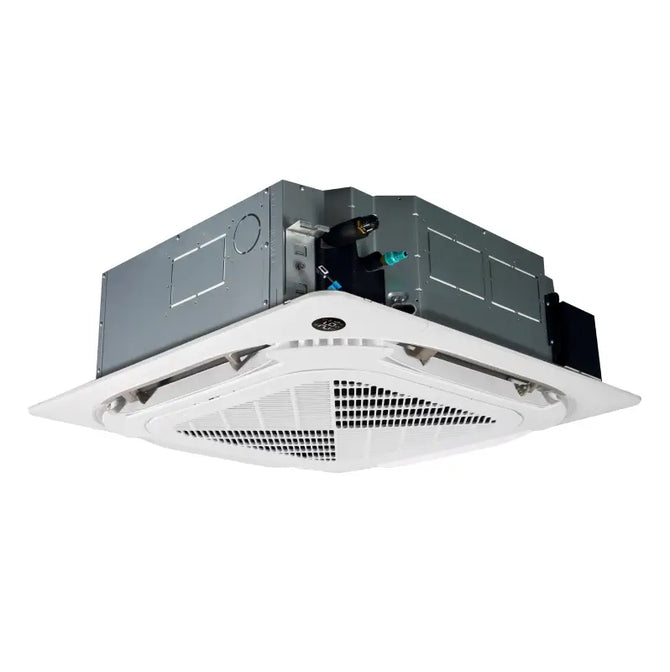
If your space is so small that a 28-inch wall unit simply won't clear your cabinets, you have alternatives. You can explore slim ceiling cassette options that recess into the ceiling joists.
The "Short Cycling" Danger in Tiny Rooms
Let’s talk about oversizing.
Put a massive, non-inverter AC in a 150-square-foot room. It blasts freezing air, hits the target temp in three minutes, and shuts off. The problem? It didn't run long enough to pull moisture out of the air. You get a room that feels like a cold swamp. Cold. Damp. Clammy.
To properly dehumidify, the evaporator coil needs sustained, continuous airflow over its fins to condense ambient moisture. This requires a longer runtime than a traditional single-stage compressor can provide before satisfying the thermostat.
110V vs. 220V: Powering Your Small Mini Split
Most residential HVAC units require a 220V/230V circuit. Pulling a new 220V line to an outbuilding or wiring it into a detached garage subpanel is either highly expensive or structurally impossible.
Small mini splits are usually built for standard 110V/115V power. They sit comfortably on a standard 15-amp or 20-amp breaker. For tiny house HVAC, managing a 110V load is mathematically simpler. Inverters prevent the massive amperage spike on startup.
Cooling power remains identical. 9,000 BTUs is 9,000 BTUs. The voltage just dictates your wiring path to the breaker panel.
Sizing and Selection Protocol
Before pulling out your credit card, run through the mechanical requirements for your wall AC unit:
- Know your exact dimensions and calculate your BTUs accurately.
- Verify your ceiling clearances. Indoor heads cannot be mounted flush against the ceiling; they require 4 to 6 inches of top clearance for air intake.
- Check your electrical panel for breaker space.
- Prioritize units with a SEER2 rating of 20+ for maximum efficiency.
Conclusion
Chilling a tight space requires precise load calculations. Finding the smallest mini split isn't about chasing the lowest BTU rating. It’s about matching inverter technology with your exact structural dimensions and power constraints. A high-efficiency 110V system provides consistent cooling without dictating your interior layout. Check out the compact systems at MiniSplitsForLess and get your specs right.
Find the Perfect Fit for Your Small Space
Don't compromise your headroom or deal with rattling window units. Explore our collection of ultra-compact, high-efficiency 110V mini splits designed specifically for garages, tiny homes, small apartments, and micro-spaces.
View Compact SystemsFrequently Asked Questions (FAQ)
Does a 6000 BTU mini split exist?
Will a 9000 BTU mini split cool a 100 sq ft room too much?
What is the smallest physical size for an indoor mini split head?
Can I run a small mini split on a standard 110V outlet?
Related Questions:
Disclaimer: "A2L/A3 refrigerants require installation by certified technicians; local regulations may vary."