


Ductless HVAC Basics
What Is a Mini Split? Parts, How It Works & 2026 Costs
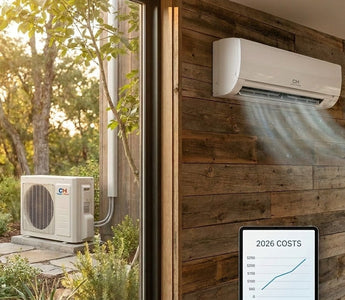
A ductless mini-split is an HVAC system made of an outdoor unit and one or more indoor units, connected by refrigerant lines and a control wire. Instead of pushing air through ducts, it passes the lines through a hole of about 3 inches in the wall to heat or cool a room independently. Most mini-splits sold today are heat pumps, meaning they provide air conditioning in summer and heating in winter, although some models are cooling-only.
For context on cost: on our site, a 12,000 BTU 115V single-zone system starts at $627.84 for Bravo and $863.04 for the Cooper & Hunter MIA 12,000 BTU 115V, while Cooper & Hunter Olivia 115V models start around $1,368 to $1,401. These are equipment prices before labor and electrical work.
This guide explains what comes in the box, how a mini-split works, what it costs and what to check before you order, using the specifications on our own listings.
The "Split" and the "Mini" Explained
The terminology confuses many first-time buyers. "Split" means the system is divided into two parts: the compressor and condenser coil sit outdoors, while the quiet blower sits inside. Keeping the noisy components outside is why a mini-split is much quieter indoors than a window AC.
"Mini" refers to the capacity scale. Central air conditioners are built to push air through an entire house through ducts and typically range from about 18,000 to 60,000 BTU. A single-zone mini-split is scaled down, starting at 6,000 BTU and going up to roughly 36,000 BTU on the largest single-zone models. You pay to condition the room you use, rather than cooling an empty guest bedroom upstairs.
What Comes in the Box
A working system needs a specific set of parts, and not all of them ship in the same carton. These are the components:
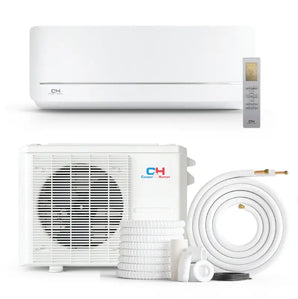
- Outdoor Unit: Houses the inverter compressor. Unlike older ACs that switch fully on and off, an inverter ramps up and down smoothly, which is how Cooper & Hunter wall mount listings reach roughly 21 to 25 SEER2.
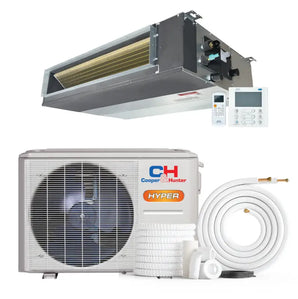
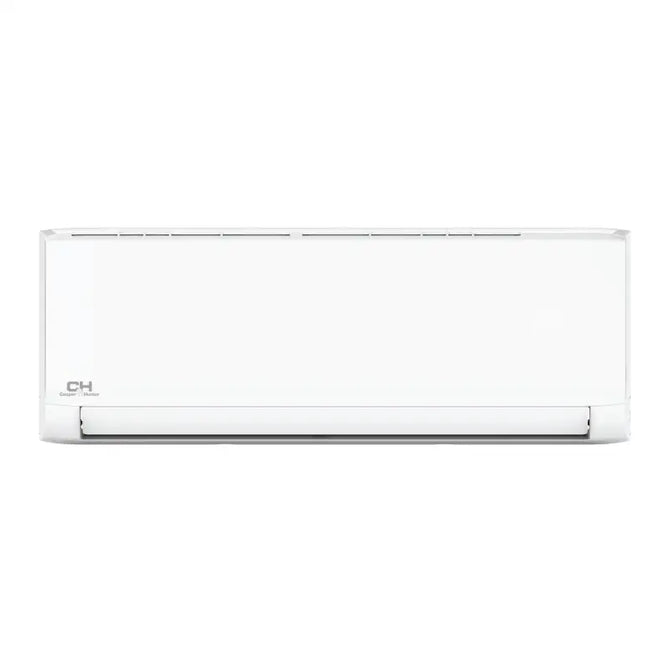
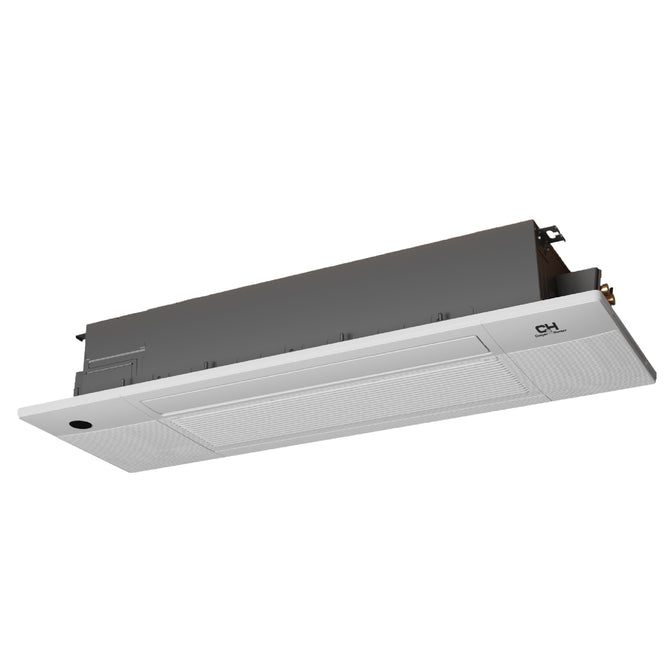
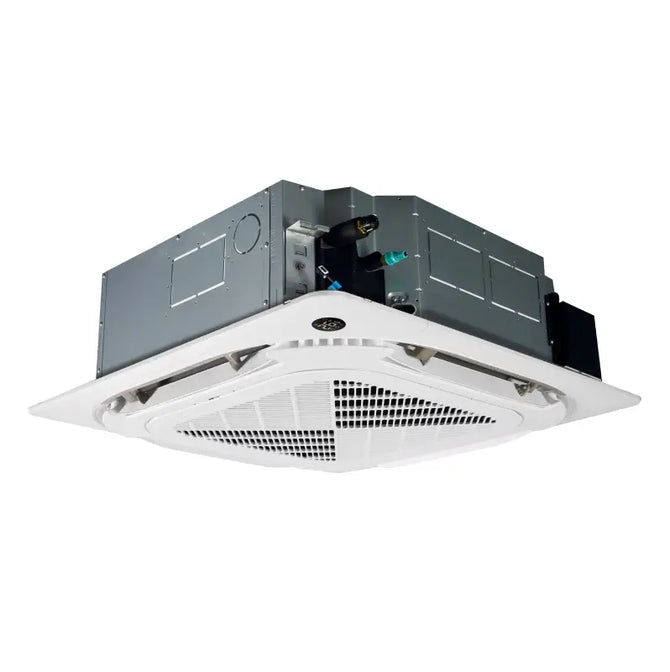
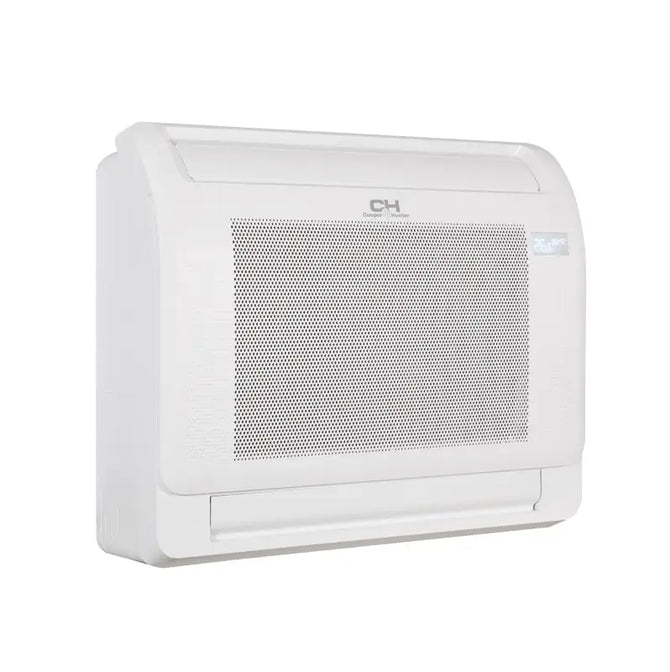
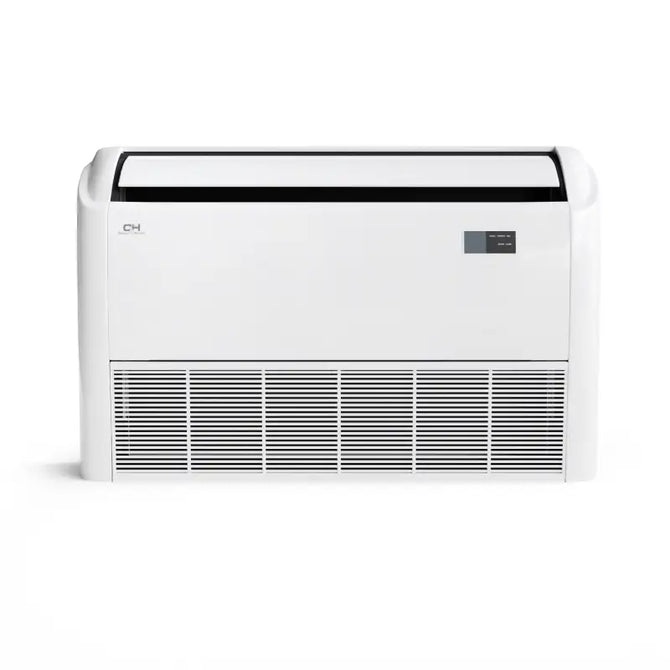
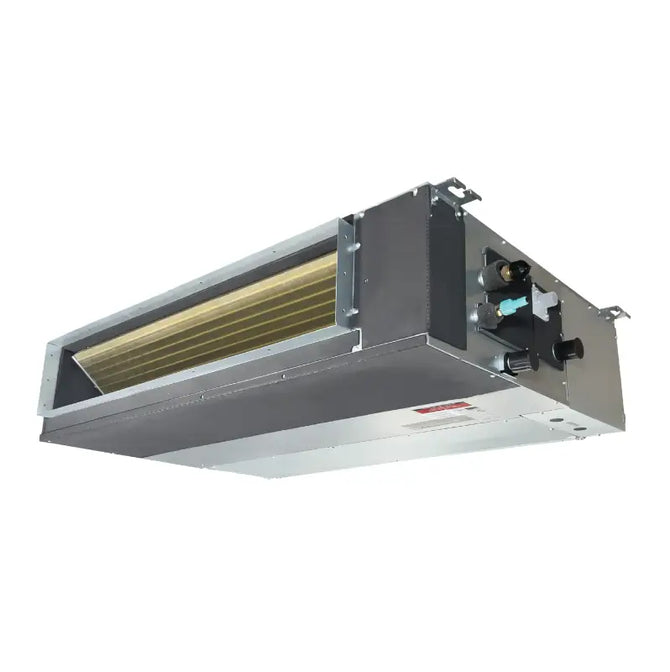
- Indoor Air Handler: Mounted inside the space. The high wall mount is the most common, and ceiling cassettes, floor consoles and concealed ducted mini-splits that hide in the ceiling are also available.
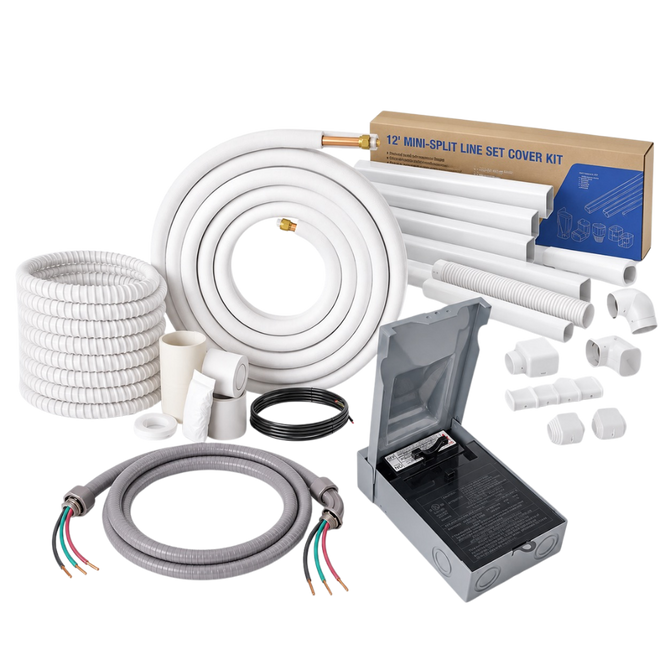
- Refrigerant Line Set: Two insulated copper lines connect the units. On 12,000 BTU systems they are 1/4" for liquid and 3/8" for gas, and larger systems use larger lines.
- Condensate Drain Hose: A line that removes the moisture the indoor unit pulls from the air. It drains by gravity, and a condensate pump is used where gravity drainage is not possible.
- Communication Wire: Carries power and control signals between the indoor and outdoor units. The gauge and conductor count depend on the model, so follow the manual.
Installation kits bundle these parts. Our installation kits come in 16, 25 and 50 ft lengths, starting at $181 depending on the line size, and include the insulated line set, communication wire, drain hose, wall sleeve and finishing tape.

Good to know:
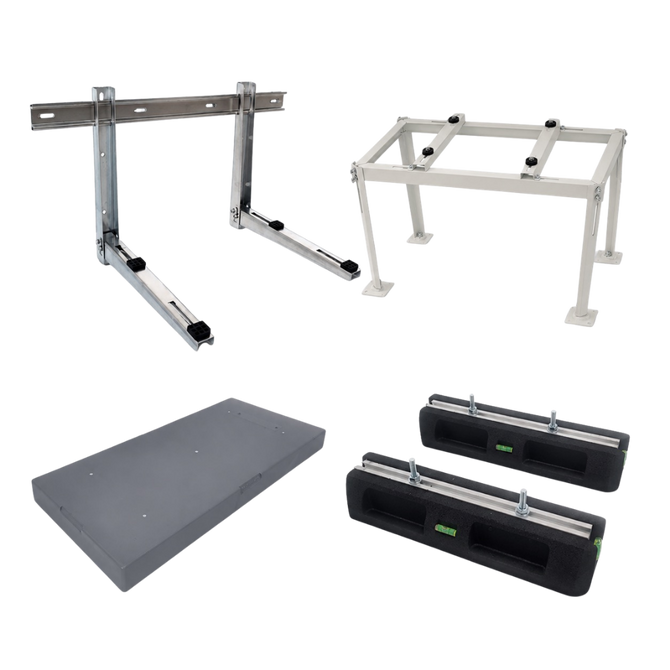
A wall bracket for the outdoor unit and a line set cover (the plastic channel that hides the pipes on the exterior) are usually separate purchases. The MIA 12,000 BTU listing, for example, offers a wall bracket and a 12 ft PVC line cover as add-ons. See our brackets, stands & pads to keep the outdoor unit off the ground and out of the snow.
How It Works (and What Makes Installations Succeed)
Mini-splits move heat; they do not generate it. In summer, the indoor coil absorbs heat from the room and carries it outside. In winter, a reversing valve flips the process, extracting heat from the outdoor air and delivering it indoors.
Insulation Decides Heating Performance
Because a mini-split moves heat instead of burning fuel, the space it serves needs to hold that heat. An uninsulated space such as a detached garage loses heat through its walls almost as fast as the unit delivers it. Insulate and air-seal the space first, then size the unit to the real load with our free load calculator.
In a properly insulated space, cold-climate models keep heating at low outdoor temperatures. Our listings show heating operation down to 5°F on Cooper & Hunter MIA, down to -13°F on Olivia and down to -22°F on Olivia Hyper models. Heating capacity falls as it gets colder, so if your winter temperatures are near those limits, choose a Hyper model and ask us for the manufacturer's capacity data. Browse the Cooper & Hunter collection to compare the series.
Specs and Cost Realities in 2026
A mini-split is much quieter than a window unit and more efficient than most alternatives. For example, the Cooper & Hunter MIA 12,000 BTU 115V lists an indoor sound level from 17.5 dB(A) on its quietest setting to 45 dB(A) on turbo, and the dB figure you hear depends on the fan speed you choose.
| System Type | Noise Level (Indoors) | Efficiency Target | Equipment Cost Scale |
|---|---|---|---|
| Window Unit | Typically 50 - 60 dB | Typically about 10 - 12 CEER | Low |
| Mini-Split System | MIA 12K 115V: 17.5 dB(A) to 45 dB(A) depending on fan speed | About 16 to 25+ across our single-zone listings | Medium (12K 115V from $627.84 for Bravo, $863.04 for Cooper & Hunter MIA) |
| Central Air | Depends on the air handler and ducts | Federal minimums of about 13.4 to 14.3 SEER2 for new split systems, depending on region | Varies with the ductwork required |
Mini-split figures come from our listings. Window unit and central air figures are typical industry values. Prices and ratings can change, so check the listing before you order.
Budget for more than the equipment. Our dual-zone mini-split cost breakdown estimates $1,000 to $2,500 in contractor labor and $300 to $800 for the electrical work (a dedicated circuit, disconnect box and wiring) on a two-zone install. A single zone usually needs less labor, but quotes vary by region, so request estimates from licensed HVAC contractors near you. Our 12,000 BTU systems are listed for spaces up to about 600 sq ft, and the BTU sizing guide shows how to match capacity to your room.
Rebates and Incentives (2026)
The federal Section 25C tax credit expired on December 31, 2025. State home energy rebate programs such as HEEHRA, where your state offers them for qualifying households, and utility rebates may still apply. Eligibility, amounts and equipment requirements vary, so check with your state energy office or utility before you buy.
Is a Mini-Split Right for Your Space? How to Plan It
Most homes can use a mini-split. Planning these three things up front keeps the project simple:
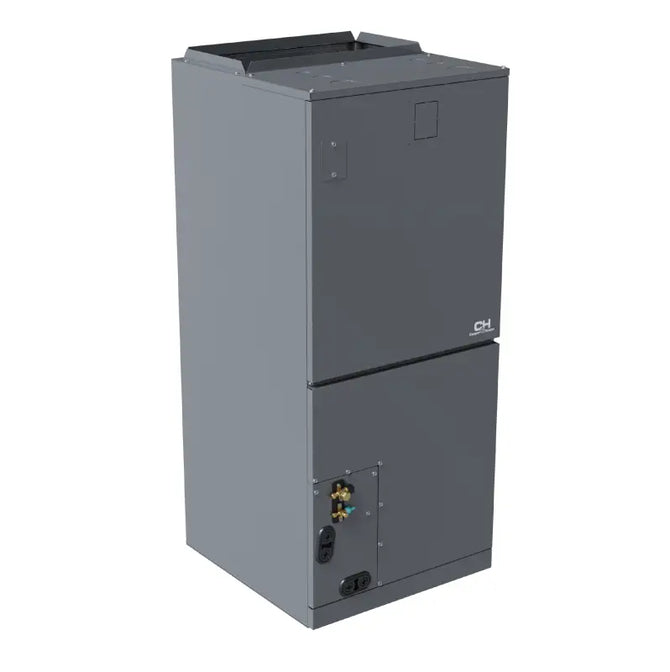
- If you already have good ductwork: A concealed ducted or multi-position unit can use your existing ducts, and a licensed installer should check that they are sized, sealed and suited to the unit's static pressure first. Ductless wall mounts are the simple choice for rooms the ducts do not reach.
- If you rent: Installation involves a wall penetration and a dedicated electrical circuit, so get your landlord's written approval before you order.
- Plan the line set route: The outdoor unit must be within reach of the indoor unit. Our kits come in 16, 25 and 50 ft lengths, and the MIA 12,000 BTU listing shows a maximum pipe length of 82 ft. For a room far from an exterior wall, route the lines through an attic or crawlspace, and plan a condensate pump if gravity drainage is not possible.
Moving Forward: Pre-Purchase Checklist
Next, choose the configuration. A single-zone setup suits a master bedroom, home office or home theater. If you are retrofitting an older home without ductwork, a multi-zone outdoor unit driving three or four indoor units lets you set the temperature in each room.
Check your electrical panel first. A 115V unit needs its own dedicated circuit, typically 15A or 20A depending on the model. The Cooper & Hunter MIA 12,000 BTU 115V, for example, lists an outdoor MCA of 19A and a maximum fuse of 20A, so it needs a dedicated 20A circuit. The multi-zone systems in our listings need a 230V double-pole breaker. Our 18,000 BTU 220V vs. 110V power requirements guide covers breaker sizing and wiring in more detail, and an electrician should confirm the sizing against the unit nameplate and local code.
Plan for a licensed HVAC installer. Current systems use A2L refrigerants (R-454B on Cooper & Hunter, R-32 on Bravo and Olmo Sierra), and manufacturer warranty coverage depends on licensed installation. You can review the terms on our warranty policy page.
Your immediate next step:
Size the system to your room. A unit that is too small runs constantly, and one that is too large cycles on and off without removing humidity. Use our free HVAC load calculator or the mini-split BTU sizing guide to run the numbers for your room dimensions. Then browse our single-zone mini splits, or call us at (855) 775-4822 (Monday to Friday, 9 AM to 5 PM ET) and we can help you choose.
Frequently Asked Questions
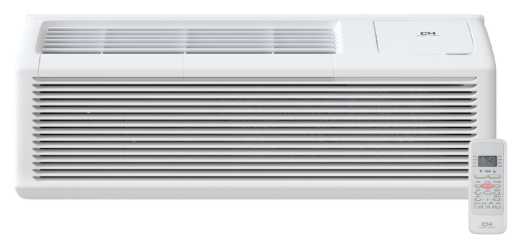
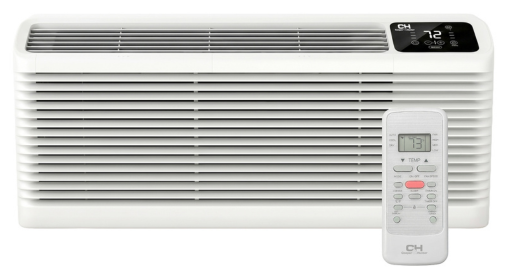
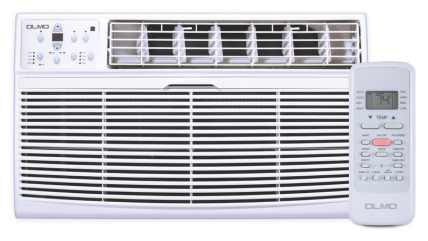
Most mini splits are heat pumps, meaning they cool in summer and heat in winter. Some models are cooling-only, such as certain through-the-wall units, so check that the listing says heat pump before you order.
On our site, 12,000 BTU 115V single-zone systems start at $627.84 for Bravo, $863.04 for the Cooper & Hunter MIA and about $1,368 to $1,401 for Cooper & Hunter Olivia. Longer installation kits add to the price: the MIA 12,000 BTU is $1,090.56 with a 25 ft kit and $1,333.92 with a 50 ft kit. Labor and electrical work are extra. Our dual-zone cost guide estimates $1,000 to $2,500 for labor and $300 to $800 for electrical work on a two-zone install, and a single zone usually needs less labor.
No. A wall mounted mini split connects its indoor and outdoor units with refrigerant lines through a hole of about 3 inches in the wall, so it needs no ducts. Concealed ducted units can use short ducts or existing ductwork, and a licensed installer should check that the ducts are sized, sealed and suited to the unit's static pressure first.
Yes. Our listings show heating operation down to 5°F on Cooper & Hunter MIA, down to -13°F on Olivia and down to -22°F on Olivia Hyper models. Heating capacity falls as it gets colder, so if your winter temperatures are near those limits, choose a Hyper model and ask us for the manufacturer's capacity data at your temperature.
Every mini split needs its own dedicated circuit. A 115V unit typically needs 15A or 20A depending on the model: the Cooper & Hunter MIA 12,000 BTU 115V lists an outdoor MCA of 19A and a maximum fuse of 20A, so it needs a dedicated 20A circuit. The multi-zone systems in our listings need a 230V double-pole breaker. An electrician should confirm the sizing against the unit nameplate and local code.
We recommend a licensed HVAC installer. Current systems use A2L refrigerants (R-454B on Cooper & Hunter, R-32 on Bravo and Olmo Sierra), which require licensed technicians, and manufacturer warranty coverage depends on licensed installation. See our warranty policy page for the terms.
Size the system to the room's load, not just its square footage. Our 12,000 BTU systems are listed for spaces up to about 600 sq ft, and insulation, windows, sun exposure and climate all change the result. A unit that is too small runs constantly, and one that is too large cycles on and off without removing humidity. Use our free HVAC load calculator for a per-room estimate.
*Disclaimer: A2L refrigerants like R-32 and R-454B require installation by licensed technicians; local codes may vary.*