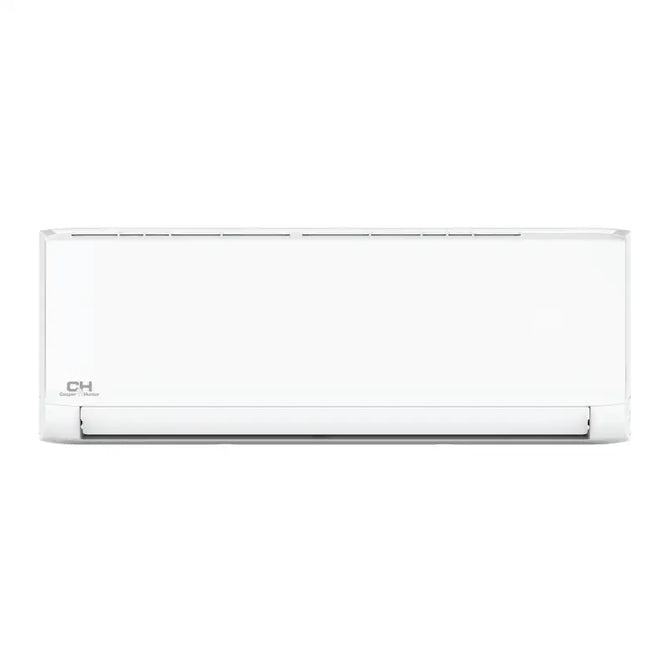
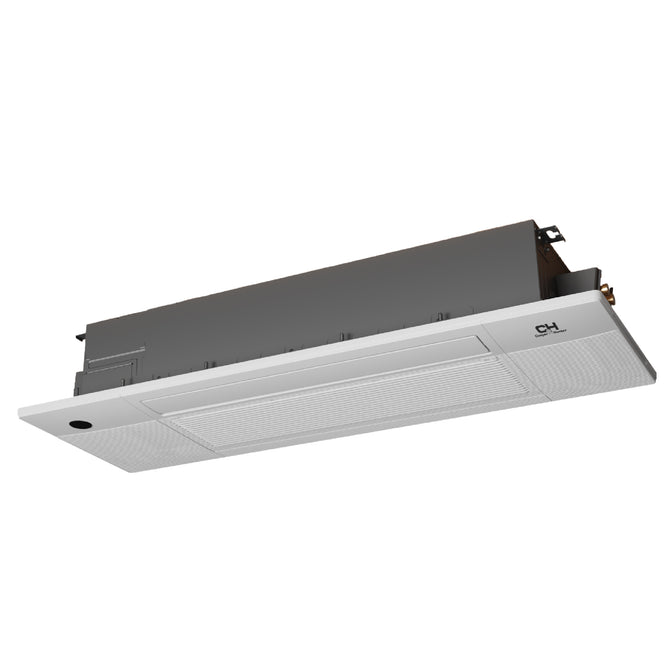
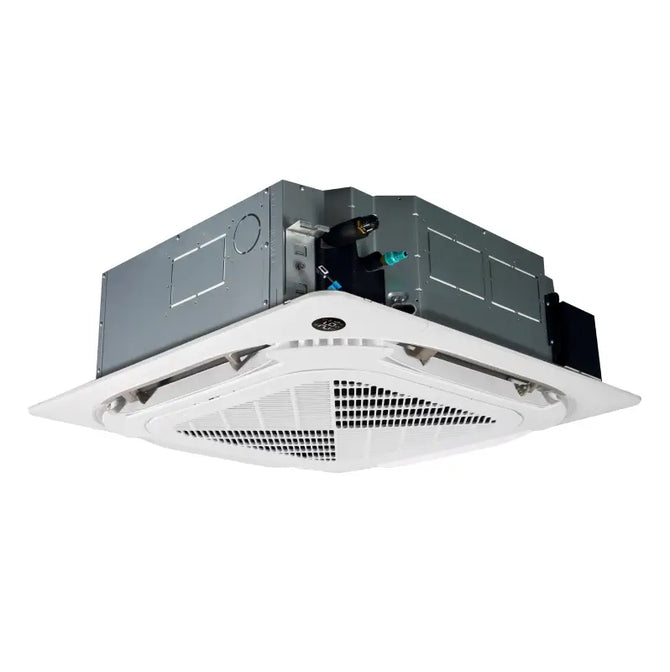
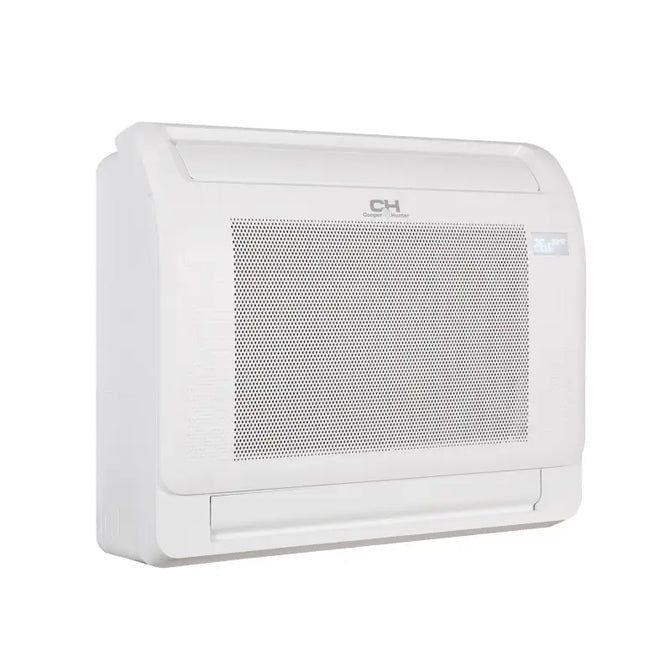


Mini split AC & heat pump systems for Philadelphia, PA — rowhouse specialists
Ductless mini splits built for Philadelphia rowhouses, Victorian twins, historic district homes, and University City apartments. Year-round heat pump comfort — rated to -13°F for Philly winters, dehumidifies through sweltering July heat indexes. Ships 2–3 business days from our Medley, FL warehouse. Free freight, no sales tax, authorized dealer for Cooper & Hunter, OLMO, and BRAVO.
Why Philadelphia homeowners choose MiniSplitsforLess
Philadelphia is a city of rowhouses — millions of 2- and 3-story brick rowhomes in South Philly, West Philly, Fishtown, Kensington, Germantown, Manayunk, and every neighborhood in between. The defining HVAC challenge in Philadelphia rowhouses is simple: no ductwork, no attic space, no room for traditional forced-air systems. Ductless mini splits are the definitive solution for Philly's housing stock, and we've shipped over 400 orders to the Philadelphia area totaling over $1.1M in equipment. Our systems handle Philadelphia's full climate range — January lows near 20°F where modern inverter heat pumps rated to -13°F operate efficiently, and July heat index readings above 100°F where high-SEER2 dehumidification matters as much as raw cooling power. PECO Smart Ideas rebates, the federal 25C tax credit, and the PA HELP low-interest loan program all make the payback faster. When you order from MiniSplitsforLess, you get an authorized dealer who ships from Medley, FL — approximately 1,050 miles, arriving in 2–3 business days, with no sales tax and free freight on orders over $300.
-
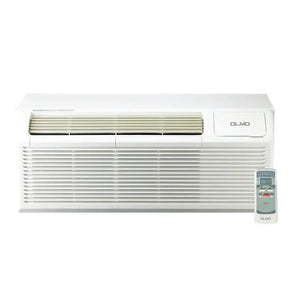
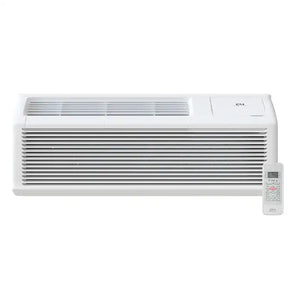
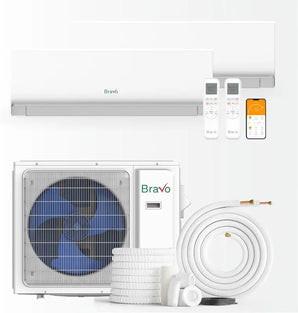
Authorized Dealer — Cooper & Hunter, OLMO, BRAVO (Not Grey Market)
MiniSplitsforLess is an authorized dealer for every brand we sell. Grey-market units purchased through unauthorized online resellers void the manufacturer warranty and may fail Philadelphia L&I mechanical inspection. Every system we ship to Philadelphia ZIP codes includes verifiable authorized dealer documentation — critical when your Philadelphia L&I inspector or licensed PA HVAC contractor needs proof of equipment legitimacy for the permit record.
-
Ships from Medley, FL — 1,050 Miles, 2–3 Business Days to Philadelphia
Our warehouse at 9400 NW 104th St #150, Medley, FL 33178 routes freight via I-95 North to the Philadelphia metro. Orders placed before our daily shipping cutoff ship the same or next business day. Philadelphia, South Jersey suburbs (Cherry Hill, Marlton), and the Main Line (Ardmore, Wayne, Bryn Mawr, Villanova) all typically receive delivery within 2–3 business days. Free freight shipping is included on all orders over $300 — no fuel surcharges or residential delivery upcharges at checkout.
-
Expert Support — HVAC Specialists for Four-Season Philadelphia Climate
Our team handles only HVAC equipment. When you call 855-775-4822 with questions about sizing a unit for a 1,400 sq ft Fishtown rowhome or selecting a multi-zone system for a Victorian twin in West Philly, you reach people who understand cold-climate heat pump performance, PECO rebate documentation requirements, and how to work with Philadelphia L&I permit timelines. Mini splits are all we do.
-
PECO Rebates + Federal 25C + PA HELP — Best Total Savings Stack in PA
Philadelphia homeowners have access to a strong savings stack: PECO Smart Ideas rebates of $100–$300 for qualifying heat pump systems, the federal Section 25C heat pump tax credit up to $2,000/year, and the PA HELP (Home Energy Loan Program) low-interest financing for energy improvements. No Florida sales tax applies to your purchase. Call 855-775-4822 for SEER2 ratings and ENERGY STAR documentation to support your PECO rebate application.
-
Rowhouse-Ready Systems — Ductless Technology Designed for Philly's Stock
Philadelphia's rowhomes are typically 14–18 feet wide, 2–3 stories, solid brick or masonry construction with no existing ductwork. A ductless mini split requires only a 2.5–3 inch lineset hole through the exterior wall — minimal disruption to the historic brick facade, no demolition of interior walls, and no ductwork chase required. The indoor air handler mounts high on a wall inside the home; the compact condenser sits on the exterior or a rooftop pad. For Society Hill and Old City historic district properties, this near-invisible exterior footprint makes mini splits the only practical mechanically-permitted comfort upgrade available.
Philadelphia climate & delivery facts
Philadelphia HVAC sizing — four-season demands
Philadelphia's ASHRAE Zone 4A mixed-humid climate is one of the most demanding in the Northeast — cold winters that test heat pump low-temperature performance and hot, humid summers that require strong dehumidification alongside cooling capacity. Here's what Philadelphia homeowners and contractors need to know before sizing a mini split.
Cold-climate heat pump performance for Philly winters
Philadelphia's January average low is approximately 22°F, with overnight lows occasionally reaching 10–15°F during cold snaps. Modern inverter-driven mini split heat pumps — like the Cooper & Hunter, OLMO, and BRAVO models we carry — are rated to operate in heating mode down to -13°F ambient. This means your heat pump provides efficient, low-cost heating through virtually every Philadelphia winter night without a backup electric strip heater kicking on constantly. Inverter technology modulates compressor speed rather than cycling on/off, maintaining steady indoor temperature even as outdoor temps fluctuate. A properly sized mini split heat pump can reduce heating costs substantially compared to baseboard electric heat or aging oil-fired radiator systems common in older Philly rowhouses and Germantown Victorian homes.
Hot humid summers — dehumidification is the key
Philadelphia summers bring average July highs of 88°F with heat index values regularly exceeding 100°F due to high humidity. For Philly homes — especially brick rowhouses that absorb and radiate heat throughout the day — a mini split that only cools without proper dehumidification leaves interiors feeling muggy even when the thermostat reads 74°F. Our ENERGY STAR certified systems include variable-speed inverter compressors that maintain efficient dehumidification at partial load — critical for Philadelphia's long shoulder seasons (late May, early June, September, October) when temps are moderate but humidity is high. Homes in South Philly, Graduate Hospital, and West Philly with south-facing brick facades benefit especially from a system that can run at low capacity for hours on high-humidity days without over-cooling the space.
Philadelphia rowhouses — the no-ductwork challenge
The Philadelphia rowhome — typically 14–18 feet wide, 2–3 stories, party walls on both sides, original brick or concrete construction — represents millions of housing units across South Philly, Point Breeze, Passyunk Square, Italian Market, Northern Liberties, Fishtown, Kensington, and Frankford. The vast majority have no existing ductwork: they were built with steam radiators, hot-water baseboard, or (in older stock) coal furnaces. Retrofitting central forced-air ducts into a narrow rowhome requires significant demolition, soffit construction, and ceiling work. A ductless mini split requires only a 2.5–3 inch penetration through the exterior wall for the lineset — no ductwork, no dropped ceilings, and the indoor head unit installs in a single wall-mount bracket. For a 3-story rowhouse, a multi-zone system with one head per floor from a single outdoor condenser is the most common and practical approach.
Historic districts, aging Victorians, and University City
Philadelphia's historic districts — Society Hill, Old City, Rittenhouse Square, and portions of Germantown and Chestnut Hill — impose strict exterior modification rules administered through the Philadelphia Historical Commission. The ductless advantage in these neighborhoods is significant: the indoor head unit mounts inside the home, the lineset exits through a small wall penetration, and the condenser can be located on a rear patio, rooftop, or side wall out of public view. The exterior footprint is far smaller than a window AC unit and does not require window modification. In West Philly and Germantown, where large Victorian twins and detached homes feature radiator heat with no AC, mini splits add summer cooling while the existing radiator system handles the coldest winter days — the ideal hybrid approach for homes with functional hydronic heat that owners prefer to keep.
What size mini split do you need for your Philadelphia home?
Philadelphia is in ASHRAE Zone 4A — use 15–20 BTU per square foot for well-insulated newer homes and 18–22 BTU/sq ft for older brick rowhouses with limited insulation and high infiltration.
- Rowhome top-floor bedroom
- Home office or study
- Studio apartment zone
- Master bedroom suite
- 1BR rowhome floor zone
- University City apartment
- 2-story rowhome main level
- Fishtown open-plan living
- Graduate Hospital 2BR
- 3BR rowhouse main zone
- West Philly twin home level
- Passyunk Square larger home
- Large Victorian detached home
- Main Line colonial (Ardmore, Wayne)
- Chestnut Hill larger residence
Philadelphia sizing tip: Older brick rowhomes (pre-1950 construction) in South Philly, Germantown, and Kensington have higher infiltration rates and benefit from sizing up one step versus the standard Zone 4A calculation. Homes with original single-pane windows or minimal attic insulation should use 20–22 BTU/sq ft. Use our free BTU Calculator for a precise room-by-room estimate tailored to your property.
Multi-zone mini splits for Philadelphia rowhouses and twins
One outdoor condenser, multiple indoor heads — the ideal solution for Philadelphia's 2- and 3-story rowhouses where each floor needs independent temperature control and space for only one condenser at the rear of the property.
The most popular multi-zone configuration for a 3-story Philadelphia rowhouse is a 3-zone system: one 12,000 BTU head on each floor running off a single outdoor condenser on the rear patio or rooftop pad. This covers 1,500–2,000 sq ft of living space with one permit application, one condenser installation, and one set of linesets through the rear wall — keeping exterior penetrations minimal and rear-facade impact low. Call 855-775-4822 for multi-zone sizing help specific to your home's floor plan.
Philadelphia Installation & Permit Requirements
Philadelphia requires a licensed PA HVAC contractor and a mechanical permit through the Department of Licenses & Inspections (L&I) for every new mini split installation. Here's what homeowners and contractors need to know.
Philadelphia L&I Mechanical Permit
- All new mini split installations in Philadelphia require a mechanical permit through the Department of Licenses & Inspections (L&I) — apply online at phila.gov/li or the eCLIPSE permitting portal
- A Pennsylvania-licensed HVAC contractor is required to pull the mechanical permit — homeowner self-permitting for HVAC is not permitted in Philadelphia
- Permit application requires equipment specifications, proposed condenser location, and electrical load information
- A final mechanical inspection by Philadelphia L&I is required before the system is placed in service — your contractor schedules this after installation
- Permit required for new installs, system replacements, and equipment relocations — not limited to new construction
- We provide complete manufacturer documentation packages (spec sheets, installation manuals, AHRI certificates) to support your contractor's permit submission — call 855-775-4822
PA Licensed HVAC Contractor Requirement
- Pennsylvania requires a state-licensed HVAC contractor for all refrigerant work — verify your contractor's PA HVAC license before signing any installation contract
- Refrigerant handling requires EPA 608 certification — your contractor must be certified to handle R-410A and R-32 refrigerants used in mini split systems
- Unlicensed installation voids the manufacturer warranty, invalidates the Philadelphia L&I permit, and may result in insurance claim denials in the event of property damage
- Historic district properties (Society Hill, Old City, Chestnut Hill, Germantown) may require additional review from the Philadelphia Historical Commission before exterior penetrations — your licensed contractor handles this coordination
- For University City rental properties, Penn and Drexel campus-adjacent zoning may have specific requirements — confirm with your contractor prior to permit application
PECO Smart Ideas & Federal Rebates
- PECO (Exelon) is the electric utility for Philadelphia and most of the surrounding metro — PECO Smart Ideas rebates of $100–$300 are available for qualifying high-efficiency heat pump systems at peco.com
- ENERGY STAR certification is required to qualify — all Cooper & Hunter, OLMO, and BRAVO models we carry are ENERGY STAR certified
- The federal Section 25C Nonbusiness Energy Property tax credit provides up to $2,000/year for qualifying heat pump systems installed in owner-occupied primary residences
- The PA HELP (Home Energy Loan Program) offers low-interest financing for energy efficiency improvements including heat pump installations in Pennsylvania
- No Florida sales tax applies to your MiniSplitsforLess purchase — additional savings versus purchasing from in-state PA retailers that may apply PA sales tax
- Call 855-775-4822 for current model SEER2 ratings and ENERGY STAR documentation to support your PECO rebate application
Ships from Medley, FL — 2–3 Business Days to Philadelphia
Our fulfillment warehouse at 9400 NW 104th St #150, Medley, FL 33178 ships freight north on I-95 to the Philadelphia metro. Orders placed before our daily cutoff ship the same or next business day, arriving at your Philadelphia address within 2–3 business days by freight carrier.
Why stocking in South Florida still serves Philadelphia faster than you might expect
Philadelphia sits at the top of the I-95 Northeast Corridor — one of the most heavily trafficked freight lanes in the country. Our Medley, FL warehouse routes orders directly onto this corridor northbound, passing through I-95 freight hubs in Richmond and Baltimore before reaching the Philadelphia metro. The result: 2–3 business day delivery to addresses throughout Philadelphia County, Delaware County, Montgomery County, and the South Jersey suburbs (Cherry Hill, Voorhees, Marlton).
Compare this to a Midwest or West Coast supplier shipping cross-country to Pennsylvania — routes that typically involve 5–8 business days and multiple freight hub transfers through congested inland distribution networks. For Philadelphia homeowners coordinating a contractor installation schedule, 2–3 day delivery from Medley means you can order Monday, receive your system Wednesday or Thursday, and have your PA-licensed HVAC contractor on-site by Friday. We stock over 2,000 models to ensure the size and configuration you need is ready to ship immediately — no backorder waits.
Warehouse address: 9400 NW 104th St #150, Medley, FL 33178
Mini split questions for Philadelphia, PA
Do I need a permit to install a mini split in Philadelphia?
Yes. All new mini split installations in Philadelphia require a mechanical permit through the Department of Licenses & Inspections (L&I) at phila.gov/li, applied for via the eCLIPSE online permitting portal. A Pennsylvania-licensed HVAC contractor must pull the permit — homeowner self-permitting for HVAC mechanical work is not permitted in Philadelphia. The permit process includes a plan review and a final mechanical inspection by L&I before the system is legally placed in service. This applies to new installations, system replacements, and equipment relocations. For historic district properties in Society Hill, Old City, or Chestnut Hill, additional Philadelphia Historical Commission review may be required before exterior work begins — your licensed contractor coordinates this as part of the permit process. We provide complete manufacturer documentation packages to help your contractor's permit application. Call 855-775-4822 for the documentation package.
How long does shipping take to Philadelphia from your warehouse?
Our Medley, FL warehouse ships freight via I-95 North to the Philadelphia metro — approximately 1,050 miles. Orders placed before our daily shipping cutoff ship the same or next business day by freight carrier. Philadelphia, Delaware County, Montgomery County, Bucks County, and the South Jersey suburbs (Cherry Hill, Voorhees, Marlton) typically receive delivery within 2–3 business days. Free freight shipping is included on all orders over $300 — no fuel surcharges or residential delivery upcharges. You'll receive a tracking number once the shipment leaves our Medley dock. If you're coordinating with a PA-licensed HVAC contractor on an installation schedule, call us at 855-775-4822 to plan the delivery timing.
Can a mini split heat a Philadelphia rowhouse through winter?
Yes — modern inverter-driven mini split heat pumps are engineered for exactly this climate. The Cooper & Hunter, OLMO, and BRAVO models we carry are rated to provide heating in ambient temperatures down to -13°F, well below Philadelphia's typical winter range of 20–35°F lows. Unlike older heat pump technology that lost efficiency rapidly below 32°F, today's variable-speed inverter compressors maintain high Coefficient of Performance (COP) down through the 20s°F range. For a typical South Philly, Fishtown, or Northern Liberties rowhouse — currently heated with steam radiators, hot-water baseboard, or electric baseboard — a mini split heat pump on each floor delivers efficient, even heating that significantly cuts utility costs versus electric resistance heat. Many Philadelphia homeowners use their existing radiator system as a backup for the coldest cold snaps while the mini split handles the bulk of the heating season. Call 855-775-4822 to discuss the right sizing for your home's heat loss characteristics.
What BTU size for a 3-story Philadelphia rowhouse?
The most common approach for a 3-story Philadelphia rowhouse is a 3-zone multi-split system with one indoor head per floor. Typical floor areas in a Philly rowhome are 400–600 sq ft per floor, so a 9,000 or 12,000 BTU head per floor running off a single outdoor multi-zone condenser (24,000–36,000 BTU capacity) covers most homes effectively. For older brick construction with single-pane windows and minimal insulation — common in pre-1940 stock in South Philly, Kensington, and Germantown — size up: use 18,000 BTU for larger open-plan floors. For newer construction or renovated rowhomes with replacement windows and spray-foam insulation, 12,000 BTU per floor is often sufficient. Use 18–22 BTU per sq ft for older stock and 15–18 BTU per sq ft for renovated homes. Our free BTU Calculator provides a room-by-room estimate, or call 855-775-4822 for a personalized sizing recommendation.
Can I get PECO rebates on a mini split in Philadelphia?
Yes. PECO (Exelon) serves Philadelphia and most of the surrounding metro, and PECO Smart Ideas offers energy efficiency rebates of $100–$300 for qualifying high-efficiency heat pump systems. ENERGY STAR certification is required — all Cooper & Hunter, OLMO, and BRAVO models we carry are ENERGY STAR certified. Rebate applications are submitted through PECO's Smart Ideas portal at peco.com after installation is complete. In addition to the PECO rebate, the federal Section 25C heat pump tax credit provides up to $2,000/year for qualifying installations in owner-occupied primary residences — significantly higher than the $600 cap for other equipment types. The PA HELP (Home Energy Loan Program) also provides low-interest financing for qualifying energy improvements. Call 855-775-4822 for current SEER2 ratings and ENERGY STAR documentation for any model you're considering.
Can I install a mini split in a Philadelphia historic district property?
Yes, and ductless mini splits are generally the most practical comfort upgrade available for Philadelphia historic district properties precisely because of their minimal exterior impact. The indoor air handler mounts inside the home on a wall bracket — no window modification required, and no impact on the original window frames or facade. The lineset (refrigerant and electrical lines) exits through a 2.5–3 inch penetration in the exterior wall or a small chase, and the outdoor condenser is typically placed at the rear of the property on a patio pad, rooftop, or side-yard wall mount out of public view from the street. For Society Hill, Old City, and other Philadelphia Historical Commission-regulated districts, your PA-licensed HVAC contractor submits the permit application and coordinates any required Historical Commission review prior to work beginning. The key documentation needed is the condenser location diagram showing rear or non-primary-facade placement. We provide full manufacturer spec documentation to support your permit and historical review submissions. Call 855-775-4822 for the documentation package.
What brands do you carry and are you authorized dealers?
MiniSplitsforLess carries Cooper & Hunter, OLMO, and BRAVO mini splits — and we are an authorized dealer for all three brands. This matters for Philadelphia homeowners because grey-market units sold by unauthorized online resellers have manufacturer warranties voided, and a valid manufacturer warranty is required for Philadelphia L&I permit documentation and PECO rebate applications. When you buy from us, your unit ships with full factory warranty, legitimate serial numbers, factory-backed technical support, and ENERGY STAR certification documentation for your PECO rebate application. We stock over 2,000 models across single-zone, multi-zone, and commercial configurations — all eligible for PECO Smart Ideas rebates and the federal Section 25C tax credit. Call 855-775-4822 to confirm authorized dealer status or get a model recommendation for your Philadelphia property.