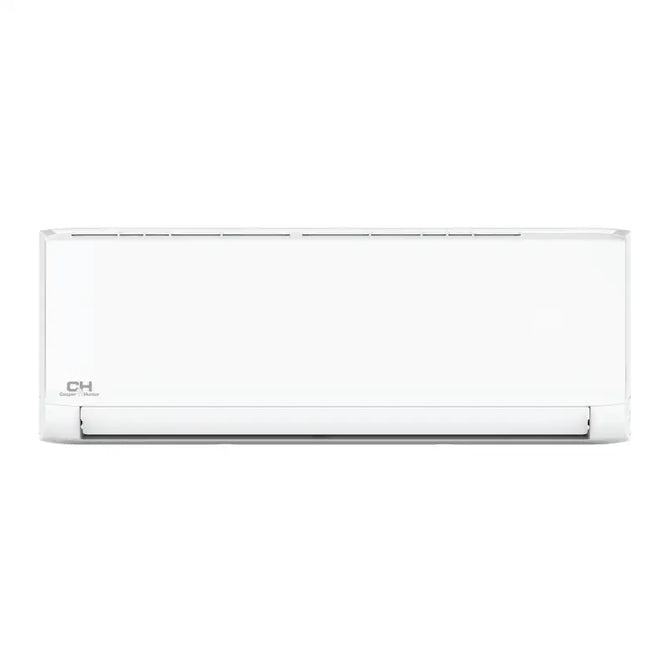
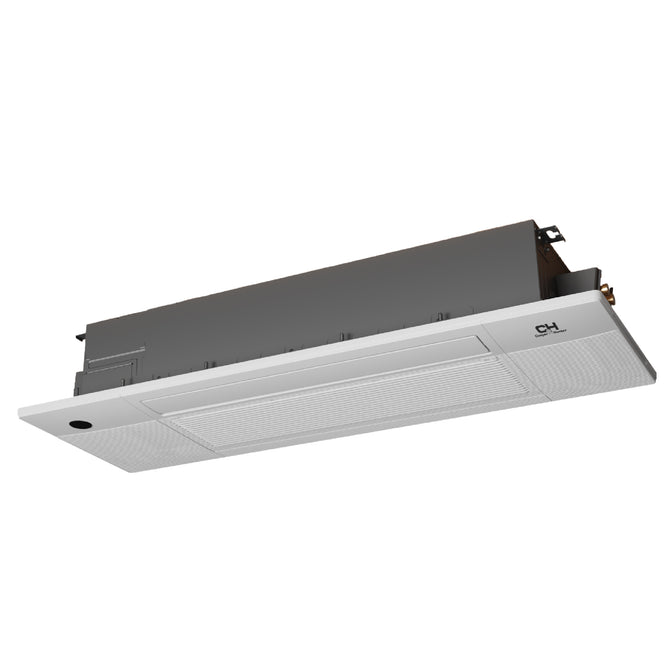
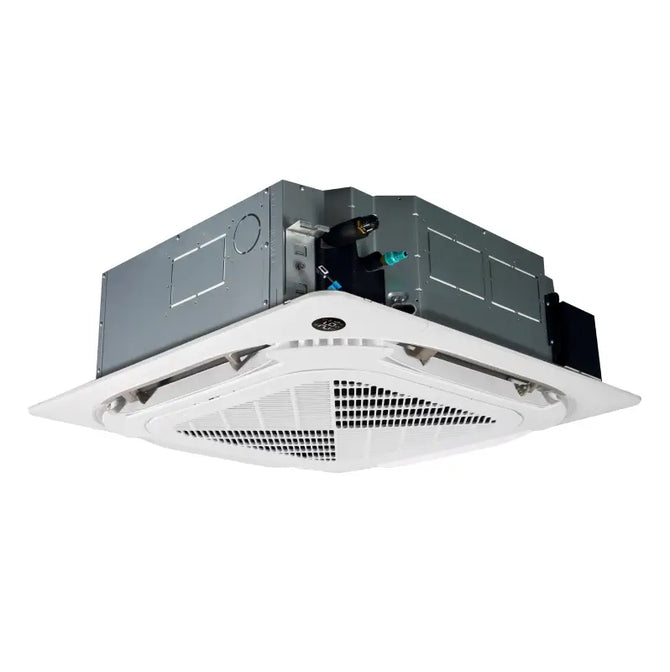
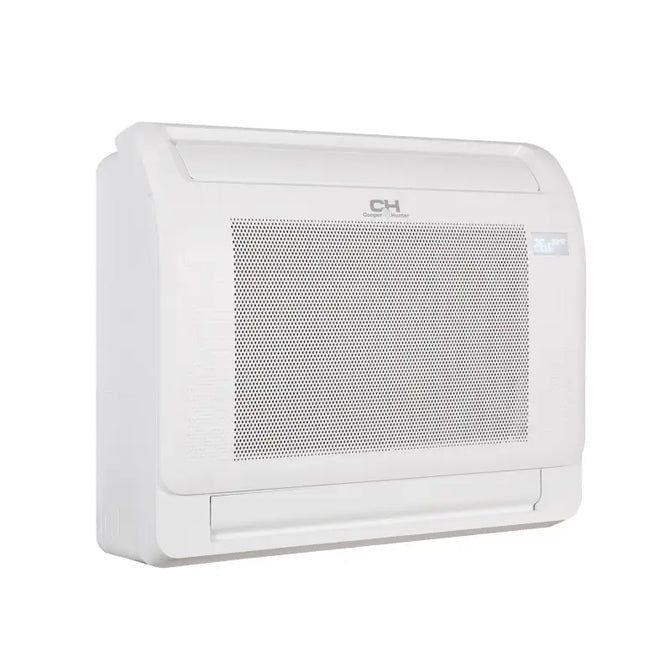



Mini Split AC Systems for Fort Worth, TX
Ductless mini split systems for Fort Worth homes, ranches, and outbuildings — from Southlake estate multi-zone installs to barn and workshop cooling in Tarrant County. Ships free from Medley, FL in 3–4 business days. Authorized dealer for Cooper & Hunter, OLMO, and BRAVO. Federal 25C tax credit up to $2,000/year.
Why Fort Worth homeowners and ranchers choose MiniSplitsforLess
Fort Worth is where the West begins — and where Western summers demand serious cooling. Tarrant County's 935,000+ residents deal with summers that routinely hit 100–105°F, aging housing stock in the city's historic core, rapidly expanding luxury suburbs in Keller, Southlake, and Colleyville, and thousands of ranch and horse properties that need efficient cooling for barns, workshops, and tack rooms. Unlike Florida or the coastal markets, Fort Worth sits in a fully deregulated electricity market — residents choose their retail provider through PowerToChoose.org — which means energy efficiency directly translates to lower monthly bills on a plan-by-plan basis. MiniSplitsforLess ships to all Fort Worth ZIP codes from our Medley, FL warehouse — approximately 1,200 miles by freight — with free delivery in 3–4 business days. We are the authorized dealer for Cooper & Hunter, OLMO, and BRAVO, and our team understands the unique mix of residential, ranch, and commercial applications across Tarrant County's diverse geography.
-
Authorized Dealer — Cooper & Hunter, OLMO, BRAVO (Not Grey Market)
Every system we ship to Fort Worth is purchased through the authorized dealer channel. Grey-market units sold through unauthorized resellers void the manufacturer warranty and may not pass a City of Fort Worth mechanical inspection. Our authorized dealer documentation is verifiable by the manufacturer, which matters when your TDLR-licensed Texas HVAC contractor pulls a City of Fort Worth Development Services permit for your installation. Call 855-775-4822 and we'll provide a full documentation package for any unit you order.
-
Ships from Medley, FL — Free Freight to All Fort Worth ZIP Codes
Our warehouse at 9400 NW 104th St #150, Medley, FL 33178 ships to Fort Worth via national LTL freight carriers routing through the I-10/I-20 corridor — approximately 1,200 miles to Tarrant County. Orders placed before our daily cutoff ship same or next business day and arrive in Fort Worth in 3–4 business days. Free freight shipping is included on all orders over $300 — no hidden surcharges, no residential delivery upcharges. Whether you're in Sundance Square, Keller, Burleson, or a ranch road address outside the city limits, we ship to your door at no extra freight cost.
-
Expert HVAC Support — We Know Texas Heat and Ranch Applications
Our team specializes in HVAC and understands the Fort Worth market's unique demands: extreme summer heat in the 100–105°F range, deregulated electricity rates through PowerToChoose.org, ranch and outbuilding cooling for horse properties and farms in the rural Tarrant County fringes, and the luxury multi-zone installs that Southlake, Colleyville, and Keller custom home builders are specifying. When you call 855-775-4822, you reach HVAC specialists — not a general home goods call center.
-
7-Year Compressor Warranty and Federal 25C Tax Credit Up to $2,000
All systems we carry include a 7-year compressor warranty through the authorized dealer channel. For Fort Worth homeowners, the federal Section 25C Energy Efficient Home Improvement Credit provides up to $2,000 per year for qualifying heat pump mini split systems installed in an owner-occupied primary residence. Texas offers no utility-level rebate in most of Fort Worth's deregulated service territory, but the federal credit significantly offsets the purchase price for qualifying installations. Our ENERGY STAR certified Cooper & Hunter, OLMO, and BRAVO systems meet the IRS efficiency requirements for the full $2,000 annual credit.
-
Ranch, Workshop, and Barn Cooling — Not Just Residential
Fort Worth and the surrounding Tarrant County area is horse and ranch country. Many properties outside the city limits — and in areas like Benbrook, White Settlement, and the rural fringe toward Cleburne — include working barns, horse stalls, equipment sheds, and tack rooms that need year-round climate control. Mini splits are the ideal solution for outbuildings that have no ductwork and no connection to the home's HVAC system. A 9,000–12,000 BTU single-zone system can efficiently cool a 400–600 sq ft tack room or workshop, protecting equipment and livestock from Fort Worth's extreme summer heat without the cost of running new ductwork.
Fort Worth climate & delivery facts
Fort Worth summers: 100–105°F heat and deregulated electricity savings
Fort Worth sits in ASHRAE Climate Zone 3A — hot and humid, with summer temperatures that regularly push past 100°F and humidity that makes the heat index feel significantly higher. In a deregulated market, efficiency is money.
Western Texas heat: 100°F+ is normal
Fort Worth earns its "Where the West Begins" motto in summer. The city experiences 30–40 days per year above 100°F, with heat peaks of 105–108°F during drought years. Unlike coastal Texas cities moderated by Gulf breezes, Fort Worth sits far enough inland that extreme heat is unrelenting from June through September. Air conditioning isn't a luxury here — it's essential infrastructure. Ductless mini splits handle extreme heat more efficiently than traditional central systems because they eliminate duct losses (typically 25–30% of cooling energy in poorly sealed ducts) and deliver conditioned air directly to the zone being occupied. For Fort Worth homes with aging central systems or additions without ductwork, a high-SEER2 mini split is often the most cost-effective solution.
Deregulated market: efficiency = real savings
Unlike regulated utilities, Fort Worth residents served by Oncor's distribution grid choose their retail electricity provider through PowerToChoose.org — a state-run marketplace with dozens of competing retail providers. Plans vary from 8¢ to 18¢+ per kWh depending on contract length, rate structure, and provider. In this environment, every efficiency point in your HVAC equipment directly reduces the kilowatt-hours you consume and the bill you pay — regardless of which plan you're on. A high-SEER2 mini split system (18 SEER2 or higher) can cut cooling costs by 35–50% versus an older R-22 central system with an SEER of 10–12. Over a 15-year equipment life, the cumulative electricity savings in a deregulated Texas market routinely exceed the equipment cost differential.
Older homes and aging HVAC stock
Fort Worth's historic neighborhoods — the Near Southside, West 7th, the Stockyards District, and older Craftsman corridors near TCU — contain substantial housing stock from the 1920s through 1980s. Many of these homes have undersized central systems, poor duct insulation in attics that reach 160°F in summer, or rooms served by window units. Mini splits are the ideal retrofit for these situations: no ductwork required, zoned cooling so only occupied rooms run, and SEER2 ratings in the 18–28 range that dramatically outperform any equipment installed before 2010. A single-zone 12,000 BTU unit can cool a 1950s bungalow bedroom that a window unit struggles to keep below 80°F — quietly, efficiently, and with heat pump capability for Fort Worth's mild-to-cold winters.
Southlake, Colleyville, Keller luxury market
The mid-cities corridor of Southlake, Colleyville, Keller, and Grapevine represents some of the most affluent ZIP codes in Texas and the entire nation. Custom homes in these communities routinely range from 4,000 to 10,000+ square feet with multiple wings, home theaters, wine rooms, garages converted to gyms, and guest cottages — all requiring independent climate control. Multi-zone mini split systems (3-zone through 8-zone) are increasingly specified in these custom builds as a supplement to central systems, providing independent temperature control for specific zones without the inefficiency of running a whole-home central system for one occupied room. Our team can help spec multi-zone systems for Southlake and Colleyville custom builds from 9,000 BTU single zones to 60,000 BTU commercial-grade configurations.
Ranch outbuilding & horse property cooling — mini splits built for it
Fort Worth and Tarrant County's rural and semi-rural properties — barns, horse stalls, workshops, tack rooms, and equipment sheds — are exactly what ductless mini splits were designed for. No existing ductwork, no problem.
Horse stalls and barns
Horses are highly susceptible to heat stress above 95°F. Fort Worth summers regularly exceed that threshold for weeks at a time. A properly sized mini split in a barn aisle or stall area keeps temperatures at a safe level for animals and their handlers. Unlike whole-barn ventilation systems, a mini split provides active cooling rather than just air movement — critical when ambient temperatures push 105°F. A 24,000–36,000 BTU system can manage a 1,000–1,500 sq ft barn section. Systems designed for commercial and light-industrial environments handle the dust and particulate typical of horse facilities.
- Active cooling to 75–80°F regardless of outside heat
- Reduces heat stress for horses and handlers
- Humidity control reduces ammonia buildup in stall areas
- No ductwork — mounts directly in the barn wall or ceiling
- Can run off a dedicated 240V circuit added by an electrician
Workshops and equipment sheds
A mechanic, welder, or woodworker working in a 105°F Fort Worth workshop in July is working in dangerous conditions. Heat-related illness is a genuine risk when body temperature regulation fails in extreme ambient heat, especially with physical labor. A 12,000–18,000 BTU mini split in a 500–800 sq ft workshop creates a safe working environment and protects electronics, lubricants, and precision tools from heat damage. Many Fort Worth ranchers and property owners add mini splits to shops that already have power service, avoiding costly ductwork while getting efficient, zoned cooling exactly where it's needed.
- Protects workers in 100°F+ Texas summer conditions
- Safeguards electronics, lubricants, and finishes from heat damage
- No duct installation — wall sleeve and linesets only
- Heat pump mode provides winter warming at minimal cost
- Operates on standard 240V residential or farm service
Tack rooms and feed storage
Leather saddles, bridles, and tack deteriorate rapidly in the heat and humidity of a Fort Worth summer. Temperature and humidity cycling caused by extreme outdoor conditions causes leather to crack, metal to corrode, and feed to spoil faster than necessary. A 9,000 BTU mini split in a 300–400 sq ft tack room maintains stable temperature and humidity year-round, dramatically extending the life of expensive tack and keeping feed fresh longer. The same unit provides a comfortable refuge for riders and handlers preparing horses on hot days. At current retail electricity rates in Fort Worth, a 9,000 BTU unit costs approximately $0.06–0.12/hour to operate at full cooling load.
- Protects leather tack from heat and humidity cycling
- Reduces feed spoilage and pest activity in stored grain
- Creates a comfortable staging area for riders in summer
- 9,000 BTU covers up to 350–400 sq ft in Zone 3A
- Very low operating cost vs. value of protected tack
Guest cottages and casitas
Many Tarrant County ranches and rural properties include guest cottages, casitas, or converted farm buildings used as rental income or family accommodations. These structures often lack central HVAC connections but have electrical service. A mini split is the cleanest, most efficient way to condition these spaces independently — the guest house runs its own system on its own thermostat without affecting the main home's utility bill. Multi-zone systems can also serve main-house additions, converted garages, or accessory dwelling units (ADUs) from a single outdoor condenser, minimizing the number of exterior units on the property.
- Independent system for guest cottages, ADUs, and casitas
- No connection to the main home's HVAC required
- Clean installation — no ductwork penetrations through old walls
- Ideal for short-term rental properties requiring reliable AC
- Multi-zone serves multiple outbuildings from one outdoor unit
Fort Worth ranchers and rural property owners outside the city limits should verify permit requirements with their specific county jurisdiction — properties in unincorporated Tarrant County may follow different permit rules than City of Fort Worth addresses. Call 855-775-4822 and our team will help you select the right capacity for your specific outbuilding dimensions and use case.
What size mini split do you need for your Fort Worth property?
Fort Worth sits in ASHRAE Climate Zone 3A — hot and humid, with extreme summer peaks. Use 20–22 BTU per square foot as a baseline for well-insulated modern construction, 22–26 BTU/sq ft for older homes or outbuildings.
- Craftsman bedroom (FW historic)
- Tack room or small shop
- Home office or sunroom
- Suburban bedroom (Arlington)
- Ranch workshop (smaller)
- Guest cottage studio
- Open-plan living/dining (FW suburb)
- Ranch workshop (medium)
- Arlington townhome zone
- Southlake estate master suite
- Barn aisle (small to medium)
- Fort Worth open-plan home
- Large workshop or barn section
- Keller/Colleyville home floor
- Commercial retail space
Fort Worth sizing tip: Zone 3A summers with 100°F+ peak days require conservative sizing — don't undersize. Homes with large south- or west-facing windows common in newer Fort Worth suburban construction should add 10–15% to the calculated BTU. Outbuildings like barns and workshops with minimal insulation should use 25–30 BTU/sq ft. Use our free BTU Calculator for a precise estimate tailored to your property type and orientation.
Multi-zone mini splits for Southlake, Colleyville, and Keller luxury homes
One outdoor condenser powering multiple indoor heads — the smart choice for Southlake estate homes, Colleyville custom builds, and Fort Worth properties with outbuildings and guest quarters. Cool every zone independently on its own thermostat.
In Southlake and Colleyville's 5,000–10,000 sq ft custom homes, multi-zone mini split systems are increasingly specified to supplement central systems for specific zones — home theaters, wine rooms, home gyms, and primary suites. A single outdoor condenser running 4–5 independent heads provides room-by-room climate control without running an entire central system. For ranch properties, a 2-zone or 3-zone system can serve the main house addition, the guest cottage, and the workshop from one outdoor unit with one set of electrical permits. Call 855-775-4822 for multi-zone sizing help for your Fort Worth or DFW property.
Federal 25C Energy Efficient Home Improvement Credit — up to $2,000 for Fort Worth
Fort Worth has no major city utility rebate program, but the federal Section 25C credit is substantial — and our qualifying systems make it accessible for most homeowners.
What Fort Worth homeowners need to know about 25C
The Inflation Reduction Act expanded the Section 25C Energy Efficient Home Improvement Credit, which took effect for tax years starting January 1, 2023. Fort Worth homeowners who purchase and install a qualifying heat pump mini split system in their primary residence can claim 30% of the total equipment and installation cost, up to a maximum credit of $2,000 per year. Unlike a deduction, this is a direct tax credit — it reduces your tax bill dollar for dollar. The credit is non-refundable (meaning it cannot exceed your tax liability) but can be claimed each year you install qualifying equipment.
Maximum annual federal 25C credit for heat pump mini splits. 30% of equipment + installation costs up to this cap.
Credit rate applied to total project cost (equipment + installation). Equipment must meet IRS efficiency thresholds.
All Cooper & Hunter, OLMO, and BRAVO systems we carry are ENERGY STAR certified and qualify for 25C. We provide documentation on request.
The $2,000 cap resets each tax year — homeowners completing multi-phase installs can spread them across years to maximize the credit.
Note: Tax credit eligibility depends on your individual tax situation. Consult a tax professional or review IRS Form 5695 for precise qualification rules. Fort Worth does not currently have a city-level HVAC rebate program; check your specific retail electric provider for any plan-based efficiency incentives. Call 855-775-4822 for ENERGY STAR documentation to support your 25C filing.
Fort Worth and Winter Storm Uri — heat pump mini splits as backup heat
February 2021's Winter Storm Uri hit Fort Worth harder than almost anywhere in Texas. Mini splits with heat pump capability address the core vulnerability that Uri exposed.
What Uri revealed about Fort Worth's heating infrastructure
Winter Storm Uri brought five days of below-freezing temperatures to Fort Worth in February 2021 — the longest sustained hard freeze in North Texas in decades. Temperatures dropped to single digits, well below the design parameters for much of the city's residential heating infrastructure. ERCOT's power grid failed under the combined load of electric space heaters, electric strip heat in heat pumps, and the collapse of natural gas supply chains that left millions of Texans without heat. Fort Worth was among the most severely affected cities in the state: hundreds of pipes burst, dozens died from hypothermia or carbon monoxide poisoning from improvised heating, and damage ran into billions of dollars.
Modern high-efficiency mini split heat pumps address two of the core vulnerabilities Uri exposed. First, current-generation cold-climate heat pumps can operate efficiently down to 5°F ambient — and continue heating (less efficiently) to -13°F — eliminating the failure mode that caused conventional heat pumps to lock into strip heat and overload the grid. Second, mini splits with heat pump mode provide a supplemental heating source that doesn't depend on natural gas supply — if a winter storm interrupts gas service (as happened in Uri), an electric heat pump continues operating on whatever grid power remains. For Fort Worth homeowners who want backup heat security, a mini split in the bedroom or living area ensures at least one habitable zone stays above freezing even in a grid-stress scenario.
Important: Mini splits are not a whole-home replacement for natural gas heating in North Texas. They are most valuable as a supplemental or primary zone-level heat source in specific rooms — ensuring bedrooms, living areas, and critical spaces remain habitable during extreme weather events. For whole-home cold-climate heating in North Texas, consult with a TDLR-licensed Texas HVAC contractor about a comprehensive heating plan.
Heat pump operation below freezing
Current Cooper & Hunter and OLMO inverter heat pumps are rated for efficient heating down to 5°F ambient — covering every recorded Fort Worth winter low except the worst Uri extremes. Below 5°F, the unit continues operating at reduced capacity down to -13°F before shutting down for protection. For Fort Worth's typical winter nights (15–35°F), a mini split heat pump delivers 3–4x more heat energy than it consumes in electricity — vastly more efficient than electric strip heat, which delivers 1:1 energy conversion.
Supplemental zone heat for Uri preparedness
The core lesson of Uri for Fort Worth homeowners is that relying on a single whole-home heating system creates a single point of failure. A 12,000 BTU mini split in the master bedroom provides an independent heating source on a dedicated circuit — if your central gas furnace goes down or gas supply is interrupted, you have a warm room. For elderly residents or households with young children, this backup zone heat is genuine life-safety infrastructure. The same unit provides 16 SEER2+ air conditioning in summer, making the investment cost-effective year-round.
Electric retail plans and efficiency
Fort Worth's deregulated retail market includes time-of-use (TOU) plans that charge lower rates during off-peak hours. Heat pump mini splits, with their high coefficient of performance (COP), are well suited to shift heating load to low-rate periods using their programmable timer functions. Running a heat pump at 3 AM at 3¢/kWh to pre-warm a space that then coasts through the morning is dramatically cheaper than running strip heat at 7–8¢/kWh during a peak demand event. Smart scheduling via the Wi-Fi app (available on most current Cooper & Hunter and OLMO models) makes this straightforward without manual intervention.
City of Fort Worth permits and TDLR contractor requirements
Fort Worth requires a licensed Texas HVAC contractor and a City Development Services permit for new mini split installations. Here's what homeowners and contractors need before the job starts.
City of Fort Worth Development Services Permit
- New mini split installations in City of Fort Worth limits require a mechanical permit through Fort Worth Development Services — apply online at fortworthtexas.gov/departments/development-services
- Permit application requires a TDLR-licensed Texas HVAC contractor (TACL license class) — homeowners cannot self-pull mechanical permits for refrigerant systems in Texas
- Submit equipment specifications, proposed location (condenser footprint and interior head mounting), and electrical load information
- A City of Fort Worth mechanical inspection is required after installation before the system is legally placed in service — your contractor schedules this through the Development Services portal
- Properties in unincorporated Tarrant County (outside Fort Worth city limits) may have different permit requirements — check with Tarrant County or the relevant municipality
- We provide complete manufacturer documentation packages (spec sheets, installation manuals, AHRI certificates) to support your contractor's permit application — call 855-775-4822
TDLR License Requirements
- Texas requires all HVAC contractors to hold a Texas Air Conditioning and Refrigeration Contractor (TACL) license issued by the Texas Department of Licensing and Regulation (TDLR)
- Verify your contractor's TDLR license at tdlr.texas.gov before signing any installation contract — unlicensed work voids manufacturer warranties and creates permit violations
- EPA Section 608 refrigerant handling certification is required for technicians who purchase and handle refrigerants — verify your tech is certified for the refrigerant type in the unit you purchase (R-32 or R-410A)
- TDLR licenses are state-level — a TDLR-licensed contractor can pull permits in any Texas jurisdiction, though local permit applications are still required for the City of Fort Worth and each municipality
- Unlicensed installation is a Class B misdemeanor in Texas and voids all manufacturer warranties on equipment we sell
Arlington and DFW Suburb Permits
- Arlington (City of Arlington Building Inspections) — separate permit required from City of Fort Worth; apply at arlingtontx.gov/permits
- Mansfield, Burleson, Cleburne — each has its own building department; TDLR license requirement is consistent statewide
- Keller, Southlake, Colleyville, Grapevine — typically process permits through their own development/planning departments; most have online permit portals
- Euless, Bedford, Hurst — part of the HEB area; each city has separate permit processes but uniform TDLR license requirements
- Richland Hills, Haltom City, Benbrook, White Settlement — independent municipalities with their own building departments; all require TDLR license for HVAC work
- Call your city's development or building services department for current permit fees and processing times before scheduling installation
Mini split delivery to all Fort Worth and DFW West communities
We ship free freight to every ZIP code in the Fort Worth metro — from Sundance Square to rural ranch roads in southern Tarrant County.
Downtown / Near Southside
Sundance Square, West 7th, Cultural District, Near Southside arts district — older homes and loft conversions, single-zone mini splits popular for rooms without ductwork access.
TCU / Westcliff
TCU campus area, Westcliff, Fairmount — 1920s–1950s bungalows and Craftsman homes; mini splits ideal for supplemental cooling of undersized central systems or unattic rooms.
Southlake
One of Texas's most affluent suburbs — large custom homes 4,000–10,000+ sq ft. Multi-zone systems for home theaters, wine rooms, primary suites. 3–5 zone installs common.
Colleyville
Upscale residential adjacent to DFW Airport — custom estate homes and established luxury neighborhoods. Multi-zone supplements to central HVAC for specific zones.
Keller
Growing DFW suburb with large newer construction — high-efficiency mini splits for additions, sunrooms, and zones not adequately served by existing central systems.
Grapevine
Historic downtown and DFW Airport area — mix of older residential and newer suburban construction. Single and multi-zone systems for diverse housing stock.
Arlington
UT Arlington area, Cowboys/Rangers stadium district — diverse housing mix, high-density residential near campus and entertainment district. 12K–24K BTU most common.
Euless / Bedford / Hurst (HEB)
Mid-cities corridor between Fort Worth and Dallas — suburban homes and commercial strip. Strong demand for efficient replacements for aging window units and older central systems.
Mansfield
Rapidly growing Tarrant County suburb — newer construction with better insulation but extreme summer peaks still require properly sized mini splits for additions and zone upgrades.
Burleson / Cleburne
Southern Tarrant / Johnson County — a mix of suburban and rural properties. Mini splits popular for ranch outbuildings, workshops, and guest houses on larger lots.
Richland Hills / Haltom City
Urban core adjacent communities — older housing stock from 1950s–1980s with undersized or aging central HVAC. Single-zone mini splits as supplement or primary bedroom cooling.
Benbrook / White Settlement
Western Fort Worth suburbs with rural character — ranch properties, horse facilities, and semi-rural lots. Mini splits for outbuildings and supplemental home cooling.
Mini split questions for Fort Worth, TX
What size mini split do I need for a barn or ranch workshop in Tarrant County?
Ranch outbuildings in Tarrant County are typically poorly insulated compared to residential construction, and Fort Worth's 100–105°F summers create extreme cooling loads in these spaces. Use 25–30 BTU per square foot for a barn, workshop, or tack room — significantly higher than the 20–22 BTU/sq ft used for well-insulated modern homes. Sizing guide for common outbuilding types:
- Tack room (300–400 sq ft): 9,000–12,000 BTU
- Workshop (400–700 sq ft): 12,000–18,000 BTU
- Barn aisle or enclosed stall section (700–1,200 sq ft): 18,000–24,000 BTU
- Large equipment barn (1,200–2,000 sq ft): 24,000–36,000 BTU or multi-zone
For horse stalls specifically, factor in the heat generated by the animals themselves — each horse generates approximately 1,000–2,000 BTU of body heat, which adds to the cooling load. Call 855-775-4822 or use our free BTU Calculator with your square footage and insulation type for a precise recommendation.
How do multi-zone mini splits work for a Southlake or Colleyville luxury home?
Multi-zone systems use a single outdoor condenser unit connected to multiple indoor air handlers (heads) through separate linesets. Each indoor head operates on its own thermostat and can run independently — the guest room head can be off while the home theater head runs at 68°F. For Southlake and Colleyville homes in the 5,000–10,000 sq ft range, multi-zone mini splits are typically deployed to supplement a central ducted system rather than replace it. Common applications include:
- Primary suite with precise independent temperature control
- Home theater or media room requiring dedicated cooling for electronics
- Wine cellar or climate-controlled storage maintained at a fixed set point
- Home gym or fitness room that generates significant heat load when occupied
- Guest cottage or casita on the property, served by a 2-zone system from one outdoor unit
A 4-zone or 5-zone system allows five independent temperature zones from a single outdoor condenser — minimizing the visual impact on the exterior of the home while providing per-room control. Call 855-775-4822 for a multi-zone system recommendation for your DFW property and we'll help spec the right head sizes and total capacity for your layout.
Will a mini split help as backup heat after a winter storm like Uri?
Yes, with important caveats. Modern inverter heat pump mini splits are rated for heating operation down to 5°F ambient — covering virtually all typical Fort Worth winter temperatures and most of the range seen during Uri (temperatures at DFW Airport dropped to 2°F at the lowest). Below 5°F, most units continue operating at reduced capacity down to -13°F before protecting themselves with a shutdown. During Uri, Fort Worth temperatures spent very little time below -5°F, meaning a cold-climate heat pump would have continued providing heat for most of the event. The key benefits for Uri-type scenarios are:
- Operates on electricity — continues when gas service is interrupted
- Dedicated circuit means it's not dependent on your furnace's electrical system
- High COP (3–4x) at typical Fort Worth winter temperatures — far more efficient than space heaters
- Provides a warm room (bedroom or living area) even if the rest of the home is cold
Mini splits are not a whole-home replacement for a gas furnace in North Texas — for a comprehensive whole-home heating solution, consult a TDLR-licensed contractor. But as a supplemental zone-level heat source in critical rooms, a mini split heat pump provides genuine resilience against Uri-type events.
How do I choose a retail electricity plan on PowerToChoose.org for maximum mini split savings?
Fort Worth's deregulated retail electricity market (served by Oncor's distribution grid) gives you genuine choice in what you pay per kWh. For mini split owners, the key considerations when evaluating plans on PowerToChoose.org are:
- Flat-rate plans: Simpler pricing — good baseline for comparing what your efficient mini split saves vs. less efficient equipment
- Time-of-use (TOU) plans: Lower rates during off-peak hours (often 9 PM–6 AM) — mini splits with timer or smart scheduling can shift heating and cooling to low-rate windows
- Free nights or free weekends plans: Structurally favorable if your household runs heavy AC during those windows — pre-cooling the home overnight with a free-nights plan can reduce peak daytime run time
- Variable/indexed plans: Risky for heavy cooling users — prices spike during peak demand events like heat waves
Because mini splits run many more hours per year in Fort Worth than a window unit (year-round heat pump use plus summer cooling), the per-kWh rate matters a great deal. A difference of 2¢/kWh can translate to $80–150 per year in savings on a heavily used mini split system. Use our BTU Calculator to estimate annual run hours, then price that against competing PowerToChoose.org plans.
How long does shipping take to Fort Worth / Arlington from your warehouse?
Our warehouse in Medley, FL ships to Fort Worth via national LTL freight carriers routing through the I-10/I-20 corridor — approximately 1,200 miles to Tarrant County. Transit time is typically 3–4 business days from the ship date. Orders placed before our daily shipping cutoff ship the same or next business day. Free freight shipping is included on all orders over $300 to all Fort Worth, Arlington, Keller, Southlake, Colleyville, Mansfield, Burleson, Cleburne, and surrounding Tarrant County ZIP codes. You'll receive a tracking number when the shipment leaves our Medley dock. If you're working with a contractor on a specific install date, call us at 855-775-4822 to coordinate the delivery window with your installation schedule.
How do I claim the federal 25C tax credit for a Fort Worth mini split installation?
The federal Section 25C Energy Efficient Home Improvement Credit is claimed on IRS Form 5695 when you file your federal income tax return for the year the installation is completed. The credit is 30% of total qualified costs (equipment + installation), up to $2,000 per year for heat pump systems. Key requirements for Fort Worth homeowners to qualify:
- The property must be your primary residence (owner-occupied; rental properties do not qualify for 25C)
- The equipment must be a qualified heat pump — all Cooper & Hunter, OLMO, and BRAVO systems we sell include heat pump functionality and are ENERGY STAR certified
- Installation must be performed by a TDLR-licensed HVAC contractor — unlicensed installation may affect 25C qualification and voids the manufacturer warranty
- Keep your receipt from MiniSplitsforLess, the contractor's invoice, and the product's ENERGY STAR certification number — you'll need these for Form 5695 documentation
- The $2,000 cap is per household per year — if you're doing a multi-phase install, spreading it across two tax years doubles the available credit
We provide ENERGY STAR certification documentation for every unit we sell. Call 855-775-4822 and we'll email you a complete documentation package for any unit you've ordered or are considering. Consult a tax professional for specific guidance on your filing situation.
Can a mini split control humidity in a horse barn or tack room?
Yes — humidity control is one of the key benefits of mini splits in ranch outbuildings. Fort Worth sits in Climate Zone 3A, which means warm and humid conditions from April through October. High humidity in a tack room accelerates mold growth on leather, causes metal hardware to corrode faster, promotes bacterial and fungal growth in stored feed, and creates an environment where insects and pests thrive. In horse stall areas, high humidity combined with ammonia from urine creates respiratory stress for horses — particularly during the summer months when ventilation is reduced to keep the space cool. A mini split operating in cooling mode actively dehumidifies the air as it cools it. When the evaporator coil temperature drops below the dew point, moisture condenses and drains away — removing 2–4 pints of water per hour from the air in typical Fort Worth summer conditions. For maximum humidity control in a barn or tack room, size the system to cool the space without short-cycling — a properly sized unit runs longer cycles at lower compressor speed, removing more moisture than an oversized unit that cools quickly and shuts off before adequate dehumidification occurs. Call 855-775-4822 for sizing guidance specific to your barn or tack room application.
Mini split AC systems across Texas
City guides for every Texas market — all ship from our Medley, FL warehouse within 3–5 business days